How to Defoliate Bonsai Trees: Detailed Explanation of Correct Methods and Techniques
Bonsai trees generally stay evergreen throughout the four seasons, with powerful, vigorous trunks and very unique shapes, so they often have high ornamental value. And the leaves are often the greatest ornamental highlight of bonsai trees, though for bonsai trees, the smaller and more luxuriant the leaves, the higher the ornamental value tends to be, so in our daily care and management we need to adopt necessary measures to achieve this effect. Among them, defoliation is the simplest and most effective means. So, how do you defoliate a bonsai tree?
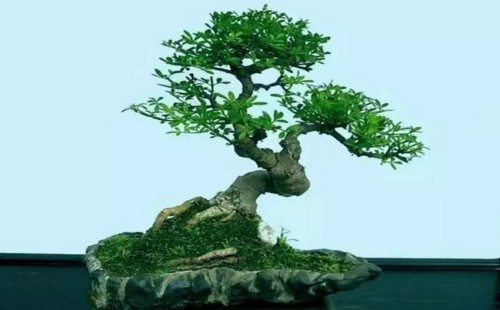
Timely and scientifically defoliating bonsai trees can prompt the trees to sprout more tender leaves, keeping the bonsai always full of fresh vitality, and the leaf shape also becomes more refined and beautiful. But defoliation also requires mastering the methods and techniques involved, and it is not something that can be done arbitrarily anytime and anywhere, because blind defoliation not only fails to achieve the effect we need, but may also affect the normal growth of the tree, and even cause the plant to wither, especially for bonsai seedlings, which should be treated with even more caution.
I. Defoliate according to tree species
There are very many kinds of bonsai trees, but not all trees are suitable for defoliation. Generally, trees with tenacious vitality, strong sprouting ability, and tolerance for pruning are relatively suitable for defoliation, such as elm (Ulmus) and yellow vitex (Vitex negundo), which easily sprout tender leaves after defoliation, and the new leaves look even better. And for trees with relatively large leaves such as pomegranate (Punica granatum) and Chinese hackberry (Celtis sinensis), defoliation is often needed to achieve the effect of smaller and more compact leaves, thereby improving the overall ornamental quality of the bonsai. As for pine bonsai, the true needles can generally also be appropriately plucked to make the needles shorter, more refined, and more compact, which likewise can greatly improve the ornamental value of the bonsai.
II. The timing of defoliation must be correct
For different bonsai trees, the defoliation methods and frequency are often not the same. Defoliation also requires choosing an appropriate time, and cannot be done blindly anytime and anywhere. Generally, it is not advisable to defoliate in summer, especially for tree species whose growing season is in summer, because summer is exactly when they store nutrients, and defoliating at this time will reduce photosynthesis and reduce nutrient synthesis. Moreover, summer temperatures are also very high, and defoliation will affect the transpiration effect of the leaves. Besides summer, the plum rain season is generally also not suitable for defoliation, especially for weaker-growing bonsai, as it often causes bacterial infection and mildew, bringing a risk of death to the tree.
III. Defoliation requires mastering techniques
Defoliating bonsai trees is not simply a matter of plucking off some leaves, but requires us to make plans and take relevant measures in advance. Generally, about half a month before defoliation is planned, the bonsai needs to be given an extra round of fertilizer to ensure the tree has enough nutrients to sprout new buds. And during the defoliation process, we also need to do it selectively and in a targeted way, usually choosing those robust branches with very stable growth for defoliation. For weaker-growing branches, defoliation is often not suitable, and at least fewer leaves should be removed. Also, during defoliation, generally do not pluck the leaves off with your hands, because plucking by hand easily injures the axillary buds; use scissors to cut off the leaves more often, while leaving the petiole on the branch.
IV. Defoliation frequency must be well controlled
Defoliating bonsai trees requires not only choosing good timing, but also deciding the defoliation frequency or number of times according to the tree's growth state. For robust-growing and already formed trees, the whole plant can generally be defoliated 1-2 times a year, and all the leaves can even be removed; for trees that maintain good growth but are not yet formed, defoliation can generally be done once a year, and only part of the relatively more luxuriant leaves should be selected for removal. However, if it is a bonsai tree that needs to thicken, gain strength, and is not yet formed, defoliation is generally not allowed, otherwise it may not only affect its formation but also affect its growth.
In short, scientifically defoliating bonsai trees can not only promote the sprouting of new buds, but also make the new leaves smaller and more refined, and the whole plant shape appears more compact and full of layering. But we must grasp the timing of defoliation, master scientific methods, and not proceed blindly, otherwise it may backfire.