-
How to cultivate water-saving sugarcane in winter and spring
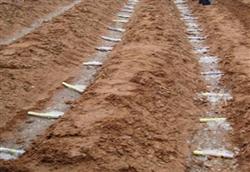
Paddy field sugarcane is one of the important types of sugarcane cultivation in Yunnan. In many sugarcane-growing areas of our province, soil erosion is severe, and the construction of farmland water conservancy facilities is relatively lagging. In addition, the winter and spring seasons are dry with little rain, and paddy fields lack water. Apart from some fields that can plant sugarcane according to the seasonal requirements, most water-deficient fields are planted relatively late, from the end of April to...
-
Spring Corn Stubble Transplanting Soybean Cultivation Technique
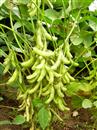
I. Characteristics and Traits Soybean prefers warmth; seeds begin to germinate at 10-12°C, with 15-20°C being optimal; the optimal growth temperature is 20-25°C; the optimal temperature during flowering and pod-setting is 20-28°C. At low temperatures, pod-setting is delayed, and below 14°C flowering cannot occur; if the temperature is too high, the plant ends growth prematurely. Seed germination requires relatively more water; during the flowering period...
-
Detailed Explanation of Spring Soybean Cultivation Techniques and Management Points
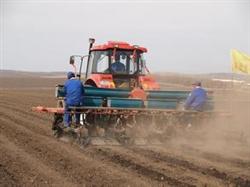
I. Precipitation and temperature conditions from last winter to this spring. In the autumn and winter of last year, the northeast region suffered severe drought, with precipitation lower than normal and insufficient soil moisture. From January to October 2007, the average precipitation in Heilongjiang Province was 402 mm, 20% less than the same period in previous years. In addition, the widespread "dry sealing of the soil" at the onset of winter this year is not conducive to soil moisture retention...
-
Spring lodging prevention in wheat: these management techniques you need to master
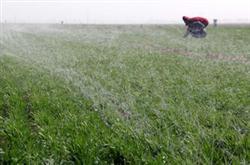
Water and fertilize well at the standing-up and jointing stages. Applying nitrogen fertilizer during the standing-up and jointing stages of wheat can both significantly increase protein content and is a key period for raising wheat yield. Therefore, the standing-up and jointing fertilizer and water should be applied according to local conditions. Wheat grain yield and protein content depend to a large extent on the nitrogen supply level during the development period. At every 66... ⟧3⟧ 1. Spraying paclobutrazol: At the standing-up stage of wheat, spray 30 kg of 200 ppm paclobutrazol solution per mu. This can dwarf the plants, enhance lodging resistance, and also control wheat powdery mildew and improve the plant's absorption and utilization rate of nitrogen.
-
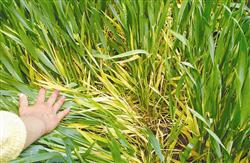
Control methods for common pests and diseases of wheat in spring
Spring is a critical period for wheat growth and also a time when diseases and insect pests occur frequently. Therefore, spring management of wheat should pay attention to the prevention and control of pests and diseases. Below are several common wheat pests and diseases in spring and their control methods: Wheat rust and powdery mildew: in areas where the disease is severe and obvious disease centers have formed, spray pesticide promptly,...
-
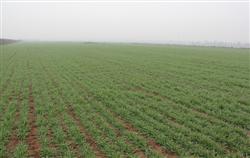
Spring management of wheat focuses on fertilizer and water; fertilization and irrigation must keep pace.
Generally carry out compaction and hoeing, and harrowing when the soil surface is frozen. Harrowing or compaction can break up clods, settle the soil, raise and conserve soil moisture, draw on deep water, and promote root growth and tillering. Through compaction, capillaries form in the soil, and deep soil moisture rises along the capillaries to the upper soil layer, which helps nourish root growth. Early-spring hoeing and harrowing...
-
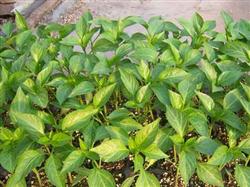
Detailed Explanation of Key Techniques for Spring Sowing and Seedling Raising of Peppers
(1) Preparation of the sunny seedbed: Choose a plot with fertile soil, sheltered from the wind and facing the sun, where eggplants and tomatoes have not been planted in the previous crop, and build a sunny seedbed. For each mu planted, raise seedlings with a seeding rate of 150 grams, and the sunny seedbed should be more than 10 square meters. Apply sufficient base fertilizer, irrigate heavily to build up soil moisture, and use a small amount of urea, phosphate fertilizer and active potassium fertilizer. Because the sunny seedbed...
-
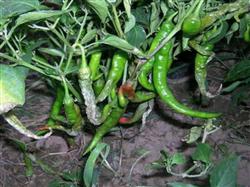
Key Field Management Techniques for Spring-Planted Peppers
In open fields, this disease is mainly of the leaf rot type, while in protected cultivation it is mainly of the root rot type. In protected cultivation, pepper Phytophthora blight mostly invades from the root crown, and the diseased part is dark brown. Sunken or shrunken, the lesion can encircle the stem and cause root death, and the plant wilts. In greenhouses, the pathogen is mainly spread by irrigation water, and disease centers mostly form in low-lying, waterlogged, and soil...
-
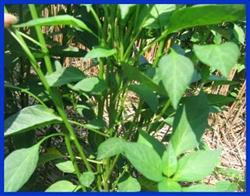
High-Yield Cultivation Techniques for Greenhouse Peppers Across Spring, Summer, and Autumn
At present, the main problem in production is that early spring cropping dominates, while after the greenhouse film is removed in summer, autumn delayed production is relatively limited. After summer, as open-field vegetables reach the market, management is relaxed, and late-season pepper yields are relatively low. To maximize the production role of greenhouse facilities, the author guided farmers to carry out a single large cropping cycle of greenhouse peppers across spring, summer, and autumn...
-
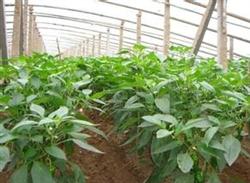
Four cultivation models based mainly on spring radish and chili pepper
Winter-spring chili pepper is currently the most important production season for chili pepper cultivation in solar greenhouses. Generally planted in mid-November, it can be harvested and marketed in early January of the following year, continuing until the next summer. The main cultivation techniques are explained as follows: 1. Build a greenhouse. For new energy-saving solar greenhouses, the structure and environment of the original solar greenhouse...
条件筛选