Control methods for common pests and diseases of wheat in spring
Spring is a critical period for wheat growth and also a time when diseases and insect pests occur frequently. Therefore, spring management of wheat should pay attention to the prevention and control of pests and diseases. Below are several common wheat pests and diseases in spring and their control methods: Wheat rust and powdery mildew: in areas where the disease is severe and obvious disease centers have formed, spray pesticide promptly,...
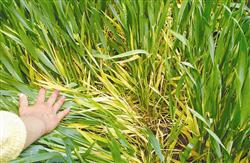
Spring is a critical period for wheat growth and also a time when diseases and insect pests occur frequently. Therefore, spring management of wheat should pay attention to the prevention and control of pests and diseases. Below are several common wheat pests and diseases in spring and their control methods:
Wheat rust and powdery mildew: in areas where the disease is severe and obvious disease centers have formed, spray pesticide promptly to control its spread. Use 40-50 g of 15% triadimefon per mu, add 10-12 kg of water, and spray with a motorized sprayer. The spraying range should include wheat leaves within 2-4 m around the area. If spraying is relatively late, the dosage per mu can be increased to 60-70 g.
Wheat scab: after the disease occurs, emergency control should be carried out. Use 25 g of 80% carbendazim micro-powder or 50 g of 40% carbendazim suspension concentrate per mu. Spray once at the flowering stage; in case of continuous rainy weather, spray once more.
Wheat aphids: when the number of wheat aphids exceeds 500 per 100 spikes and the ratio of beneficial insects to wheat aphids exceeds 1 to 100, use 10 g of 10% imidacloprid per mu, add 10 kg of water, and spray. It is harmless to natural enemies. Alternatively, 40% omethoate can be used, 30 mL per mu plus 10 kg of water for spraying.
Wheat spiders: wheat spiders mostly rest near the wheat roots during the day. Watering after 9 a.m. can drown them. When an investigation finds more than 200 wheat spiders in a 33 cm double row, 80% dichlorvos can be used, 10-20 mL per mu plus 10 kg of water for spraying. Acaricides such as saomanjing and hongbaimanma can also be mixed with water and sprayed.
Wheat blossom midge: blossom midges usually live in the soil and come out for a short time to damage wheat spikes. In late April, 50% phoxim or 40% methyl parathion can be used, 250 g per mu made into poisoned sand, and the control effect can reach about 90%.