-
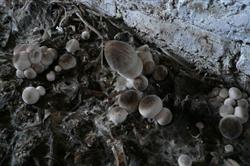
Straw Mushroom Summer Planting Methods and Technical Key Points
How to grow straw mushrooms in summer? Here are the methods. The straw mushroom is a high-temperature type of mushroom, suitable for cultivation in summer. Its flesh is tender and young, its taste is delicious, and its nutritional value is high, containing abundant protein, carbohydrates, vitamins, and so on. Among the many edible fungi, the straw mushroom has the simplest cultivation method, the shortest production cycle (around 20 days...
-
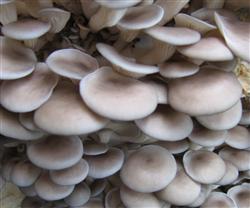
Oyster Mushroom Summer Cultivation Methods and Key Technical Points
How to cultivate oyster mushrooms in summer? Please note that oyster mushrooms are generally cultivated in autumn and winter, and are mainly sold fresh, but the selling price of autumn and winter cultivation is greatly affected by the market. Generally, when fresh mushrooms flood the market in autumn and winter, their selling price is low, while in summer there are fewer fresh mushrooms on the market and the price is higher. Because summer is hot and humid, the requirements for cultivation techniques are...
-
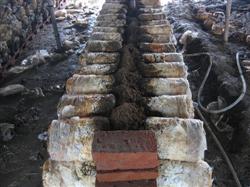
What are the methods for preventing and controlling pests and diseases of oyster mushrooms in summer?
How do you prevent and control pests and diseases of oyster mushrooms in summer? Please describe the methods. The following methods can be used to prevent and control pests and diseases when cultivating oyster mushrooms in summer: 1. Site disinfection. Spray the entire cultivation site with dichlorvos for disinfection, spread a layer of quicklime on the ground, and nail window screens over windows and ventilation holes to prevent pests from entering. 2. Substrate...
-
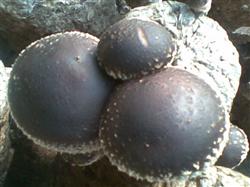
What are the control methods for mushroom death in summer for oyster mushrooms?
How to prevent and control mushroom death when cultivating oyster mushrooms in summer? Please introduce the methods. When cultivating oyster mushrooms in bags in summer, sometimes a large number of small mushrooms die after fruiting. The main reasons are the following four points, and preventive measures should be taken early. Excessive temperature: After the primordia of oyster mushrooms form, if high temperature (above 30°C) continues, the caps...
-
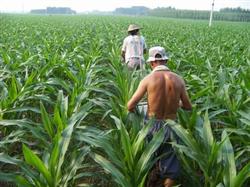
How to Apply Jointing Fertilizer to Summer Corn? Fertilization Methods and Key Points Explained
How to apply jointing fertilizer to summer corn? When is the best time to apply jointing fertilizer for good results? Please provide guidance. Summer corn generally reaches the jointing stage 18 to 21 days after emergence. The signs of entering the jointing stage, from the external morphology, are as follows: for early-maturing varieties, such as Ludan 50, Yedan 20 and Denghai 9 corn, 4 to 5 leaves are unfolded and 7 to 10 leaves are visible;...
-
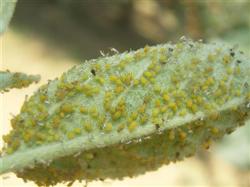
What are the common pests of camellias? Detailed control methods
What pests of camellias need to be controlled? Here is a detailed introduction. Camellias have the following pests that need to be controlled: Aphids [Appearance and damage] Aphids are divided into two types: winged aphids and wingless aphids. The winged viviparous female aphid has transparent wings and a dark brown body; the wingless viviparous female aphid has no wings and a dark brown body. In addition, the nymph resembles the adult in appearance, has no wings, and is light yellow. Adults and nymphs gather on the young shoots of camellias to suck sap, causing the buds and leaves of the affected camellias to shrivel and severely affecting growth. The excrement of aphids can cause sooty mold.
-
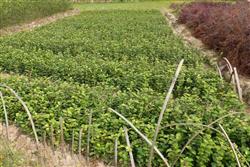
How to Take Camellia Cuttings in Spring: Detailed Methods and Steps
How do you take camellia cuttings in spring? Here is an introduction to the method. The best time for taking camellia cuttings is from early April to May. Choose current-year, semi-lignified, brown branches and cut them into 10 cm to 15 cm cuttings with 3 buds, cutting at the point just below a basal node. Keep 1 to 2 leaves on each cutting. After cutting, immediately place the base...
-
What are the seed-scion grafting methods for potted camellias?
How do you graft potted camellias using seed scions? Here is an introduction. For seed-scion grafting of potted camellias, you can refer to the following methods: 1. Sprout the seeds and cut the scion: first sprout the seeds. When the seed sprouts emerge above the surface of the sand bed, grafting can begin. Take the sprouted seeds, rinse them clean, and use a grafting knife to cut off the root end, keeping a length of 6-9 cm...
-
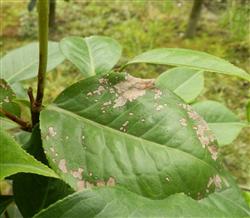
Control Methods for Camellia Twig Blight and Flower Rot
How to control camellia twig blight and flower rot? Please provide an introduction to the methods. To control camellia twig blight and flower rot, you can refer to the following methods: Twig blight is caused by pathogenic fungi infecting the young or old twigs of camellias. The affected twigs become necrotic, the leaves change from green to pale yellow, gradually dry up and fall off from the top downward, and finally the entire...
-
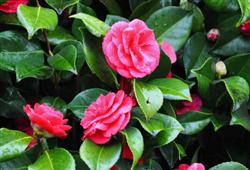
Common Pests and Diseases of Camellias and Their Control Methods
Which pests and diseases of camellias need to be controlled? The pests of camellias include aphids, scale insects, red spider mites, rust mites, and leaf-rolling moths. Except for rust mites, they can be controlled with ordinary insecticides. The most serious are rust mites and mite pests, which are powdery white, very small, and hard to spot, attacking specifically the young leaves and tender shoots of camellias, causing the undersides of the leaves to turn yellow as if rusted, twisting the leaves, and preventing new shoots from growing...
条件筛选