-
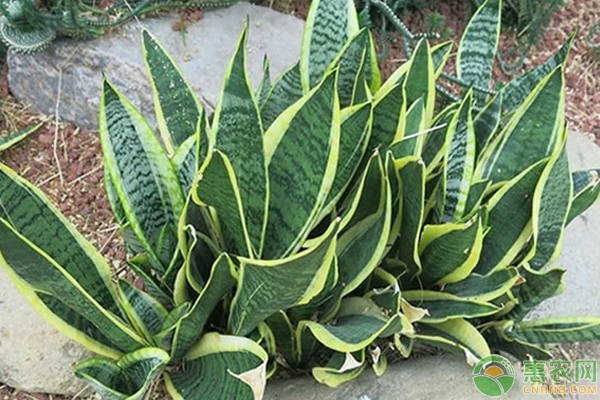
A Detailed Guide to Snake Plant Propagation Methods and Cultivation Techniques
Snake Plant is also known as Sansevieria and Tiger's Tail. It is a perennial succulent herb of the Asparagaceae family, with creeping rhizomes underground; from the rhizomes arise clustered, upright, sword-shaped leaves bearing white, greyish-white or white-and-green banded markings, resembling an upright tiger skin
-
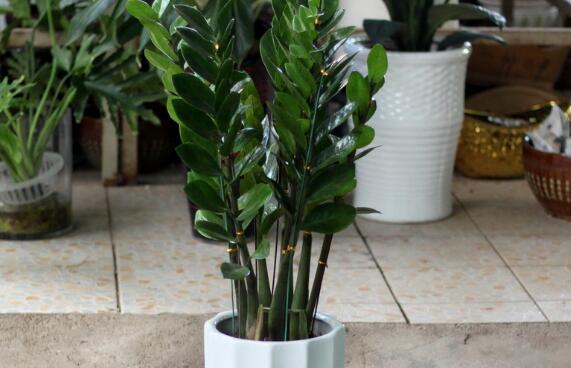
Methods for controlling stem rot and southern blight in the ZZ plant
How do you care for a ZZ plant? Here's a book for you, "868 Top Flower-Growing Tips," and you'll never worry about failing to grow a ZZ plant again! How to get this book
-

Gardenia Anthracnose: Control Methods and Detailed Introduction to Treatment Fungicides
[Symptoms] This disease mainly affects the leaves of gardenia. It starts at the leaf tips and leaf margins, forming irregular or nearly circular brown lesions. Sometimes the entire leaf turns brown, and in severe cases it causes branch dieback or death of the whole plant. The disease mostly starts on the lower leaves of the plant. Under humid conditions
-
Crabapple (Malus spectabilis) Cultivation Techniques, Varieties and Propagation Methods
Crabapple, also known as Haitang or Pear-blossom Crabapple, is a deciduous small tree in the rose family (Rosaceae). It can reach 7-8 m in height. The flowers are usually clustered several together; the buds are red, turning pink when fully open, very showy, 4-5 cm in diameter. The flowering period is April to May. Crabapple originates from China. Zhejiang, Hebei, Shaanxi, Shandong
-

What are the care methods and tips for the Radermachera sinica?
Also known as pepper tree, Jiegu Liangshan, and mountain Radermachera. Trade names: Radermachera sinica, Kirin trumpet creeper. Native to valleys or open sparse woodlands at 300-850 m in Taiwan, China, Hainan, Yunnan, Guizhou, Guangdong, and Guangxi. A tree with bipinnate compound leaves, leaflets ovate, 4-7 cm long, apex caudate-acuminate
-
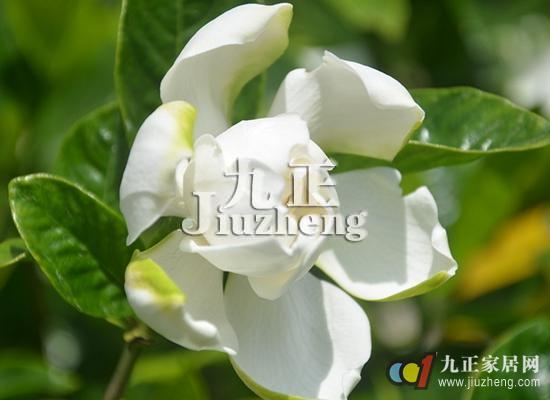
How to Propagate Gardenia? A Few Common Methods
Gardenia can be propagated by seed sowing, cuttings, layering, division, and grafting. Cuttings, layering, and division are the methods most commonly used. (1) Hardwood cuttings: After the plant goes dormant in autumn, use hardwood cuttings for propagation. Cut mature branches 10-12 cm long as cuttings, keep 3 leaves at the top
-
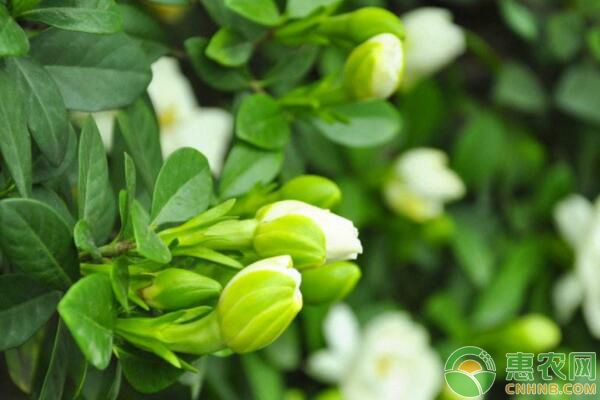
Detailed Guide to Gardenia Cultivation Methods and Care Techniques
Gardenia potting should preferably be done around April. The soil should be a fertile, loose, well-draining, slightly acidic soil, ideally leaf mold mixed with mountain soil, plus a small amount of cake fertilizer and bone meal as a base fertilizer. When transplanting seedlings, it is best to keep the root ball intact. After planting, water thoroughly, place in a shaded spot for about 10 days, then move to a sunny spot and switch to normal care.
-
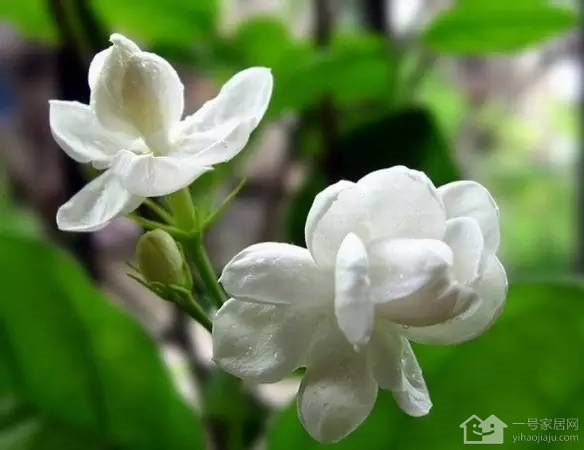
Main Pests and Diseases of Jasmine and Their Control Methods
The main diseases of jasmine are southern blight, violet root rot, and branch blight; the pests include scale insects, stem borers, red spider mites, flower bud borers, jasmine leaf borers, and others. The control methods are as follows: 1. Southern blight (1) This disease occurs easily under high temperature and high humidity conditions, so a site with good ventilation, light, and drainage should be chosen, and attention should be paid to drainage during the rainy season.
-
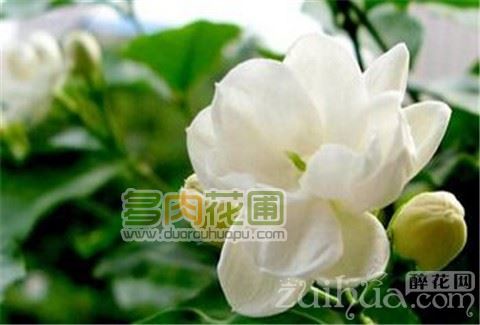
What are the cultivation methods for potted jasmine?
(1) Pot selection: Given the characteristics of jasmine's root system, which requires good permeability and a relatively moist environment, unglazed clay pots should be used for potted jasmine; glazed pots, porcelain pots, etc. can only be used for short-term display planting. There are generally 3 specifications of unglazed clay pots suitable for planting jasmine: diameter 25cm, height 15cm; diameter 30cm
-
Jasmine cultivation methods and solutions for when it only grows branches but does not bloom
(1) Jasmine prefers fertile, loose, well-drained, slightly acidic soil. Generally use 4 parts garden soil, 4 parts compost soil, 2 parts river sand or rice husk ash, plus an appropriate amount of fully decomposed poultry manure, etc. You can also make your own potting soil by placing garden soil and animal and plant materials in a plastic bag in alternating layers of soil and material, adding rice washing water and pressing it down
条件筛选