-

How to care for Dieffenbachia? A complete guide to its care methods
Dieffenbachia, also known as dumb cane and spotted dumb cane, is a perennial evergreen herb in the Araceae family. Its stems are thick and fleshy, and its large, glossy leaves grow on the upper part of the stems. They are oblong or lance-shaped and deep green, dotted with numerous irregular white or pale yellow spots or patches
-
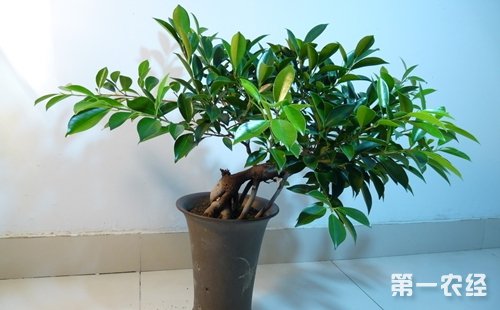
What are the propagation methods for the banyan tree? Explained clearly in one article
It prefers a warm and humid environment. 1. Propagation methods (1) Seed propagation Banyan seeds mostly mature in October, and the seed germination rate is relatively low, reaching a maximum of 40%. The seeds must not be allowed to lose water, so they should be stored in moist sand or sown immediately after collection. Banyan seeds are small seeds
-

How to grow a potted banyan tree? A complete guide to care methods
The banyan tree is also known as the small-leaved banyan or fine-leaved banyan. It has a well-developed root system, sturdy branches, thick and deep green leaves, and stays evergreen in shaded seasons. It is a common foliage plant and bonsai species in China. The main purpose of growing a banyan as a potted plant is to use its soft branches and well-developed aerial roots to shape the tree. According to personal preference
-
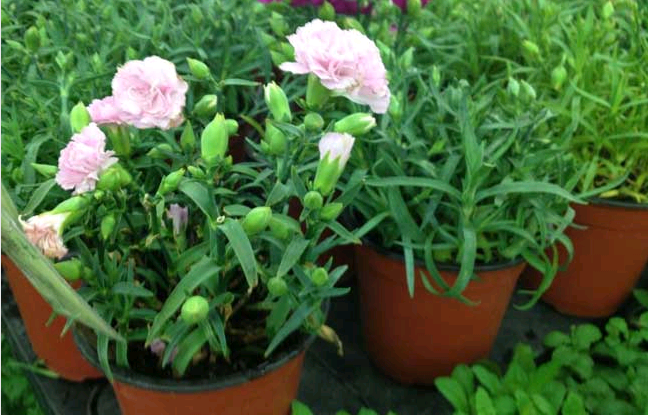
Carnation Propagation Methods and Management Key Points
Carnations are generally propagated by cuttings. Cuttings are taken in early spring. Choose the 3rd to 4th lateral bud on the middle part of the stem as the cutting; shoots sprouting from the root crown are the best. Taking cuttings when flower buds are forming is more suitable. After cutting the slips, they should be inserted immediately. Do this on a cloudy day or in the morning. After the slip is cut, dip the cut base in charcoal powder
-

What are the control methods for anthracnose in gardenia?
[Symptoms] The disease mainly affects the leaves of gardenia. It starts from the leaf tip and leaf margin, forming irregular or nearly circular brown spots. Sometimes the entire leaf turns brown, and in severe cases it causes branch dieback or the death of the whole plant. The disease mostly starts on the lower leaves of the plant. Under humid conditions
-
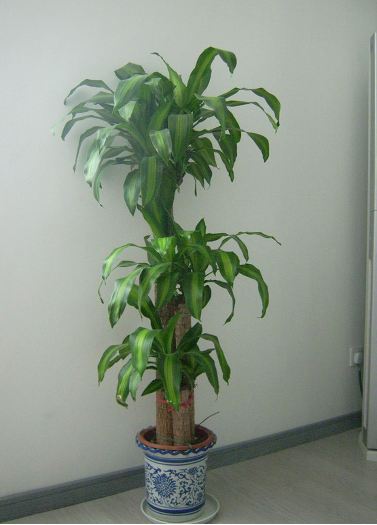
What to Do When a Dracaena fragrans Gets Anthracnose? Detailed Prevention and Control Methods
[Symptoms]It mainly affects the leaves. In the early stage, the spots on the leaves are nearly round to oval, then expand and lengthen, becoming white, greyish-white to reddish-brown, with distinct but irregular edges; in the later stage, small black dots appear on the spots, namely the pathogen's acervuli.
-
Brazilwood (Dracaena fragrans) propagation methods and cultivation techniques
Brazilwood, whose Chinese name is fragrance dragon blood tree (Dracaena fragrans), also known as Brazil iron tree, Brazil millennium tree and golden-edged fragrant dragon blood tree, is a plant of the genus Dracaena in the lily family. It is an evergreen tree with a neat plant shape and upright stems. The leaves are clustered at the top of the stem, 40-90 cm long and 6-10 cm wide, with slightly blunt tips, curved into a bow shape
-
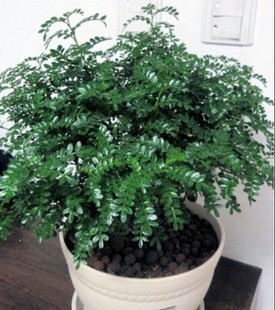
Brazilwood (Dracaena fragrans) Home Care Methods and Precautions
Scientific Name and Family: Brazilwood is also known as Brazilian iron, fragrant dracaena, and thousand-year tree. It belongs to the Agavaceae family, Dracaena genus. It is native to southwestern Africa. Commonly cultivated varieties are classified by different colored stripes on the leaves into mid-stripe, golden-edge, tricolor, rainbow, and silver-line varieties. Currently, the most common one on the market is the mid-stripe fragrant dracaena.
-
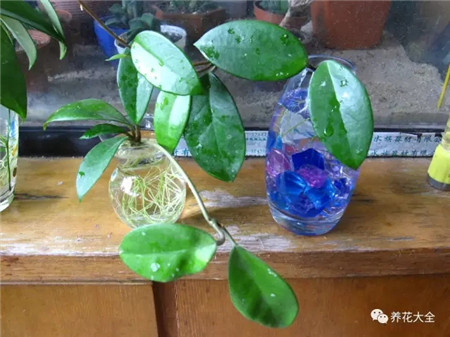
Detailed Guide to Hydroponic Kalanchoe Methods and Care Points
1. Key Points for Selecting Material for Hydroponic Kalanchoe: Choose a soil-grown plant with a good plant shape and cultivate it hydroponically using the root-washing method. It is best to use ceramsite as the substrate, which makes it easy to secure the plant and also helps rooting, so the plant can quickly adapt to the hydroponic environment. You can also select robust growing branches in spring and autumn
-
What to Do When Asparagus Fern Gets Branch Blight? Detailed Control Methods
[Symptoms] It first appears on weak-growing small branches. The lesions are initially thread-like or spindle-shaped, gradually spreading to the upper branches, causing leaf drop. Infected branches gradually turn light brown, and finally pale yellow. In humid conditions, dense small black dots form on the infected branches. [Pathogen and disease pattern] It is a fungal disease.
条件筛选