-

Propagation and Cultivation Methods of Fuchsia
Fuchsia is mainly propagated by cuttings, but can also be propagated by sowing and grafting. Cuttings can be taken year-round, with spring and autumn being the fastest for rooting. The best cuttings are vigorous young shoots from the top of the plant; take shoots 5-8cm long and insert them into a plain sand bed, shade them and keep them moist, with the ideal temperature being 15-20°C
-
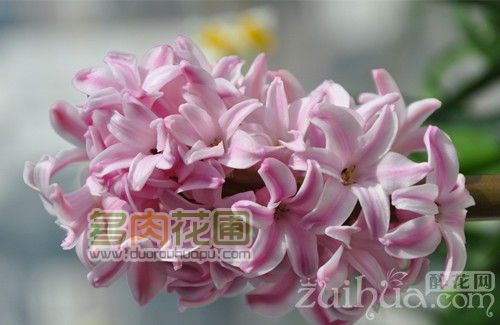
Hyacinth Hydroponic Growing Methods and Step-by-Step Guide
Hyacinth, also known as Dutch hyacinth and five-color hyacinth. Its flowers are colorful and dazzling, with a pleasant fragrance. It is suitable for both pot culture and hydroponics, and has been deeply loved by people in recent years. Hydroponic hyacinths can be started in October to November. A specially made glass bottle should be used, filled with water.
-
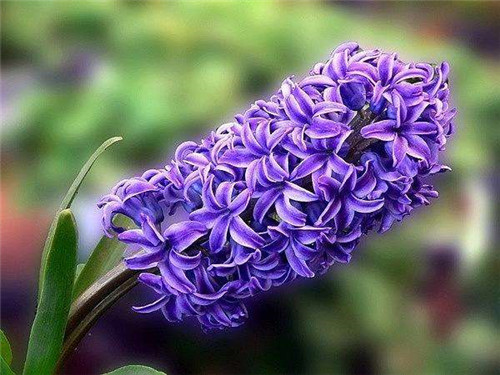
A Detailed Guide to Hyacinth Propagation and Cultivation Methods
Hyacinth, also known as Dutch narcissus or five-color narcissus, is a bulbous flower of the lily family, with a spherical or flattened-spherical bulb covered by a membranous outer skin. The leaves are basal, 4 in number, strap-shaped and lanceolate. The flower stem is fleshy and hollow, with a terminal raceme bearing 5 to 15 flowers or as many as more than 10. The tips of the small flower segments curl outward and backward, and the flower colors are rich
-
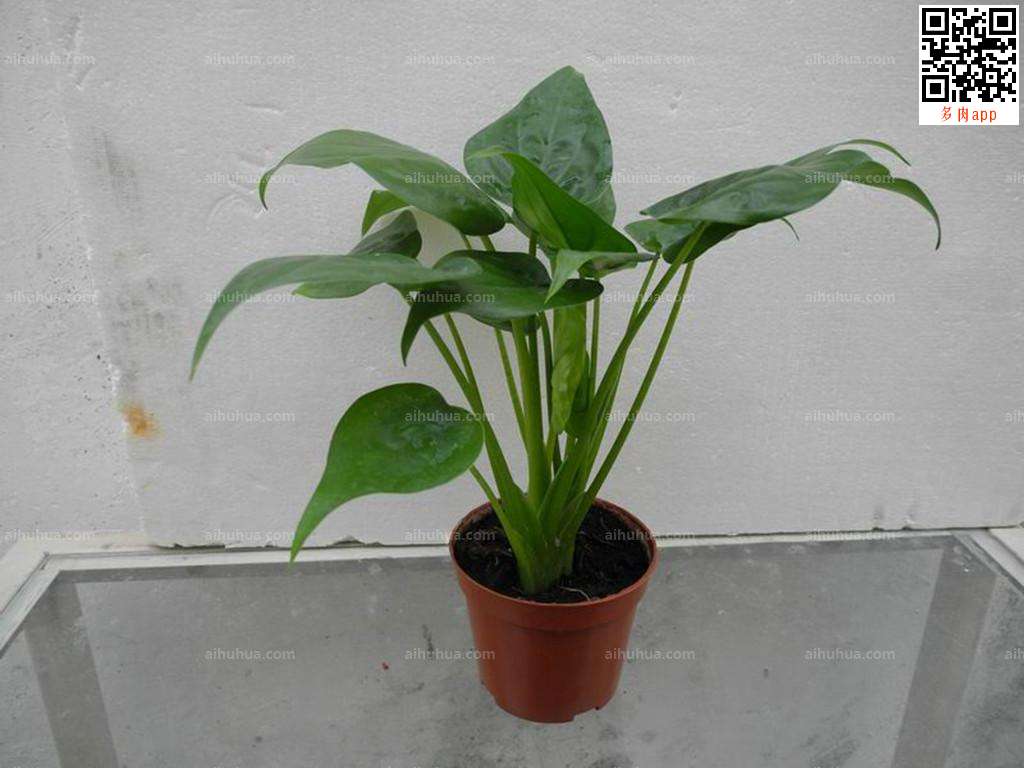
What are the control methods for sunscald disease in Alocasia macrorrhiza?
It occurs everywhere, and the leaves, flowers, stems and fruits of many woody and herbaceous flowers can be affected, hindering their ornamental value. Symptoms: In summer, when plants are exposed to intense sunlight, water-soaked spots appear on the leaf surface, which then rapidly lose water and turn grayish-white. Disease pattern: The longer a plant grows in the shade, the more tender its tissues become; the higher the temperature in sunlight and the longer the exposure, the more severe the disease.
-

What are the control methods for stem rot in carnations?
Stem rot is a devastating disease of carnations. The main affected parts are the lower branches and leaves. The lesions are round, oval and irregular in shape, red-brown, turning dark brown in severe cases and grayish white to gray in the later stages. The diseased leaves do not fall off after drying out. When a lesion on a branch encircles the stem
-
Common Physiological Diseases in Carnation Cultivation and Their Prevention Methods
The main physiological diseases in carnation cultivation include split calyx, bent flower heads and albino leaves. The first two in particular can significantly reduce cut flower quality. (1) Split calyx. Large-flowered varieties are more prone to split calyx than medium-flowered varieties, sometimes with more than 50% of flowers affected
-
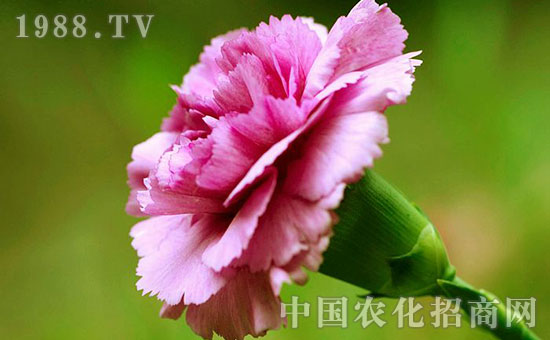
How to prevent and control carnation leaf spot? A detailed guide to practical methods
Carnation leaf spot, also known as branch rot and stem rot, is a worldwide disease that harms carnations most severely, and also harms Dianthus barbatus (sweet William), Dianthus chinensis, Dianthus plumarius, Saponaria officinalis and others. In Shanghai, Hangzhou, Guangzhou, Kunming and southern Jiangsu Province, areas where carnations are propagated are also affected by this disease
-
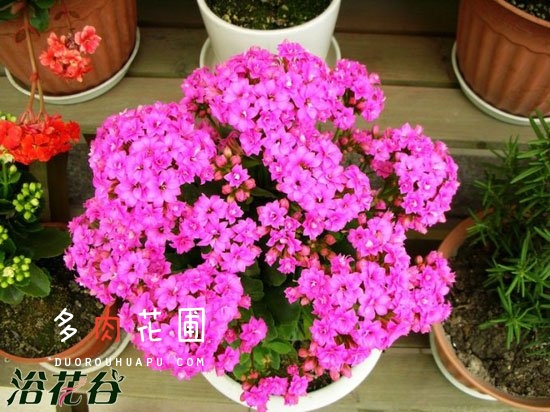
What are the planting methods and techniques for Kalanchoe blossfeldiana?
Kalanchoe blossfeldiana is a succulent plant in the Crassulaceae family, with thick, glossy leaves, a dwarfed, clumping growth habit, and evergreen foliage. It blooms in winter and spring, with a flowering period lasting as long as 4 months. It produces many branches, with each branch bearing several flowers. It is suitable for 12-15 cm pot cultivation. It prefers a warm climate, with an ideal growing temperature of 18-30°C
-
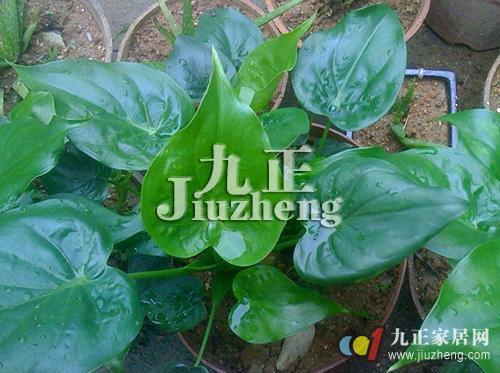
How to care for Alocasia macrorrhizos? Detailed methods and tips
The scientific name of "Dripping Guanyin" is Alocasia macrorrhizos (giant taro). It is native to the tropical rainforests of South Africa. If it is grown in a humid and warm environment, water droplets will drip from the leaf edges, which is why it is called "Dripping Guanyin". When growing Alocasia macrorrhizos, pay attention to the following aspects: (1) Temperature. Alocasia macrorrhizos can only grow well in an environment not lower than 18°C
-
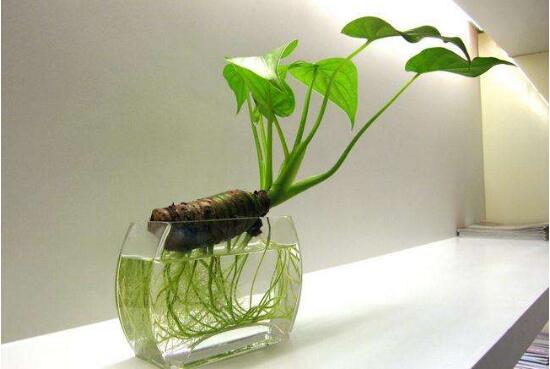
How to grow Alocasia macrorrhizos? These methods you need to master
Alocasia macrorrhizos, also known as giant taro and Guangdong langdu, is a perennial evergreen herbaceous plant of the genus Alocasia in the Araceae family. Its stems are thick and upright, its leaves are emerald green and glossy, its bearing is elegant, it is highly shade-tolerant and easy to cultivate. After being grown as an indoor foliage plant, it quickly became popular and widespread, becoming a new favorite among foliage flowers.
条件筛选