-

Reviving a Dying Pothos, Plus Large-Leaf Pothos Care Methods, Precautions and Cuttings
Pothos likes scattered light and dislikes direct sunlight; it is best to receive 4 hours of scattered light per day. It can safely overwinter at a room temperature above 10°C, and can grow normally at a room temperature above 20°C. It likes a warm, humid environment. In autumn and winter, the amount of watering should be strictly controlled according to room temperature. Before heating starts, temperatures are lower
-

Detailed Guide to Making a Pothos Bonsai: Methods and Techniques
Pothos bonsai can be made in column, hanging and waterfall styles, briefly described below: (1) Column style. Use a small dragon jar, large flower saucer or oil basin filled with soil. In the middle, stand a wooden stick or bamboo pole about 1 m high and 5-6 cm in diameter. A pillar of the house can also be used. Tie palm bark or palm tree bark around the outside of the pole.
-
Common pests and diseases of Clivia and their control methods
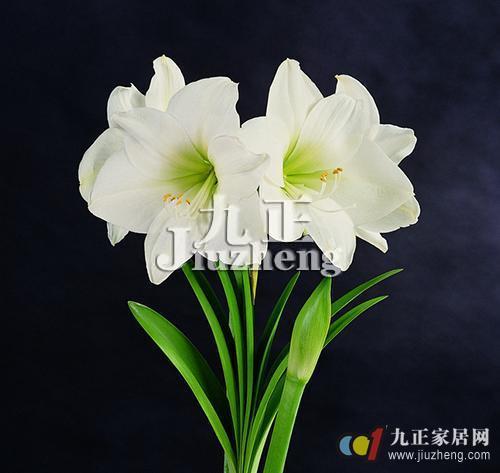
Common diseases of Clivia and their control methods: 1. Soft rot: also known as rot disease, head rot, etc. It mostly occurs on the lower leaves. At first the lesions appear dark green and water-soaked, then they spread and merge into patches. The diseased leaves rot, soften and droop, and the disease spreads to the root system, causing the whole plant to topple over and the central leaves to fall off
-
Symptoms and Control Methods of Physiological Diseases in Money Tree
Diseases caused by improper management in money tree are called physiological diseases, mainly including cold injury and weak, spindly growth. Cold injury: the minimum overwintering temperature for money tree is 8°C; below 8°C, cold injury easily occurs. After being frozen, money tree tends to drop leaves, and in severe cases the whole plant dies. Branches grow weak and spindly
-
Anthurium Leaves Turning Yellow and Aphids: Pest and Disease Control and Remedial Methods
Common diseases of anthurium include anthracnose and root rot. Anthracnose damages young branches and leaves. The infected parts first show small water-soaked spots; the spots are round or nearly round and appear dark brown. Afterwards, the lesions continuously expand, concentric rings appear, and the central part turns light brown or grayish white
-
What are the control methods for anthurium anthracnose?
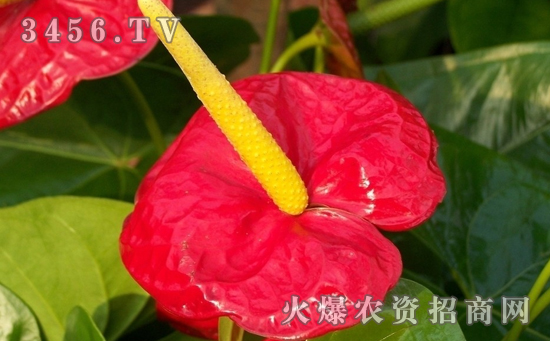
The disease is caused by a semi-knowledge fungal pathogen of the species Colletotrichum gloeosporioides. The pathogen survives the winter as mycelium and acervuli in diseased tissue or in the pot, and spreads through primary and secondary infection by conidia, transmitted and spread by rain splash and the activity of small insects. Usually warm, humid weather and ecological environments easily trigger the occurrence of this disease
-
What are the control methods for Cladosporium leaf mold on Anthurium?
Cladosporium leaf mold on Anthurium is caused by fungi of the class Deuteromycetes. The pathogen overwinters as mycelium or conidia in diseased parts or on the soil surface along with diseased plant debris. It is a weak parasite, mostly a secondary parasite or saprophyte, and often appears on senescent leaves. It spreads relatively quickly in the later stages of plant growth, producing large spots. In production
-
What to Do When Anthurium Leaves Turn Brown and Necrotic? Causes and Control Methods
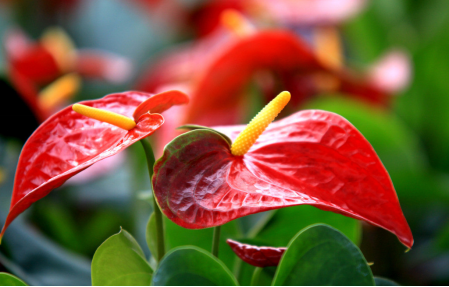
The causes of browning and necrosis of the leaves of small anthurium seedlings may include two possibilities: one is bacterial leaf spot disease. In the early stage of infection, water-soaked irregular brown to dark brown spots appear between the leaf veins, surrounded by yellow halos. In severe cases, the lesions merge into large spots, and the leaves wilt, curl, and hang on the short stems. Check the dead and rotting tissue
-
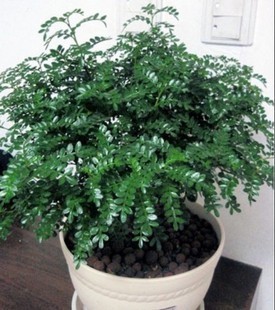
How to grow narcissus? Detailed guide to cultivation methods and precautions
Narcissus, also known as bingxian, yasuan, tiancong, lilan, yulinglong, xuezhonghua, and more. In ancient times, people also named it after legends and stories, such as nüxing, xiangnü, lingbo xianzi, and so on. Narcissus is a perennial bulbous flower with persistent roots belonging to the Amaryllidaceae family, genus Narcissus. The underground bulb is oval and shaped like a garlic head.
-
How to grow gladiolus? Detailed growing methods and precautions
Gladiolus is native to tropical Africa and the Mediterranean region, and is a perennial deciduous bulbous herb. Underground it has a flattened round corm, covered with a brown, firm, fibrous membranous skin. The longer it is cultivated, the larger and flatter the corm becomes, with large corms reaching 5-9 cm in diameter. The plant height is 70-150 cm, and the stem is stout and upright
条件筛选