-
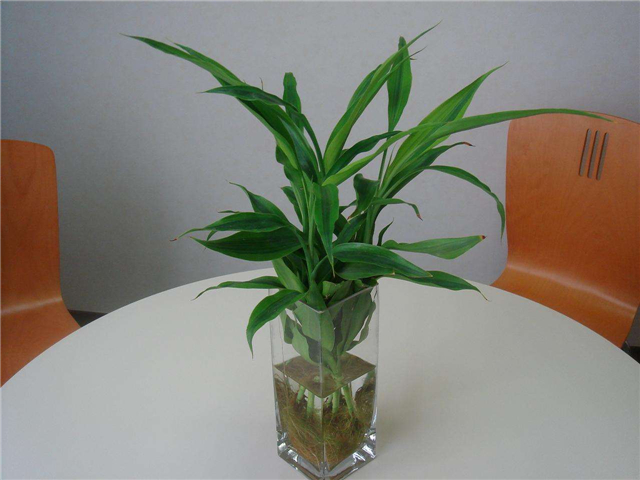
How to grow lucky bamboo? A detailed guide to cultivation methods and techniques
Lucky bamboo was originally grown as cut foliage, used as an accompaniment in flower arrangements. Nowadays it is becoming more and more popular as a potted plant and in water culture, and because its name is very auspicious, it sells well on the market. Lucky bamboo stays evergreen all year round, its stems and leaves closely resemble emerald bamboo, elegant and upright, refined and unworldly; as a small potted plant it is suitable for placing in a study, living room and other such places
-

How to Grow a Rubber Plant? A Complete Guide to Care Methods and Tips
The rubber plant (Ficus elastica) is native to India and Malaysia, and is now widely cultivated across our country. It likes a warm, humid, sunny environment, tolerates slight shade, and is not cold-hardy. It requires fertile, loose soil and grows well in neutral or slightly acidic soil. When potting
-

Rubber Plant Propagation Methods and Key Cultivation Techniques
The rubber plant, also known as Indian rubber tree or gum fig, is an evergreen tree of the genus Ficus in the mulberry family. It is tall and robust, reaching a height of up to 30 m. Its leaves are large, oval, leathery and glossy, densely arranged in an alternate pattern. Because the leaf stalks are slender, the leaves droop slightly, which is why it is also called the weeping rubber plant. Common varieties include: golden-edged rubber plant
-
A Detailed Guide to Rubber Plant Propagation and Cultivation Methods
Rubber plants are generally propagated by cuttings and layering. For cuttings taken during the spring and summer growing season, sturdy two-year-old branches from the middle and upper parts of the plant should be chosen as cuttings. For autumn cuttings, select lignified branches of the current year as cuttings. As long as the bed temperature during rooting can be kept above 15°C, there is no restriction on when to take cuttings. Besides rooting in a cutting bed, water propagation can also be used.
-
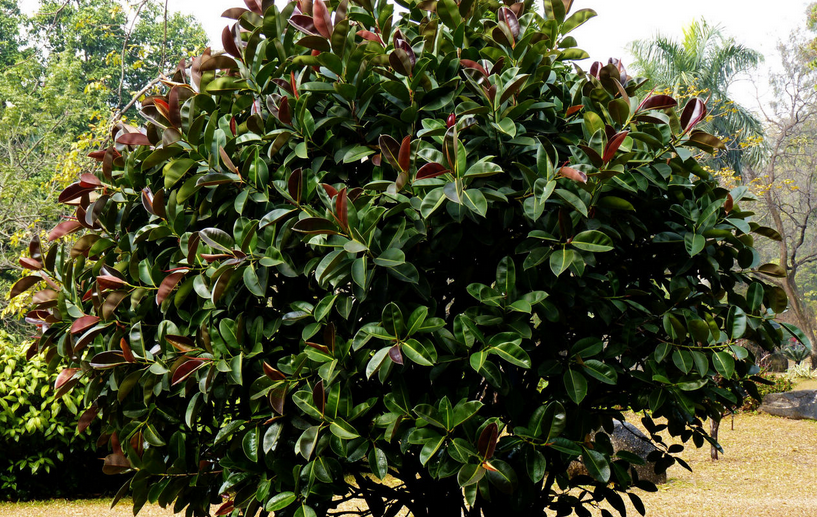
Rubber Plant Cutting Propagation Methods and Steps
Rubber plants can only survive cutting propagation in a high-temperature environment, and the soil temperature should be kept constant and stable. The survival rate is highest when cuttings are taken from late May to mid-June. Young tender shoots tend to rot after cutting, while old branches are slow to form callus tissue and difficult to root.
-
What are the propagation methods for the rubber tree?
The rubber tree is mostly propagated by cuttings. Cuttings can be taken in summer in conjunction with pruning, and the cuttings are best taken from two-year-old, semi-lignified middle branches. The most suitable temperature for rooting is a daytime maximum of about 30°C and around 15°C at night. Roots form in about 20 days after cuttings are taken, and the survival rate can reach over 90%.
-
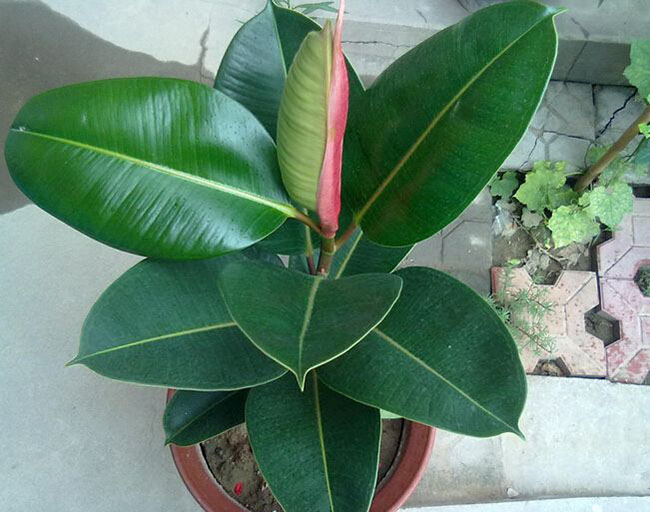
How to propagate the rubber plant? A detailed guide to air layering and cutting propagation methods
Air layering, also known as high-pressure layering or aerial layering, is a method of propagation by layering. Besides the rubber plant, flowers such as white michelia (Michelia alba), Aglaia odorata, Chinese rose, rhododendron, camellia, Schefflera octophylla, weeping fig, Cordyline fruticosa and croton can all be propagated by air layering.
-
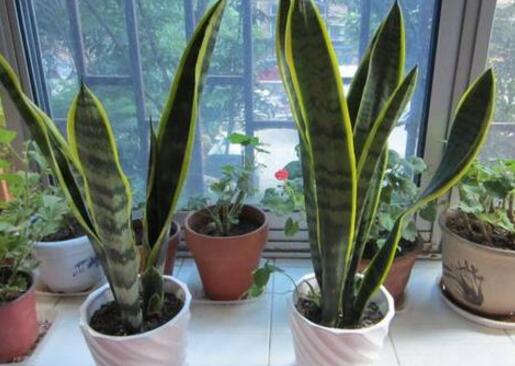
How to propagate snake plants? Introduction to several common methods
For propagating snake plants (Sansevieria) in small quantities, division can be used. Its underground rhizomes are thick and branch strongly, and after the terminal bud on each branch sprouts, it can send up new leaves. When dividing, first take the plant out of the pot, shake off the soil, find the rhizome beneath each cluster of leaves, cut it off with pruning shears, and plant it separately; all will survive.
-
How to care for a snake plant? A few practical care methods to share
Snake plant, also known as tiger ear plant, thousand-year plant, and tiger tail sansevieria, is a perennial evergreen plant of the Agavaceae family. It stays green all year round, with upright leaves that stand straight up, making it suitable for decorating rest spaces such as living rooms and studies, and it is very popular among older gardening enthusiasts. The linear leaves have horizontal banded markings of alternating white and dark green on both sides, resembling the stripes of a tiger's tail
-
What are the spring propagation methods for snake plants?
Snake plants are mostly propagated by division and by leaf cuttings. (1) Division: For home growers, division is best done in early spring when repotting. The underground part of a snake plant is a creeping rhizome, and every spring multiple small buds sprout from the nodes of the rhizome, making the plant grow fuller and fuller.
条件筛选