-
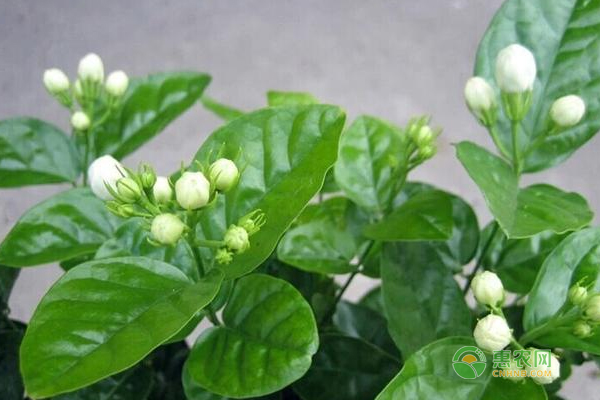
What are the propagation methods for jasmine?
Jasmine is very easy to propagate, and cuttings are generally the most common method; either old or young branches can be used for cuttings. As long as you choose firm, robust branches with deep green leaves and no pests or diseases as cuttings, they can be rooted at any time when the temperature is above 20°C. April to June is the most suitable period. Cuttings taken in
-

How to prevent and treat tulip blight? A detailed guide to practical methods
Tulip blight first infects the leaves in the early stages of the disease, with small brown lesions, then infects the petals, and in severe cases also infects the underground bulbs, causing the bulbs to turn yellow and dry up, leading to the death of the whole plant. In diseased plants whose bulbs are not infected, the lesions on the leaves and flower stems also continue to expand, causing the leaves and flower stems to rot and wither
-
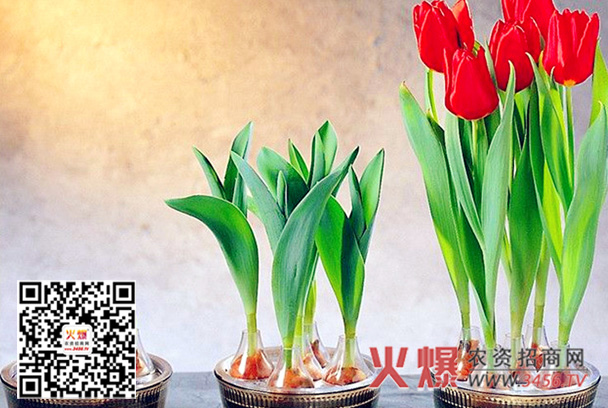
How to Grow Tulips in Water? Methods and Care Tips Explained
Tulips are also very well suited to water culture, especially bulbs that have already undergone cold treatment, since the time from planting to flowering is short. Water-cultured tulips are highly decorative and very easy to set up. (1) Water culture container The diameter of a tulip bulb is about 3-5 cm, so it is best to have a container that is narrow in the middle and wide at both ends
-
Symptoms and Control Methods of Bacterial Leaf Spot in Pothos
[Symptoms] In the early stage of the disease, water-soaked necrotic spots appear on the leaves of pothos, and the lesions gradually turn dark brown. The lesions often bear concentric rings, with yellow edges. Once pothos is infected with bacterial leaf spot, its ornamental value is greatly reduced. [Pathogen and Disease Pattern] It is a bacterial disease, and the pathogen is Pseudomonas cichorii
-
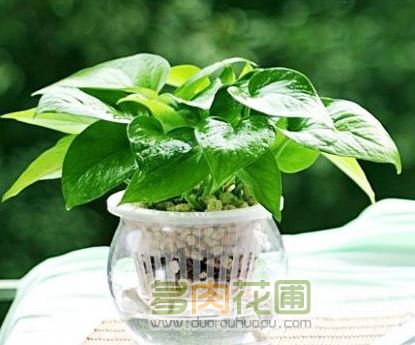
How to Grow Pothos in Water? Detailed Methods and Steps
Pothos (Epipremnum aureum) is an evergreen herbaceous plant in the Araceae family, genus Epipremnum, also known as golden pothos. It is native to the tropical rainforest regions of the Indonesian archipelago. It prefers warm, humid environments, with an optimal growing temperature of 15-25°C, and can safely overwinter above 10°C. It is now widely cultivated in China, easy to grow, and suitable for indoor cultivation and ornamental display.
-
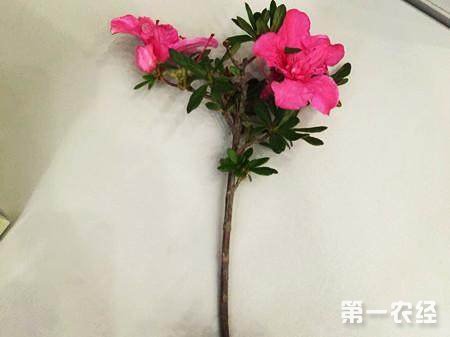
Detailed Explanation of Azalea Cutting Propagation Methods and Techniques
Azaleas are mostly propagated by cuttings. Azalea cuttings can be taken anytime from April to August. The ideal medium is silt from mountain gullies, though river sand can also be used as a substitute. After sifting, sterilize it with 1% potassium permanganate, then put it in a clay pot for later use. Break off a semi-lignified new shoot of the current year by hand, remove the lower leaves, and you have a cutting.
-

What are the propagation and cultivation methods for spider plants?
Spider plants are evergreen perennial herbaceous foliage plants. Their cultivated varieties fall into three types: golden-centered spider plant, silver-edged spider plant, and golden-edged spider plant. Spider plants are mainly propagated by division. Generally, in March to April when they are brought out of the house, division is carried out together with repotting; alternatively, the small plantlets growing on the hanging stems can be planted into pots and they will root
-

How to grow spider plants? A detailed guide to cultivation methods
Spider plant (Chlorophytum comosum) is a perennial evergreen plant of the Liliaceae family. It has well-developed underground rhizomes. The leaves are basal and broadly linear; long runners often emerge from among the leaf clusters, and small plantlets with roots grow at the nodes at the tips of the runners. The flower stems are slender and rise above the leaves, bearing 10-30 white flowers. The flowering period is July-August. The branches and leaves of the spider plant droop
-
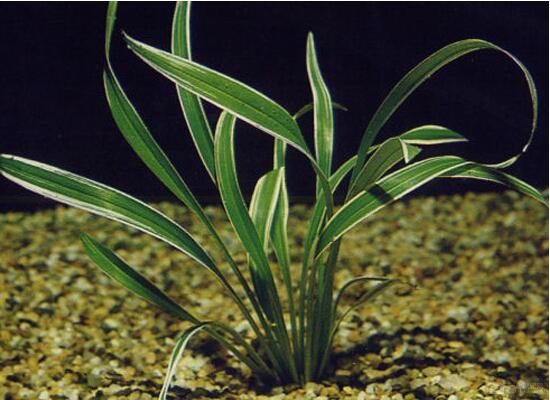
How to Propagate Spider Plants? A Detailed Guide to Several Common Propagation Methods
Spider plants are very easy to propagate, generally by the offset method or the division method. The offset method is not limited by season and can be done indoors in winter, but the survival rate is highest in spring and autumn. From spring to autumn each year, slender, soft, drooping stems emerge from the leaves, and at the tips of the stems or below the nodes, new buds sprout and grow into small plantlets with aerial roots
-

What are the cultivation methods for Phalaenopsis (moth orchid) in northern regions?
Phalaenopsis is a monopodial epiphytic orchid native to the subtropics, and is deeply loved for its beautiful flower shape and brilliant colors. However, because Phalaenopsis has extremely strict requirements for temperature and humidity, its natural cultivation range is limited, which has affected the enthusiasm of many orchid enthusiasts
条件筛选