-
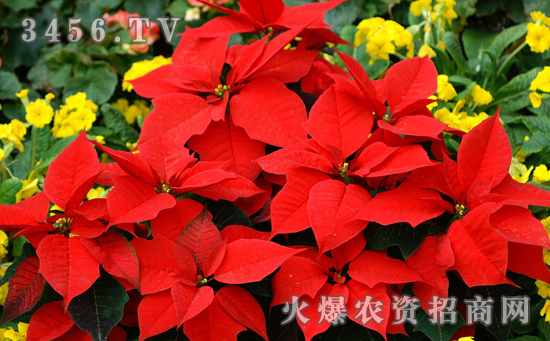
Poinsettia Pest and Disease Types and Control Methods
Common diseases of poinsettia include Pythium rot, gray mold, powdery mildew, and Rhizoctonia, while common pests include whitefly, thrips, spider mites, and fungus gnats. (1) Control of Pythium rot. Keep the potting soil moist, avoiding drying out, overwatering, and excessive salt levels; check the root system regularly, and if the potting soil has dried out,
-
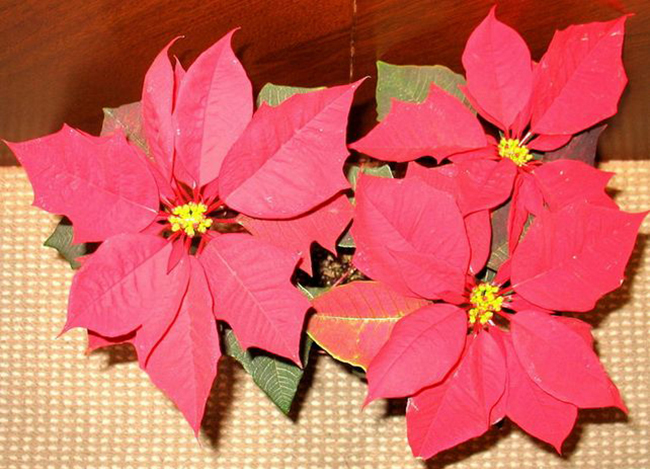
How to Grow Poinsettia? A Detailed Guide to Flowering Period Regulation Methods
Under natural light conditions, poinsettia blooms in November to December. If you want to make it bloom earlier or later, you need to carry out treatment. To advance the flowering period, short-day treatment is mainly used, that is, once the plant is basically or fully formed, cover the plant with a small arched shed plus black film, taking care that the shading is tight
-
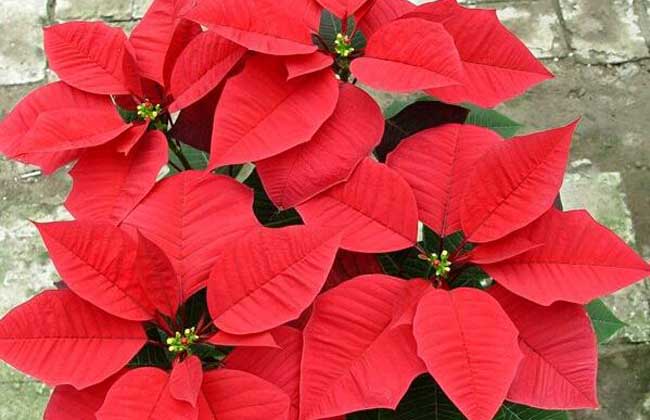
How to Propagate Poinsettia? A Detailed Guide to Common Propagation Methods
It prefers warmth, humidity and ample light. 1. Propagation methods Compared with other flowering plants that reproduce through cuttings, poinsettia is one of the most difficult to propagate by cuttings. The following introduces the important issues and precautions in the poinsettia cutting propagation process.
-
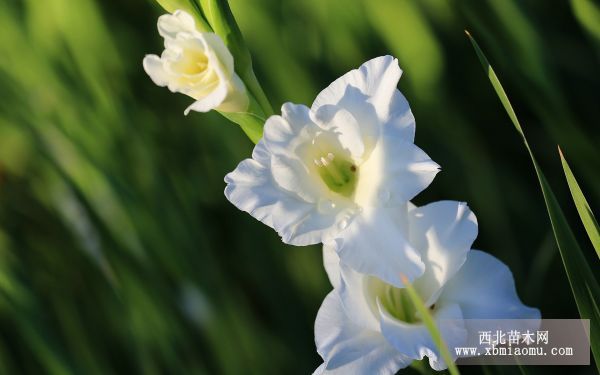
What pests and diseases affect gladiolus? Detailed guide to prevention and control methods
The main pests and diseases of gladiolus include corm rot, fusarium wilt, rust, nematodes and root mites. Prevention and control of corm rot: this is a disease that frequently occurs during corm storage. Initially, light brown slightly sunken and wrinkled lesions appear on the corms, which shrink and become dry and hard, with a blue-green mold layer forming on them. After planting, the plants either fail to sprout or grow abnormally
-
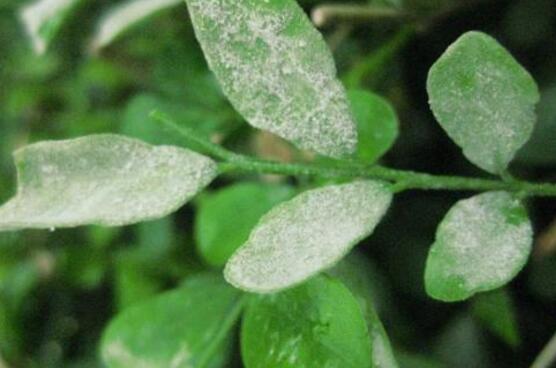
What to Do When Orange Jessamine Gets Leaf Blight? Detailed Control Methods
[Symptoms] The disease occurs on the leaves, mostly starting from the leaf tips and margins, and in severe cases can also spread to the shoot tips and young stems. The lesions first appear as faded green yellow spots, spread rapidly, and soon infect the whole leaf, turning it yellowish-brown. In the later stage, the leaves dry up and are covered with black granular bodies, which are the pycnidia of the pathogen.
-
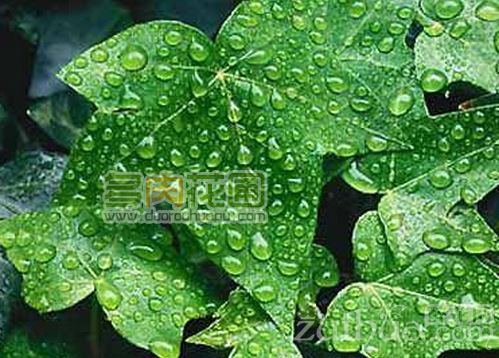
What are the control methods for English ivy leaf spot?
[Symptoms] Large water-soaked brown to dark brown patches form on the leaf margins, often spreading rapidly to 1/3 to 1/2 of the leaf or the entire leaf, and a gray mold layer develops when humidity is high. In some years the outbreak is severe. [Occurrence pattern] It mainly overwinters as sclerotia in diseased plant debris. In spring the sclerotia germinate
-

Gladiolus Propagation Methods, Potted Gladiolus Growing Methods, and Flower Language and Meanings
(1) Division propagation. Bulb division method: After the mother plant blooms, the underground corm shrinks and dries, and multiple cormels form beside or above the mother corm. Plant cormels 2 cm in diameter in a seedbed in spring and cultivate them for 2-3 years to develop into large corms, which can then serve as seed corms. Cutting method: This is the method of cutting the corm and planting it, cutting the seed corm lengthwise
-
A Detailed Guide to the Propagation and Cultivation Methods of Gladiolus
Gladiolus is mainly propagated by corm division, and can also be propagated by cutting the corms, sowing seeds, and tissue culture. The corm has a lifespan of one year and is renewed annually, that is, during the process of leafing out and flowering in the current year, the corm swells at the base of the flower stem to form a new corm, while the original mother corm gradually shrivels and dies, and cormels are produced at the base of the new corm.
-
How Does Maidenhair Fern Reproduce? A Detailed Guide to Spore Propagation and Division Methods
(1) Division propagation. It can be done indoors in all four seasons, but is generally carried out in early spring together with repotting. Take the mother plant out of the pot, cut its rhizome, making sure each piece has some rhizome and leaves, then plant them separately in small pots. Cover the rhizome with mixed soil, water, and place in a shaded, humid environment to cultivate, and new plants will be obtained.
-

Nine-leaved Orange (Murraya paniculata) Bonsai Care Methods and Daily Management Tips
Murraya paniculata is a subtropical tree species, distributed in the southern and southwestern regions of China. It prefers sunny, warm and humid climates, is slightly shade-tolerant, and fears cold. It is suitable for cultivation in deep, fertile, loose, well-drained soil. It has strong sprouting ability and tolerates pruning well. Young branches have obvious axillary buds, and old branches have many adventitious buds.
条件筛选