-
What are the daily care methods for Podocarpus bonsai?
Podocarpus (Podocarpus macrophyllus) stays green all year round, vigorous and elegant, and holds an important place in bonsai art. It is divided into large-leaf, medium-leaf and fine-leaf types; for bonsai, choose the fine-leaf one. When cultivating Podocarpus bonsai, as long as you follow its habits, care is not difficult. [Soil selection] It likes slightly acidic soil
-
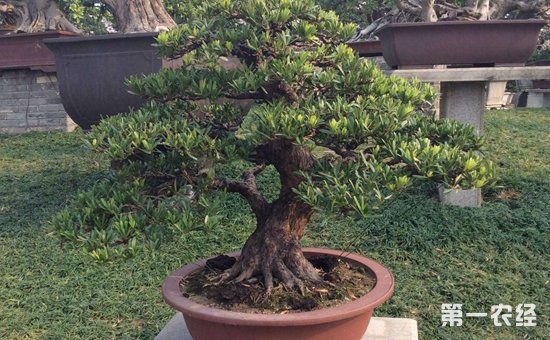
What are the shaping and pruning methods for Podocarpus bonsai?
Podocarpus (Podocarpus macrophyllus) stays evergreen all year round, with narrow and long leaves of deep green color and vigorous yet elegant branches. It has a long lifespan and is one of the commonly used tree species for making bonsai. There are three types: large, medium and small. Among them, the Kusheng Podocarpus (Podocarpus macrophyllus 'Maki') has a graceful tree shape, small leaves and slow growth, and is a precious tree species for making bonsai. The shaping of Podocarpus is mainly done by wiring, with pruning as a supplement.
-
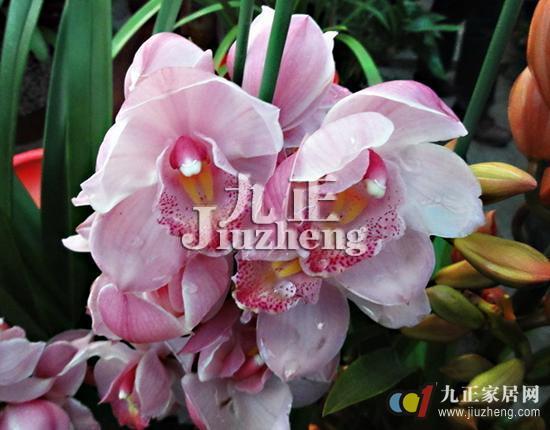
Identification and Control Methods for Common Pests and Diseases of Cymbidium Orchids
The common diseases of Cymbidium orchids mainly include phytophthora disease, soft rot, root rot, anthracnose, leaf blight, sooty mold, and viral disease; the main pests include scale insects and snails. (1) Control of phytophthora disease. Spray with a 500-fold solution of 80% zineb.
-

Symptoms and Control Methods of Southern Blight in Hyacinth and Carnation
[Symptoms] The whole plant wilts, with white mycelial strands or rapeseed-like small tea-brown sclerotia winding around the stem base, and the affected parts turn brown and rot. Large numbers of white mycelial strands and tea-brown sclerotia are visible on the soil surface. The disease occurs at the stem base near the soil surface, causing browning and rotting. When the diseased stem tissue is cut open, tea-brown or dark-brown rot develops from the outside toward the center.
-
Propagation Methods and Cultivation Tips for Pothos
Pothos is native to the tropical regions of the Americas and prefers high temperatures and semi-shaded environments. The ideal growing temperature is 25°C, and the indoor temperature in winter should be kept between 10-15°C, otherwise it will drop its leaves; below 0°C it will freeze and die. Under potted conditions, Douban Green rarely sets seed, so cutting propagation is always used. Because species and varieties differ
-
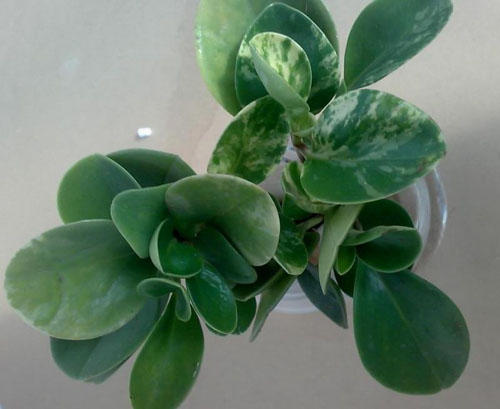
How to Propagate and Cultivate Peperomia? A Detailed Guide to the Methods
Peperomia, also known as radiator plant, is commonly cultivated in varieties such as variegated peperomia and white-leaved peperomia. Peperomia originates from the tropical regions of the Americas and prefers a warm, humid, and semi-shaded environment. The optimal growing temperature is 25-28°C. In winter, the room temperature should be kept between 10-15%, otherwise it will drop its leaves, and below 10°C it will freeze and die
-
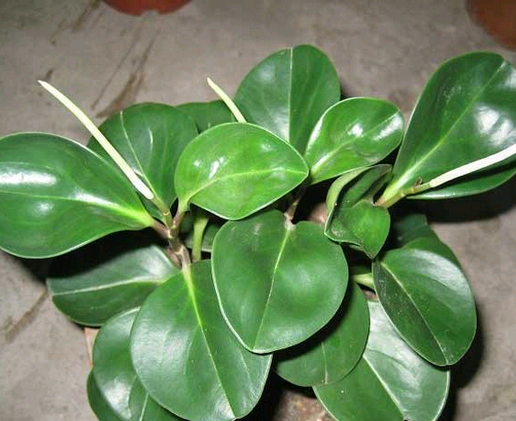
How to Propagate Peperomia? Detailed Introduction to Common Propagation Methods
Peperomia is a shade-loving foliage plant. Besides the green-leaved peperomia, there are also variegated peperomia, red-edged peperomia, tricolor peperomia and other varieties. It is suitable for small and medium-sized potted plants and is an excellent plant for decorating rooms. Propagation is usually done by cuttings and division. Division is best done in April to May when repotting. Stem cuttings
-
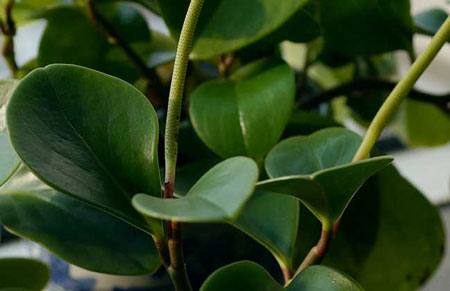
Potted Peperomia obtusifolia: Care Methods and Precautions
Peperomia obtusifolia belongs to the Araliaceae family and the genus Fatsia, and is a perennial evergreen herbaceous plant. The plant grows about 20 cm tall, with round stems that often branch, light green with purplish-brown markings. The leaves are alternate, thick and fleshy, glossy on both sides, oblong-elliptical, with short petioles. The spike inflorescence bears small greenish-white flowers. Horticultural varieties include the variegated Peperomia obtusifolia.
-
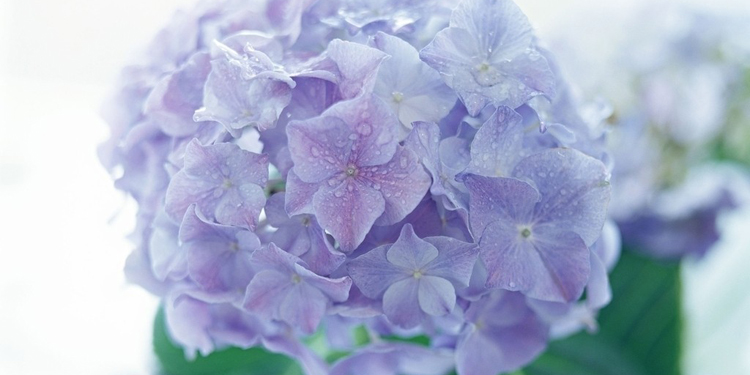
How to propagate hydrangeas? A detailed explanation of common propagation methods
It prefers a warm, humid and semi-shaded environment. It is best grown in fertile, humus-rich, well-drained, slightly clayey soil, with an ideal soil pH of 4.0-4.5. 1. Propagation methods (1) Division propagation is best carried out before sprouting in early spring, and can be done together with repotting by separating the suckering shoots at the roots.
-
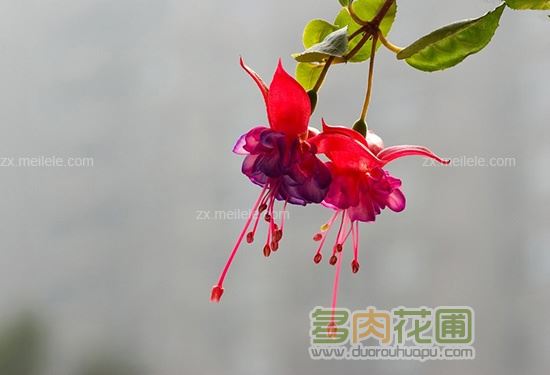
How to propagate Fuchsia? A detailed guide to common propagation methods
Native to tropical America and New Zealand. It prefers a cool and humid environment. It is not tolerant of high temperatures, and the optimal growing temperature is 10-15°C. A fertile sandy loam rich in humus and with good drainage is ideal. 1. Propagation methods (1) Seed propagation Some varieties that readily set seed can be propagated by seed. In spring and autumn, sow in a seedling tray in the greenhouse
条件筛选