-
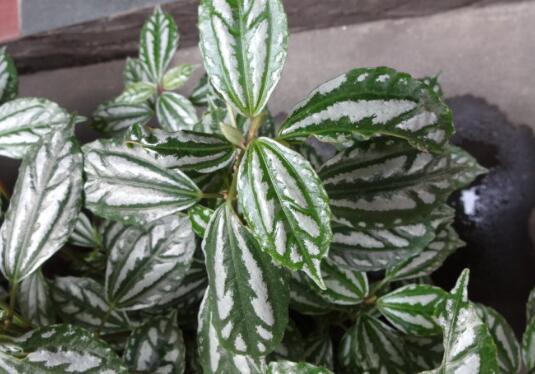
How to grow Pilea cadierei? Detailed guide to cultivation methods and precautions
How to grow Pilea cadierei, also known as snow-white grass and mosaic nettle, is a perennial herb of the genus Pilea in the nettle family. Its underground rhizomes grow horizontally, the plant height is 30-50 cm, the above-ground stems are fleshy and semi-transparent, with swollen nodes and many branches. The leaves are opposite, ovate, with abruptly pointed tips, and three main veins are very obvious
-
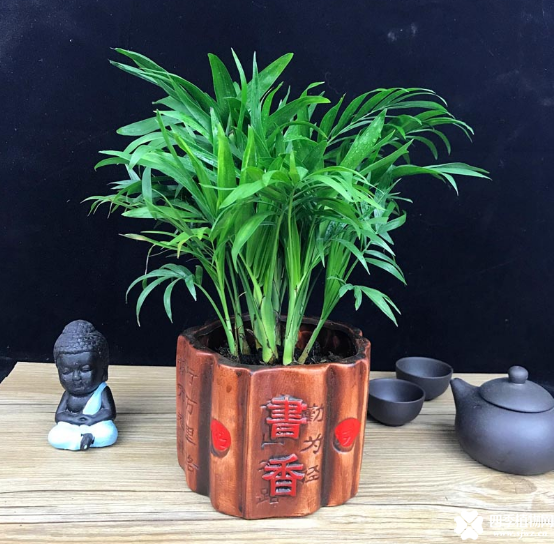
What are the cultivation methods for the parlor palm?
Cultivation methods for the parlor palm. The parlor palm belongs to the palm family (Arecaceae) and is an evergreen small tree. Its pinnate leaves grow from the top of an upright stem; the leaves are thin, leathery and glossy. Its compact form resembles a beautiful coconut palm, which is how it got the name parlor palm. When cultivating
-

How to prevent and control leaf spot disease in geraniums? A detailed guide to practical methods
[Symptoms] In the early stage of the disease, chlorotic spots appear on infected leaves, and the spots gradually expand afterward, forming relatively large round lesions. The lesions are dark brown with concentric rings. In the late stage of the disease, a dark green mold layer appears on the lesions, which consists of the conidia of the pathogen
-
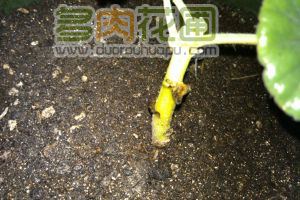
What are the methods to prevent root rot in geraniums?
Geranium, also known as shilabong, renlabong, hydrangea, and foreign hydrangea, is a subshrub or perennial herbaceous plant in the Geraniaceae family and the genus Pelargonium. It is covered all over with fine soft hairs and has a distinctive scent. It is native to southern Africa and is now widely cultivated around the world. It prefers a cool climate, with an optimum temperature of 10-25°C, and can tolerate low temperatures of 0°C.
-

Identification and Control Methods for Common Pests and Diseases of Serissa
(1) Damping-off: This disease is caused by infection by the fungi Pythium aphanidermatum and Pythium ultimum, and is a seedling-stage disease that seriously threatens the growth of Serissa. On affected seedlings, water-soaked lesions first appear at the base of the stem, then turn brown and become sunken and shrunken; afterward the diseased area rapidly girdles the stem, causing the seedling to collapse. Finally the diseased seedlings rot and dry up.
-
Large-flowered Geranium Propagation and Geranium Growing for a Full Pot: Cutting Methods and Timing
(1) Sowing propagation can be carried out in spring or autumn, with indoor pot sowing in spring being preferable. The suitable germination temperature is 20-25°C. Geranium seeds are not large, so after sowing the covering of soil should not be deep; they germinate in about 14-21 days. If sown in autumn, they can bloom the following summer. Seedlings from sowing propagation
-
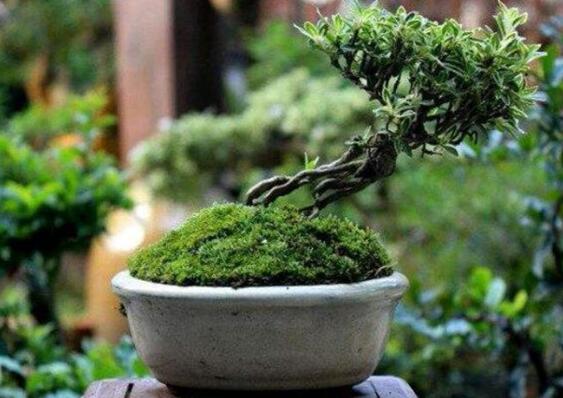
Training and Pruning Methods for Serissa Bonsai
Serissa (Serissa japonica), also known as snow-in-June, has small leaves and produces small white flowers in midsummer, hence its name "June snow." Bonsai made from serissa feature exposed roots and claws, an elegant and unrestrained appearance, varied postures and a unique charm. Serissa branches are soft and easy to wire into shape, and young trees can be made into miniature bonsai. In the south, large and medium-sized bonsai are mostly made by digging old stumps from the wild.
-

Environmental requirements and propagation and cultivation methods for Serissa
The scientific name of Serissa is Serissa serissoides. It blooms between June and July, with small white flowers covering the branches like a layer of snowflakes, hence the name "June snow" (Serissa). It is native to the provinces south of the Yangtze River in China, prefers sunlight but is also fairly shade-tolerant, and is not strict about temperature, able to adjust its own growth habits according to winter temperatures
-
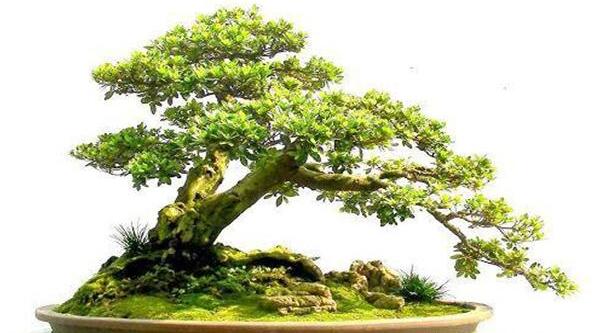
Detailed Guide to the Care Methods and Techniques for Serissa Bonsai
In southern regions, Serissa grows during the two seasons of spring and autumn; when temperatures are too high or too low, its growth stalls. It likes warm, semi-shaded and humid environments, is not cold-tolerant, and is suited to growing in fertile, neutral sandy soil. You can use pond mud and garden soil, add a small amount of fine sand, dried crushed cow dung and bone meal, and mix them evenly as the growing medium.
-
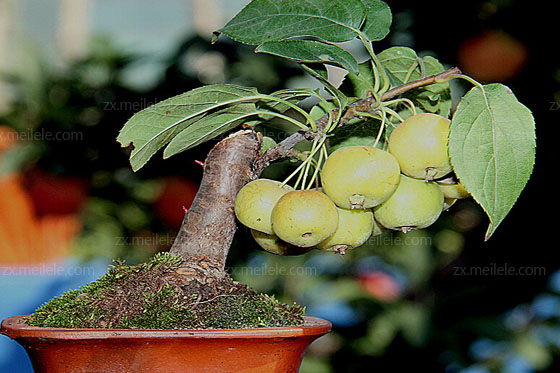
How to dwarf fruit tree bonsai? A detailed guide to practical methods
Methods for dwarfing fruit tree bonsai. Because potted fruit trees are limited by cultivation conditions, some measures are often needed for dwarf cultivation. The main methods for dwarfing potted fruit trees are as follows: (1) Trunk ring-barking with a dwarfing rootstock bark patch. On a fruit tree trunk grown in a pot for 1 year, make a ring bark cut 5 cm near the base.
条件筛选