What are the control methods for peanut viral diseases?
Peanut disease is one of the major diseases of peanut, seriously affecting the yield and quality of peanut, and it is especially severe in the production areas of northern China. For peanut viral diseases, except for bud blight, which is mainly transmitted by thrips, other diseases such as mild mottle disease, yellow mosaic disease, and common mosaic disease are transmitted through seeds and aphids, and seed-borne infected tubers...
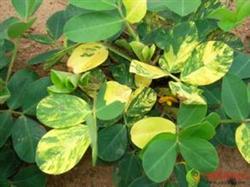
Peanut disease is one of the major diseases of peanut, seriously affecting the yield and quality of peanut, and it is especially severe in the production areas of northern China.
For peanut viral diseases, except for bud blight, which is mainly transmitted by thrips, other diseases such as mild mottle disease, yellow mosaic disease, and common mosaic disease are transmitted through seeds and aphids, and seed-borne infected tubers are the main primary infection source for the epidemic of these diseases. The level of seed transmission rate is mainly affected by the period of disease occurrence; the earlier the disease occurs, the higher the seed transmission rate. The seed virus-carrying rate is negatively correlated with seed size: large seeds have a low virus-carrying rate, while small seeds have a high virus-carrying rate. Under conditions where virus sources and susceptible varieties exist, the timing and number of aphids are the main factors in the epidemic of viral diseases. The aphids that transmit the virus are mainly winged aphids active in the field. Generally, if aphids occur early and in large numbers during the peanut growing period, severe disease epidemics are likely to occur; otherwise, the disease is mild. If there is little rainfall, mild climate, and dry conditions during the peanut seedling stage, aphid outbreaks are likely to occur, causing disease epidemics; otherwise, the disease is mild. Control methods: First, use virus-free or low-virus seeds to eliminate or reduce the primary infection source. Virus-free seeds can be obtained through isolated propagation. Second, select varieties such as Yuhua No. 1, Haihua No. 1, and Yuhua No. 7, which are lightly susceptible and have low seed transmission rates, and choose large seed kernels as seeds. Third, promote plastic film mulching technology; plastic film has a certain aphid-repelling effect and can reduce the damage of viral diseases. Fourth, promptly remove weeds in the field and surrounding areas to reduce aphid sources. Fifth, carry out disease quarantine well and prohibit seed transfer from diseased areas. Sixth, use chemicals to control aphids. When sowing, use 3% carbofuran granules to cover the seeds, with a dosage of 2.5 kg-3 kg per mu; 25% phorate (812) can also be used to cover the seeds, with a dosage of 0.5 kg per mu. After peanut emergence, check promptly, and when aphids are found, spray with 40% dimethoate emulsifiable concentrate diluted 800 times in time to eliminate aphid virus transmission.