-
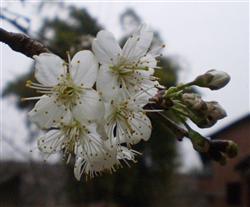
What are the management methods for cherries from flowering to before ripening?
The flower and fruit management of cherries is mainly reflected in pollination and fruit retention, flower and fruit thinning, and fruit protection before harvest. Cherry is a fruit tree with low self-fruitfulness. To ensure fruit set, in addition to configuring pollinizer trees properly when establishing the orchard, artificial pollination and the use of flower-visiting insects to assist pollination should also be done well to increase the fruit-setting rate. At the same time,...
-

What to Do About Empty Chestnut Burrs? Causes and Control Methods Explained
Causes of Empty Chestnut Burrs and How to Prevent and Control Them
-
Four Cultivation Methods for Controlling Excessive Vegetative Growth of Waxberry (Chinese Bayberry) Trees
Waxberry trees planted on deep, fertile soil will, if allowed to grow naturally, develop excessive vegetative growth, causing most of the tree's nutrients to be consumed by the growth of branches and leaves, which leads to phenomena such as few or difficult-to-form flower buds, and the tree entering the fruiting stage late or producing low yields. There are four measures for controlling excessive vegetative growth of waxberry trees: 1....
-
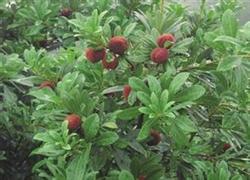
Organic Bayberry Cultivation Techniques, Lecture 2: Detailed Explanation of Cultivation Methods
V. Fertilization 1. Fertilization timing and amount: According to the age of the bayberry tree, growth vigor and soil conditions, adopt scientific formula fertilization. 2. For young trees, focus on "promoting" growth, emphasizing the application of quick-acting fertilizers, with a nitrogen, phosphorus, potassium ratio of about 1:0.8:0.8, to promote shoot growth...
-
What are the main pests of bayberry (Chinese bayberry)? A detailed guide to integrated control methods
I. Bayberry crown gall disease 1. Symptoms: Bayberry crown gall disease is a bacterial disease. It mainly affects the branches and trunks of 2-3 year old fruiting trees, mostly forming tumors on the branches and trunks. The tumors are nearly spherical, varying in size, very hard and suberized, and brown to dark brown. Generally, the tumors on the branches and trunks begin to enlarge in early April, and in July-August...
-
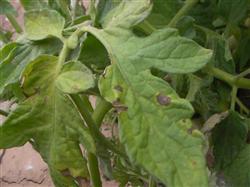
Control Methods and Technical Key Points for Early Blight in Cherry Tomatoes
Early blight is a major disease of cherry tomatoes, widely distributed and commonly occurring, mainly in open fields in autumn, and also occurring occasionally in protected cultivation. Generally 30%-50% of plants are diseased, and in severe cases 100% become diseased, with some branches and leaves necrotizing due to the disease, significantly affecting cherry tomato production. This disease mainly damages leaves, and in severe cases also infects...
-
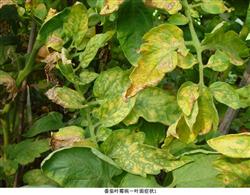
How to prevent and control leaf mold in cherry tomatoes? Detailed explanation of prevention and control methods
Cherry tomatoes grown in greenhouses are often attacked by leaf mold, and vegetable growers should pay attention to prevention and control. I. Symptoms It mainly damages leaves, and in severe cases also damages stems, flowers and fruits. When leaves are infected, irregular or elliptical light yellow chlorotic spots appear on the leaf surface, and a white mold layer first forms on the diseased part of the leaf underside, later the mold layer becomes grayish brown or...
-
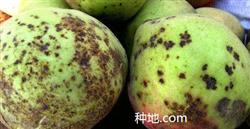
What disease causes black spots on peach fruit? A detailed guide to prevention and control methods
What disease causes large numbers of black spots on peaches? How should it be prevented and controlled? The main symptoms of peach scab are: peach scab mainly damages the fruit, but can also attack leaves and new shoots. When the fruit is affected, dark brown round spots usually appear on the shoulder, gradually expanding to 2-3 mm, then becoming black mole-like spots,...
-
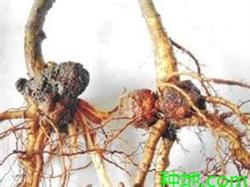
What Is Peach Crown Gall Disease? Symptoms and Control Methods Explained
What is peach crown gall disease? How can peach crown gall disease be controlled effectively? Symptoms of peach crown gall disease: 1. Symptoms Peach crown gall disease is caused by Agrobacterium tumefaciens and is a bacterial disease. After a peach tree is infected, galls of varying sizes, spherical or flattened spherical, form on the roots or trunk. After fusing, they become irregular in shape, then gradually turn brown, with a rough, uneven surface, hardened and woody, forming irregular cavities. After seedlings are infected, their development is hindered, growth is slow, and the plants are stunted; in severe cases, the leaves turn yellow and the plants decline prematurely. When mature fruit trees are infected, the fruit is small and the tree's lifespan is shortened.
-
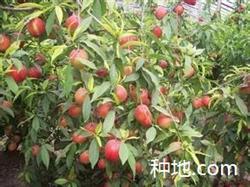
What are the correct methods for fertilizing peach trees?
A netizen from Zhejiang, China commented: How should peach trees grown in greenhouses be managed? The key management points for growing peach trees in greenhouses are as follows: 1. Bud removal and pruning. During the bud break period of peach trees in the greenhouse, promptly remove unwanted buds. After flowering, promptly thin out overly dense branches, water sprouts, upright branches, shade-casting branches, and crossing branches as needed. 4-6 before harvest...
条件筛选