-
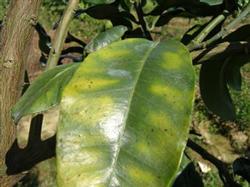
What are the control methods for magnesium deficiency in citrus?
In recent years, as a large amount of rural labor has moved to cities and towns, the number of livestock raised by farming households has declined, and the sources of organic fertilizer have decreased significantly. Coupled with years of low fruit prices, fruit growers have greatly reduced or even stopped using organic fertilizer in fruit production, causing the phenomenon of nutrient deficiency in orchards to worsen continuously in recent years. This is especially true for the secondary element magnesium...
-
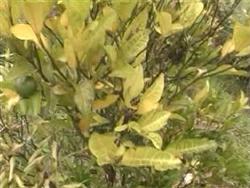
A Detailed Introduction to the Asian Citrus Psyllid and Its Control Methods
Asian citrus psyllid [Diaphorina citri Kuwayama] belongs to the order Homoptera, family Psyllidae. It is an important pest during the tender shoot stage of citrus, mainly damaging citrus, and can also damage Rutaceae plants such as orange jasmine (Murraya paniculata) and wampee (Clausena lansium). Damage characteristics: adults and nymphs gather in groups on tender shoots, young leaves and new buds to suck sap. The damaged tender shoots...
-

Detailed Guide to Snake Fruit Planting Methods and Cultivation Techniques
Snake Fruit Planting Methods
-
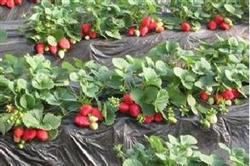
Correct Methods for Applying Bio-Organic Fertilizer to Strawberries
Strawberries are plants grown for their fruit, which is bright red and showy, tender and juicy, sweet and sour to the taste, and high in nutritional value. They are cultivated in China from Heilongjiang in the north to Guangdong in the south, and from Shanghai in the east to ** in the west. Over the course of a year, as the seasons change, the physiological functions of each organ of the strawberry plant also undergo regular changes; these are generally divided into...
-
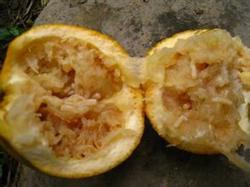
May control methods for the Chinese citrus fruit fly
The Chinese citrus fruit fly, commonly known as the citrus maggot, and the damaged fruit known as maggot fruit, was a nationally quarantined pest before 2009. It damages four citrus types: pomelos, sour oranges, navel oranges, and mandarins (loose-skin citrus), with sour oranges and sweet oranges suffering the most severe damage. Its larvae tunnel through and feed on the segments inside the fruit, causing the fruit to turn yellow before ripening, with red tinges amid the yellow, and the damaged fruit severely...
-
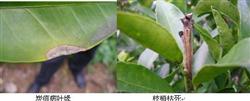
How to prevent and control citrus anthracnose? Mastering these methods is key
(1) Reasonable fertilization. Increase the application of organic fertilizers, such as plant ash and rapeseed cake fertilizer, to improve the physical and chemical properties of the soil and create good conditions for root growth; according to the measured soil properties, carry out formula fertilization with nitrogen, phosphorus, potassium and micronutrients. (2) Reasonable pruning and thinning of branches and fruit. Combined with garden clearing and year-round management, prune diseased and pest-infested branches...
-
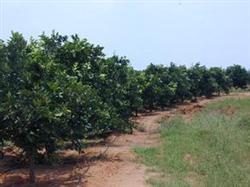
Six Common Irrigation Methods for Citrus Orchards
(1) Furrow irrigation This irrigation method is also called soaking irrigation. That is, furrows are opened between the rows of the citrus orchard and connected with the water supply channels, and the irrigation water seeps into the soil through the furrow bottom and furrow walls. This method is currently commonly used. (2) Flood irrigation Embankments are built in zones within the citrus orchard, and water is led into the orchard. This method consumes a large amount of water, the topsoil is prone to hardening, and soil permeability is poor, so it is generally...
-

A detailed explanation of the planting methods and key technical points for canistel
Planting methods for canistel
-
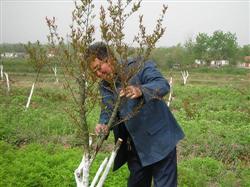
Detailed Explanation of Pomegranate Summer Pruning Methods and Techniques
1. Girdling. Mainly used for strong branches on young vigorous trees. In early to mid-June, select a smooth section of a strong branch and girdle it at a width of 0.3 cm, which can significantly promote flower bud differentiation and formation and increase the fruit set rate. 2. Pinching. During the flowering period, pinch off the top 5 cm, or when new shoots grow to 30-40 cm, pinch off 1/3 of the shoot length, which can promote flower bud...
-
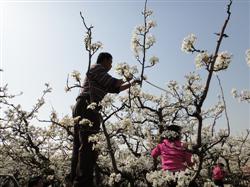
What is the difference between pruning methods for pear trees and apple trees
Post-bloom management of pear trees is a critical period in the whole year's management. Whether the comprehensive management measures during this period are appropriate directly affects the fruit set rate and fruit quality. The key points of pear tree management during this period are: 1. Pollination Pear flowers generally open after 8 o'clock in the morning. Flowers that open on the same day can be pollinated, and pollination is best 1 to 2 days after the flowers open...
条件筛选