-
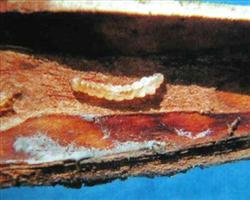
5 Control Methods for the Apple Flatheaded Borer
Nursery stock quarantine: The apple flatheaded borer is a quarantine pest and can be spread to new areas with nursery stock. Therefore, quarantine work at the time of nursery stock shipment must be strictly strengthened to prevent its spread. Protecting natural enemies: During the mature larval and pupal stages, the apple flatheaded borer has two species of parasitic wasps and one species of parasitic fly; in orchards that are not frequently sprayed with pesticides, the parasitism rate can reach 36...
-
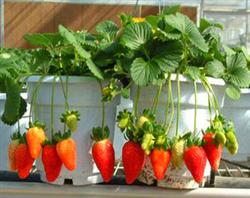
Strawberry Container Cultivation Techniques and Management Methods
Strawberry is a perennial herbaceous plant of the genus Fragaria in the rose family (Rosaceae). Its flowers are white and its fruit red, the plant is short, with leaves growing in clusters, and green leaves set off the red fruit as it creeps along the ground, full of charm. In warm-climate regions it does not shed its leaves in winter, and its flowering and fruiting period is long; from November to May of the following year it has both flowers and fruit, and it can be used to arrange flower beds and flower borders. When the fruit of a potted strawberry is bright red...
-
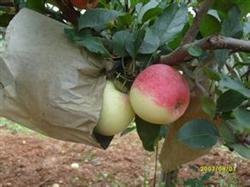
A Complete Guide to Apple Bagging Time and Methods
Bagging Time Apart from apple varieties whose fruit surface is prone to russeting, early-ripening and mid-ripening apple varieties are usually bagged about 30 days after petal fall, while mid-late-ripening and late-ripening apple varieties are bagged 35 to 45 days after petal fall. If bagged too early, the apple surface will be more smooth and glossy at harvest, but because the young fruit's stalk is tender and slender, the fruit may drop with the bag in windy weather...
-
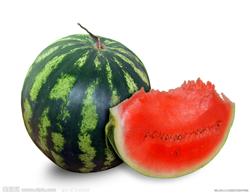
What are the methods for judging whether a watermelon is ripe?
1. Accumulated temperature method. Watermelons need a certain amount of accumulated temperature from flowering to ripening. Generally, early and mid-season varieties need 700--800°C from flowering to ripening, while late varieties need about 1000°C. Therefore, under conditions of timely sowing in spring and normal climate, the fruit development days of each variety are basically fixed. Early varieties need 28--3...
-
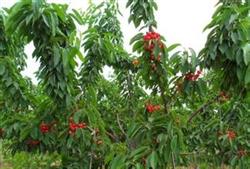
Detailed Explanation of Cherry Planting, Cultivation Techniques and Management Methods
I. Variety Selection, Orchard Establishment and Planting Chinese cherries have weak cold resistance and prefer a warm and moist climate, making them suitable for cultivation in areas with an annual average temperature of 15-16°C. Sweet cherries prefer cool and dry conditions. The natural dormancy period of cherries is about 80-100 days. The chilling requirement for sweet cherries to complete dormancy is 1100-1300 hours below 7.2°C. Sour...
-
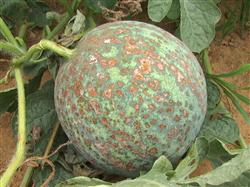
How to keep watermelon fresh for two months? Practical methods you can learn
Chemical control: start spraying at the early stage of disease onset, every 7-10 days, for 2-3 consecutive treatments. Fungicides can be chosen from 68.75% DuPont Equation 1000x solution, 25% Shibogong emulsifiable concentrate 1000-1500x solution, 80% Sande Sheng wettable powder 600-800x solution, 50% Thiophanate wettable powder 1000x solution, 40% Dako...
-
Occurrence Patterns and Control Methods of Kiwifruit Gray Mold
Kiwifruit gray mold mainly occurs during the flowering stage, young fruit stage and storage period of kiwifruit. In severe years, the incidence rate in orchards and during storage can reach more than 50%. Kiwifruit gray mold has become one of the main diseases affecting the healthy development of the kiwifruit industry. 1. Symptoms When young fruit (late May to early June) is affected, residual stamens and petals are densely covered with gray spores. At the initial stage, the fuzz on young fruit turns brown, the skin is infected, and in severe cases it can cause fruit drop. Contaminated stamens and petals attach to leaves and form concentric ring lesions centered on them; the lesions expand and leaves drop. If rain occurs, the disease develops more severely. After fruit is affected, gray-brown mycelium and spores form on the surface, followed by black sclerotia. During storage, fruit is easily infected by diseased fruit.
-
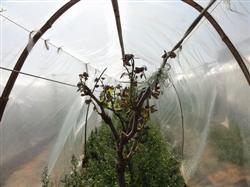
Three Simple Methods to Protect Greenhouse Grapes from Freezing
In recent years, the area under protected grape cultivation has increased. Due to large temperature fluctuations in early spring, temperature inversion easily occurs inside the greenhouse, causing early-sprouting varieties to suffer freeze damage. The following measures can be taken in production for prevention and remediation. 1. Water 1 day before the cold snap arrives to increase soil moisture and air humidity inside the greenhouse, using moisture to regulate temperature. 2. In the vineyard...
-
Key Points and Methods of Banana Ripening Techniques Explained
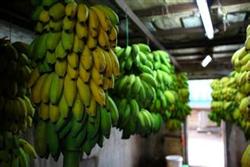
1. Natural physiological after-ripening. This is the method by which bananas turn yellow and ripen by relying on the fruit's own after-ripening process, without artificially adding ripening agents. In seasons with higher temperatures (20°C-30°C), after the banana hands are separated, they are packed into fruit baskets, about 25 kg per basket, then placed in a sealed room and stacked 3-5 layers deep, and in about 7-10 days they turn yellow...
-
Key Technical Points and Cultivation Management Methods for Brazilian Banana Planting
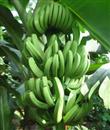
I. Selection of Banana Orchard Site A Brazilian banana orchard requires loose soil, a deep and fertile soil layer, a low groundwater table, easy irrigation and drainage, abundant sunlight and air, and convenient transportation. II. Land Preparation 1. Opening the Orchard and Preparing the Land At present, banana planting in our city mostly uses paddy fields, and paddy fields generally have a high groundwater table,...
条件筛选