May control methods for the Chinese citrus fruit fly
The Chinese citrus fruit fly, commonly known as the citrus maggot, and the damaged fruit known as maggot fruit, was a nationally quarantined pest before 2009. It damages four citrus types: pomelos, sour oranges, navel oranges, and mandarins (loose-skin citrus), with sour oranges and sweet oranges suffering the most severe damage. Its larvae tunnel through and feed on the segments inside the fruit, causing the fruit to turn yellow before ripening, with red tinges amid the yellow, and the damaged fruit severely...
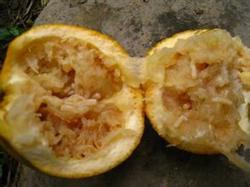
The Chinese citrus fruit fly, commonly known as the citrus maggot, and the damaged fruit known as maggot fruit, was a nationally quarantined pest before 2009. It damages four citrus types: pomelos, sour oranges, navel oranges, and mandarins (loose-skin citrus), with sour oranges and sweet oranges suffering the most severe damage. Its larvae tunnel through and feed on the segments inside the fruit, causing the fruit to turn yellow before ripening, with red tinges amid the yellow, and the damaged fruit rots severely. In an average year, the citrus fruit drop rate is about 10%, and in severe years the fruit drop rate can reach over 60%, posing a serious threat to the development of the citrus industry in our county. In view of this, the following control recommendations are proposed:
Ground sealing and killing: Early to mid-May is the peak period for adult emergence from the soil, generally concentrated between 9-12 AM, especially on clear days after rain when temperatures are higher, emergence is at its peak. From May 5-8, apply 100 g of 90% trichlorfon crystal per mu; from May 13-16, apply 100 mL of 48% chlorpyrifos per mu, mixed with 50 kg of water for ground spraying to seal and kill emerging adults.
Chemical bait trapping: Starting from May 20, use a sugar-vinegar bait solution to trap and kill adults by hanging bottle traps. The bait formula uses orange juice + brown sugar combined with 90% trichlorfon aqueous solution, with the ratio of trichlorfon : orange juice : brown sugar : water = 0.2 : 5 : 5 : 100. Pour the bait into disposable plastic cups, thread a wire through the rim of the plastic cup, and tie both ends of the wire to the branches of the citrus tree. The disposable plastic cups should be hung in the shaded side or north side of the middle layer of the citrus tree canopy, with 20-25 plastic cups hung evenly per mu, and the bait replaced about every 10 days.
Precautions: Each pesticide application must be completed within 2-3 days. Strengthen management of livestock, poultry, and water sources to prevent poisoning incidents involving humans, livestock, poultry, and fish. In any citrus orchard or area where the above pesticides are applied, conspicuous warning signs should be posted.