-
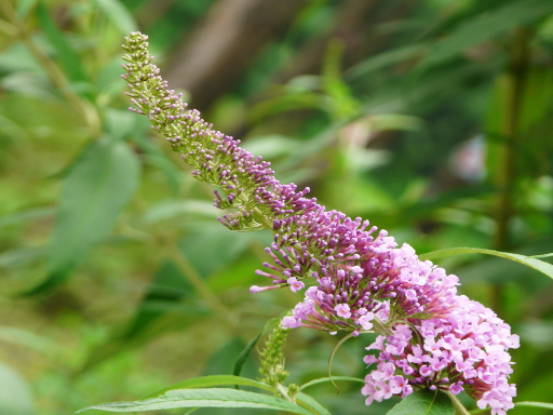
How to propagate Buddleja? Detailed introduction to common propagation methods
For Buddleja we usually choose three propagation methods: container seedling propagation, hardwood cutting propagation and softwood cutting propagation. 1. Container seedling raising: For container seedling raising, we usually choose to raise seedlings in spring. Mix peat, decomposed sheep manure and fine sand evenly in a 2:1:1 ratio, disinfect the mixture, then put it into plug trays or nutrition bags.
-
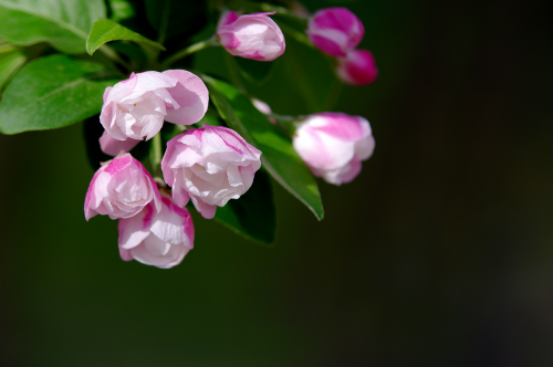
How to propagate Malus micromalus? Introduction to common propagation methods
1. Grafting: Malus micromalus grafting is divided into bud grafting and scion grafting, and the rootstock is mostly seedlings of the same genus. Bud grafting of Malus micromalus is best done in August, and scion grafting is best done in spring. 2. Division: Division of Malus micromalus is suitable in early spring in March, before buds sprout. Around an older Malus micromalus, small seedlings will sprout
-
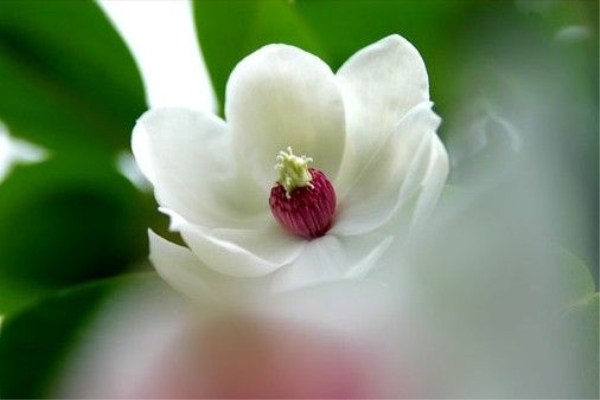
How to propagate Magnolia sieboldii? Introduction to common propagation methods
For propagation by cuttings, we should first prepare fertile soil rich in leaf litter humus. When taking cuttings, choose the young shoots produced by the Magnolia sieboldii, remove all the leaves at the lower end, and cut half off the upper leaves. Insert 4 to 5 cm into the soil, then water thoroughly and keep the soil moist
-
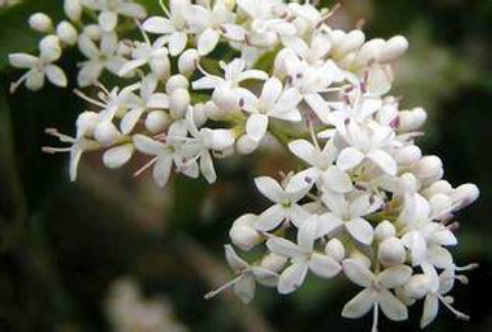
How to propagate night-blooming jasmine? Introduction to common propagation methods
Division: The night-blooming jasmine has strong sprouting ability, so we divide it from the roots into several plants or a number of plants for propagation. This method propagates quickly, but it also has certain limitations. Cuttings are best taken in spring and autumn. The night-blooming jasmine has strong propagation ability and readily produces adventitious roots, so a piece of the mother plant can be taken and inserted into the soil for cutting propagation.
-
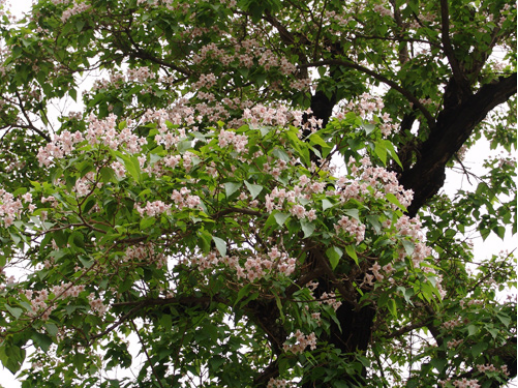
Introduction to Catalpa Propagation Methods: Easily Master Seedling Techniques
Sowing, root burial, cuttings, and grafting; the most commonly used are root burial and grafting. If you are interested in Catalpa propagation methods, you can check out the detailed introduction to Catalpa propagation methods on this site.
-
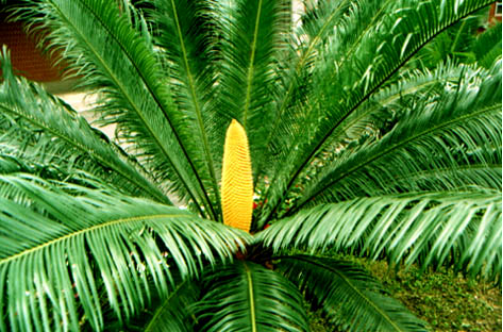
How Does Cycas Reproduce? Introduction to Common Cycad Propagation Methods
There are roughly 2 propagation routes: sexual reproduction, i.e. seed propagation, and asexual reproduction, i.e. separating the suckers at the base of the plant for propagation. As for the specific propagation methods, please refer to the introduction on cycad propagation methods on this site. If you want your cycad to grow well
-
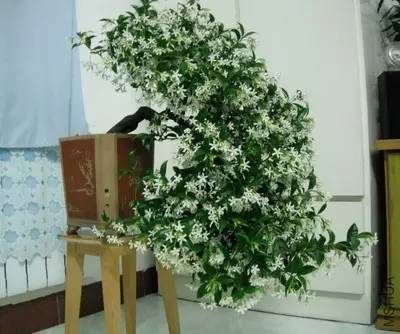
How to grow a star jasmine (Trachelospermum jasminoides) bonsai? Detailed introduction to care methods
With flowers like white snow and variegated branches and leaves, the beautiful star jasmine bonsai requires not only better pruning methods but also attention to its care methods. Proper care is a necessary condition for better growth and the foundation for pruning the most beautiful star jasmine bonsai. 1. Suitable temperature and light. The star jasmine bonsai, as a temperate flower,
-
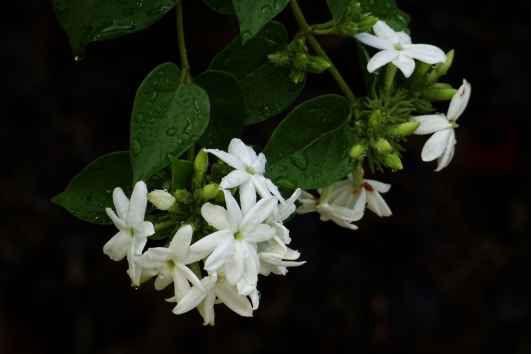
How to propagate downy jasmine? A detailed introduction to common propagation methods
Propagation is mainly by cuttings, but layering can also be used. For cuttings, in June-July, select a 1-year-old plump branch with 3 nodes, keep 2 leaves, insert it in sand, shade it and keep it moist; it roots in about 30 days. Layering also roots and survives easily, using the same method as general layering. However, it is worth noting that the floral fragrance of downy jasmine is very strong
-
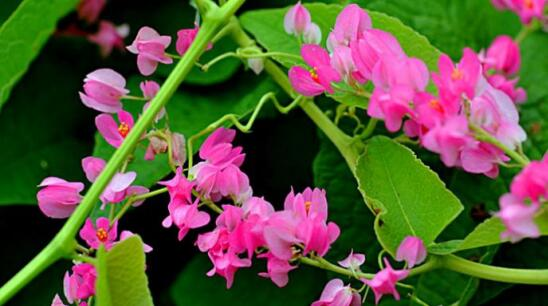
How to propagate Coral Vine? Introduction to common propagation methods
According to research, Coral Vine mainly has two propagation methods, seed propagation and cutting propagation. Let me introduce them to you one by one below: Spring and summer are the best periods for sowing Coral Vine, because the weather during this time is relatively warm and the temperature is not too high.
-
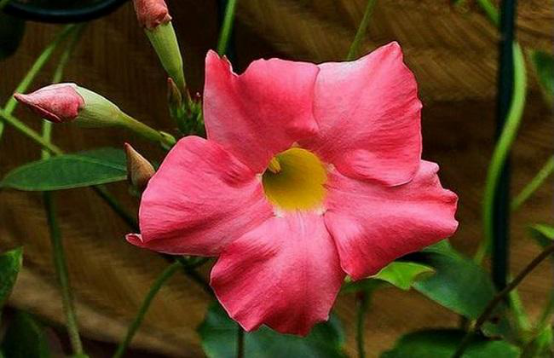
How to propagate Dipladenia? An introduction to several common methods
The most suitable growing temperature for Dipladenia is 20-31°C, with spring being the most suitable; it should not be cultivated below 10°C to avoid cold damage. Dipladenia has strong adaptability to soil and especially loves sandy soil rich in humus. It is generally propagated by sowing or cuttings, selecting semi-lignified branches.
条件筛选