-

Introduction to Androsace umbellata (throat grass, white-flowered pearl grass, copper coin grass) and its care
Androsace umbellata (throat grass, white-flowered pearl grass, copper coin grass) Scientific name: androsaceumbellata Family and genus: Primulaceae Morphological characteristics: Perennial herb, the plant body has fine soft hairs, plant height 15~30 cm. Leaves heart-shaped, margins toothed. Flower scapes erect
-

How to propagate passion fruit? A detailed introduction to common propagation methods
Propagation methods for passion fruit
-
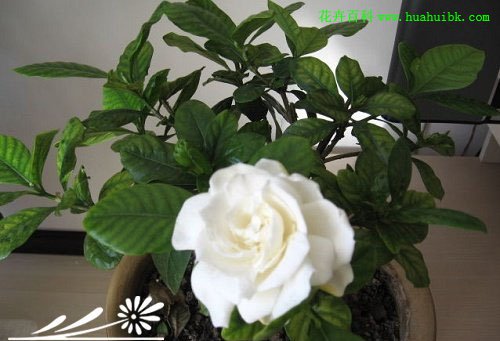
How to grow gardenia? An introduction to the correct cultivation methods
Gardenia, also known as zhizi and huangzhizi, is an evergreen shrub in the order Gentianales, family Rubiaceae, genus Gardenia. Gardenia has luxuriant branches and leaves, foliage that stays green all year round, and fragrant, elegant flowers, making it an important ornamental garden plant. Gardenia likes a warm, humid environment with plenty of light and good ventilation, but dislikes intense direct sunlight
-
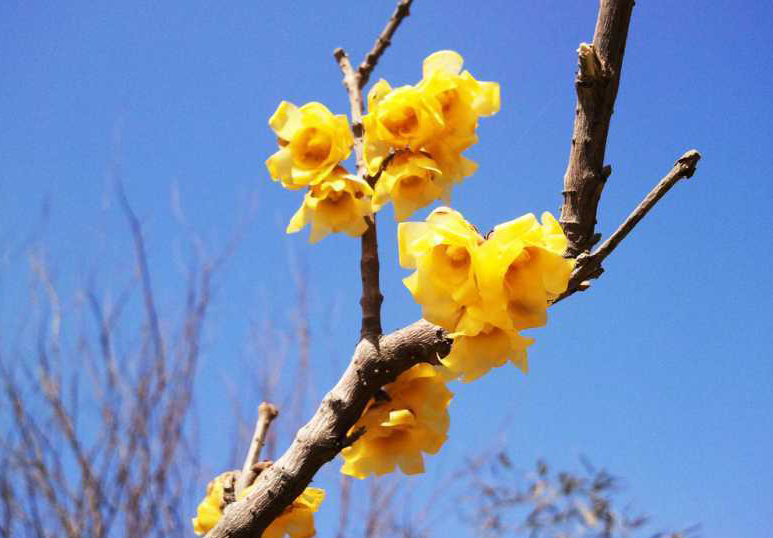
How to shape a potted wintersweet? Introduction to common shaping methods
Wintersweet has strong growth vigor, sprouts branches easily, and tolerates pruning, making it suitable for training as a stump bonsai. The common shaping method for the "hanging-branch plum" is as follows: in early spring, plant an old dog-tooth wintersweet (Chimonanthus praecox var. grandiflorus) that has a "knot" on the root crown into a pot; when planting, take care to leave part of the "knot" exposed above the pot rim. After planting, cut off all the branches on the upper part of the plant
-

Introduction to the Growth Habits and Origin Distribution of Iris
[Aliases] Butterfly blue, butterfly flower, iron carrying pole. [Family and genus] Iridaceae, Iris. [Morphology] Rhizome short and thick with many nodes. Plant height 3060 cm. Leaves sword-shaped, 30--50 cm long, 2.5-3.0 cm wide. Flower stems 30-50 cm tall, with 1--2 branches
-
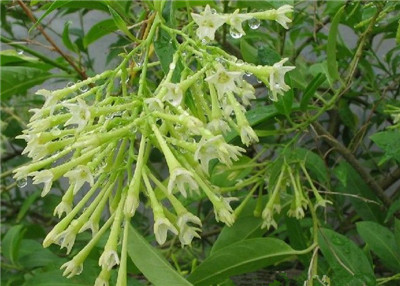
What does the night-blooming cestrum look like? A detailed introduction to its appearance and characteristics
The night-blooming cestrum (Cestrum nocturnum) has slender, weak branchlets that are hairy and contain milky sap. The leaves are opposite; the blades are broadly ovate, heart-shaped to oblong-ovate, 4-9.5 cm long and 3-8 cm wide, with a short acuminate apex and a deeply heart-shaped base, entire margins, 7-9 palmate veins arising from the base, and hairs on the margins and veins. The umbel-like cymes are axillary
-

What varieties of Spatholobus suberectus are there? Detailed introduction to common varieties
What varieties of Spatholobus suberectus are there
-
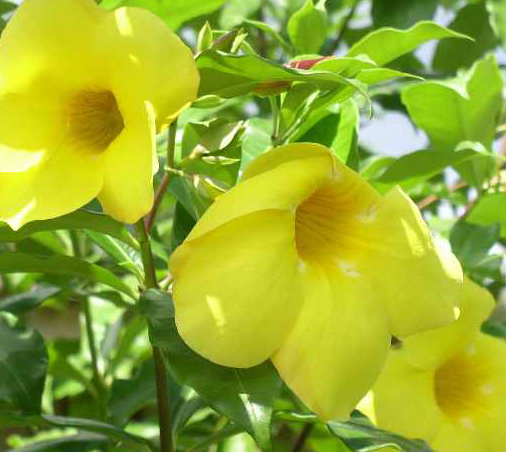
What types of yellow allamanda are there? A detailed introduction to common yellow allamanda varieties
Yellow allamanda belongs to the genus Allamanda in the family Apocynaceae. This genus has 15 species, distributed in tropical America. The common species and cultivated species introduced and grown in China include: yellow allamanda, willow-leaved allamanda, double-flowered willow-leaved allamanda, small-leaved willow-leaved allamanda, white allamanda, and purple allamanda. Yellow allamanda is an evergreen shrub. Leaves are 3-5 in whorls, ovate-lanceolate, with entire margins
-
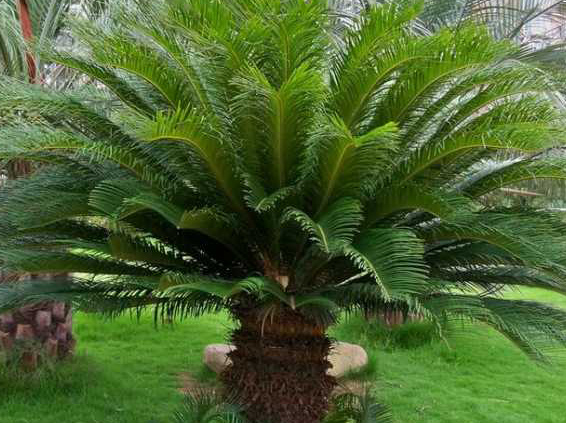
What Types of Cycads Are There? Introduction to Common Varieties
Cycads are a rare plant group in the world, with 24 extant species. Those commonly seen in gardens include: Cycas rumphii, Cycas szechuanensis, Cycas panzhihuaensis, Cycas micholitzii, Cycas multipinnata, Zamia cycads, and others
-
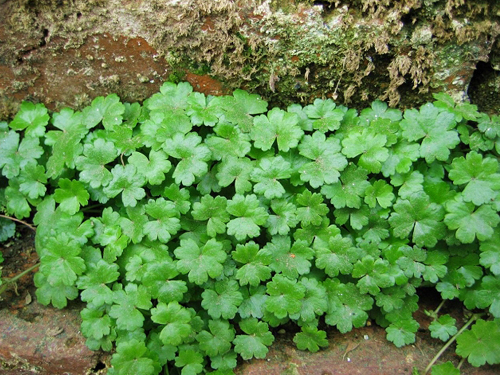
How to grow Hydrocotyle sibthorpioides? Introduction and care methods for Baby's Tears, Po Tong Qian
Hydrocotyle sibthorpioides (Baby's Tears, Po Tong Qian, Taiwan Hydrocotyle) Scientific name: hydrocotylesibthorpioides Family: Apiaceae Morphological features: Perennial herb. Plant height 5-10 cm, stems slender, creeping growth. Leaves alternate, kidney-shaped, usually 5-lobed, hence the name Po Tong Qian
条件筛选