Introduction to Catalpa Propagation Methods: Easily Master Seedling Techniques
Sowing, root burial, cuttings, and grafting; the most commonly used are root burial and grafting. If you are interested in Catalpa propagation methods, you can check out the detailed introduction to Catalpa propagation methods on this site.
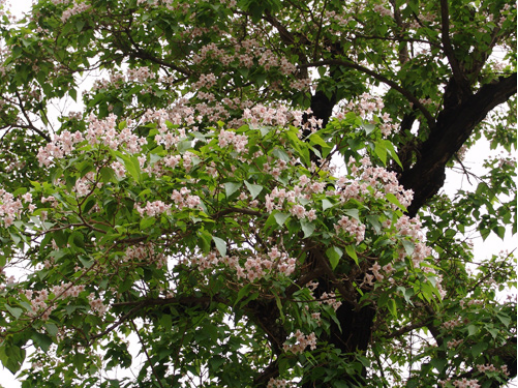
How to Grow Catalpa
1. Basic Knowledge for Growing Catalpa
Growing soil: deep, fertile, moist soil.
Humidity requirements: humidity should be maintained between 68-79%.
Temperature requirements: an environment with an average annual temperature of 10-15°C.
Light requirements: plenty of sunlight.
2. Watering
Catalpa has strict water requirements, which must be given attention in daily care. For seedlings planted in spring, first water the first three times well, then water twice thoroughly in May, June, September, and October; in July and August, if it is not drought, you can skip watering; in December, water generously and thoroughly. By early spring of the second year, water the green-returning water promptly, water twice thoroughly from April to October, and still water generously and thoroughly in early December. In the third year, water according to the method for the second year. In the fourth year, aside from watering the green-returning water in early spring and the antifreeze water in early December, no further watering is needed at other times, as it can grow entirely on natural rainfall, and only when the weather is too dry should a small amount of water be given.
3. Fertilizing
In addition to applying sufficient base fertilizer at planting time, fertilizer should also be applied once around December each year; in early May, apply some urea; in late July, apply some phosphorus and potassium fertilizer.
4. Pruning
Catalpa has strong sprouting ability. During the growing season, the main trunk often sends out new shoots. To avoid consuming too many nutrients, they should be pruned and removed promptly. Usually, the drooping branches, crossing branches, overly dense branches, diseased and pest-infested branches, and dry dead branches of Catalpa should be pruned.
By doing these four things well, Catalpa will be full of vitality and filled with the fragrance of flowers. So, how are these Catalpa trees, which grow so luxuriantly under careful cultivation, propagated? Let me tell you now.
Catalpa Propagation Methods
Propagating Catalpa by Sowing
The first important step in seed propagation is seed collection. Seeds should be collected from old Catalpa trees over 20 years old, then dried in the sun and stored. Next is soaking the seeds. Before sowing, soak them in warm water at about 30°C for 4 hours, then dry them, then mix the seeds evenly with moist sand and wait for germination. During this period, sprinkle water regularly and turn them so that the moisture inside and outside is even. Once the seeds open, they can be sown.
Propagating Catalpa by Grafting
Catalpa grafting can be done in winter or spring. Bud grafting can be done in spring or late autumn. In winter, it can be grafted indoors and stored in moist sand, then planted out in early spring. Grafting around Qingming is best, and grafting while covering with soil as you go gives a higher survival rate. In addition, the cleft grafting method can be used: prepare the needed scion and rootstock, align their cambium layers, bind them with hemp rope and plastic rope, and seal them with moist soil. They will sprout in about 10 days.
Propagating Catalpa by Root Burial
Catalpa propagation by root burial can be done in late March. Select 1-2 cm root strips from vigorously growing Catalpa trees, with a length between 12-20 cm, and make smooth cuts. Bury them diagonally into the soil. When burying the roots, press the surrounding soil firmly so it is compacted, then water thoroughly.
Propagating Catalpa by Flat Burial
Flat burial, as the name suggests, is simply placing the root strips flat into the soil and compacting the soil. They will sprout about 20 days after burial. After that, remove the tillers, keeping only one well-growing branch on each.