-
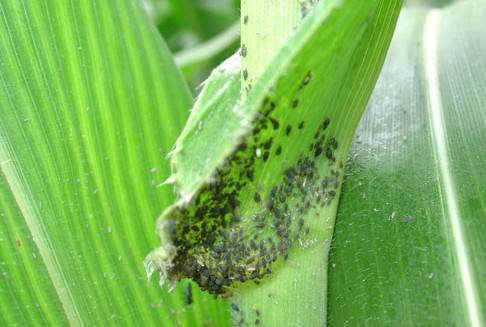
How to effectively identify and control the most common pests and diseases in home gardening?
Indoor flowers and green plants can adorn our living and office spaces, relieve stress, and are also a great life hobby, but at present, the occurrence of pests and diseases in flower growing is also something that is very easy to encounter. How can we make good use of flowers to beautify our lives and grow the flowers at home in a colorful way
-
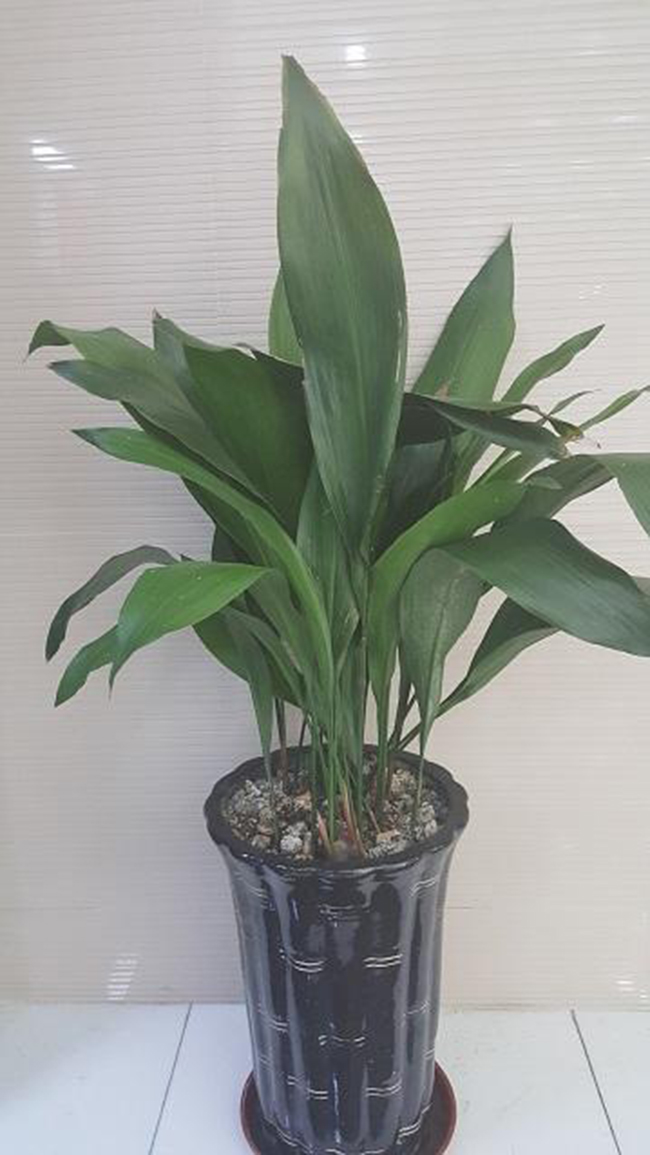
A Detailed Guide to Identifying and Controlling Pests and Diseases of the Cast Iron Plant
Cast Iron Plant Pest and Disease Control 1. Anthracnose Symptoms: Leaf spots on the cast iron plant mostly occur on the leaf margins or leaf surface. The spots are nearly round, grayish-white to grayish-brown, with a yellowish-brown or reddish-brown outer edge, and later develop black small granular dots arranged in concentric rings. Besides the leaves, the petioles and stems are also affected, producing elongated spots.
-
How to identify kudzu root planting scams and be prepared
Kudzu root planting is a cultivation project that requires a lot of skill. If you want to plant and harvest in the same year, it is very difficult to achieve a good yield without skill. Many comp...
-
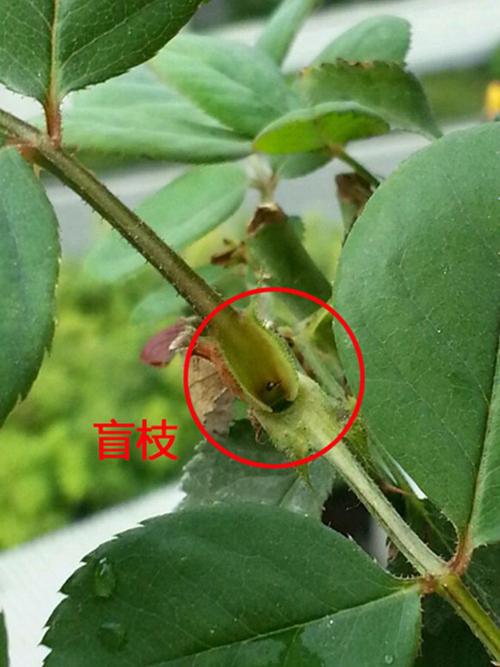
Why isn't your rose blooming? Learn to identify and prune blind shoots
Many people nowadays love growing roses, but in the process of growing them, when everyone else's roses are blooming, why won't your own roses bloom? It turns out blind shoots have appeared. How do you identify blind shoots? What is the correct way to prune them? As long as roses are cultivated properly
-
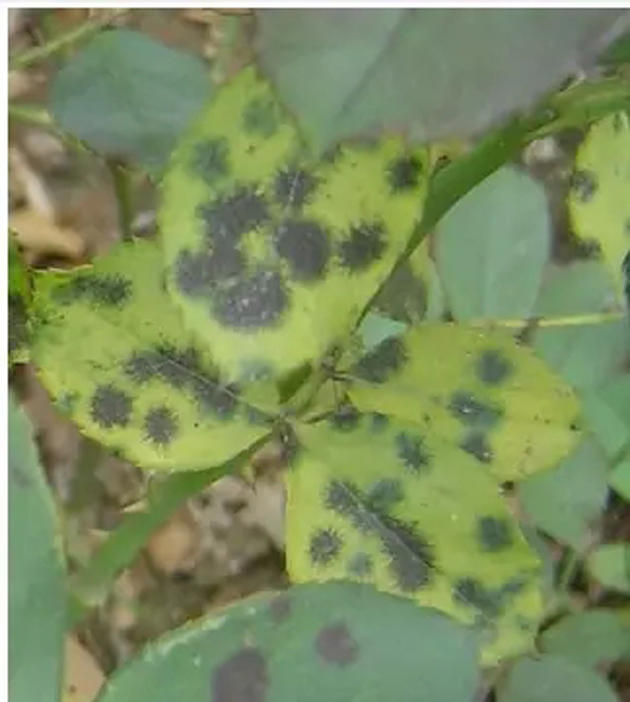
Illustrated Guide to Identifying and Controlling Aphids, Thrips, and Spider Mites on Roses
Speaking of roses, they are a plant that many people love to grow, and their blooms are truly beautiful. But when growing roses in cloudy and rainy seasons, the pests and diseases are really overwhelming. The worst part is not being able to recognize these pests. How do you identify these pests and how do you control them?
-

How do you identify a plant's flowers? A guide to recognizing plant flowers
Plants bloom in order to bear fruit, and the fruit contains seeds. The seeds fall to the ground and grow again, and in this way the plant's life is propagated. This method of reproduction is called sexual reproduction. Of course, some plants can also be propagated by cuttings, or by burying their tubers in the soil.
-

How to Identify Soybean Downy Mildew? A Complete Guide to Prevention and Control Techniques
Downy mildew is found in all major soybean-producing regions of China, occurring more frequently in the cold-climate areas of the Northeast and North China during the soybean growing season, with the disease worsening in rainy years, severely causing premature leaf drop or wilting, seed rot, and yield losses of 30%-50%. It mainly damages the leaves, pods, and seeds of seedlings or mature plants. Symptoms: The pathogen on infected seeds causes systemic infection leading to seedling disease, but the cotyledons show no symptoms. After the first pair of true leaves unfolds, chlorotic patches appear along both sides of the leaf veins, spreading along the main vein and lateral veins, causing the entire leaf to lose chlorophyll, with
-
How to Identify and Control the Tea Green Leafhopper
The small green leafhopper, also known as the floating dust hopper, is the most important pest of tea plants. It damages tea plants by having its nymphs and adults pierce and suck the sap of young shoots, buds and leaves, causing the buds and leaves to yellow and lose their green color, the leaf veins to turn red, and the leaf texture to become coarse and old. In severe cases, the leaf tips and margins become reddish-brown and scorched, the buds and leaves shrivel, growth stops, and they may even be completely scorched, as if burned by fire. When affected leaves are made into dry tea, the amount of broken fragments increases, the taste is bitter and astringent, and both yield and quality are seriously affected. The adult small green leafhopper is 3.5-4.0 mm long, pale green to yellow-green, with 2 small green spots in the middle of the top of the head, and the mesothoracic scutellum
-
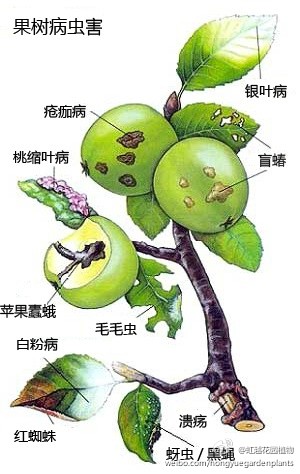
Complete Illustrated Guide to Flower Pests and Diseases: Quickly Identify Disease and Pest Symptoms
Pest and disease illustrations are always somewhat scattered. The few images below bring together illustrations of several dozen common flower pests and diseases, plus illustrations of fruit tree pests and diseases, rose pests and diseases, and tree pests and diseases.
-
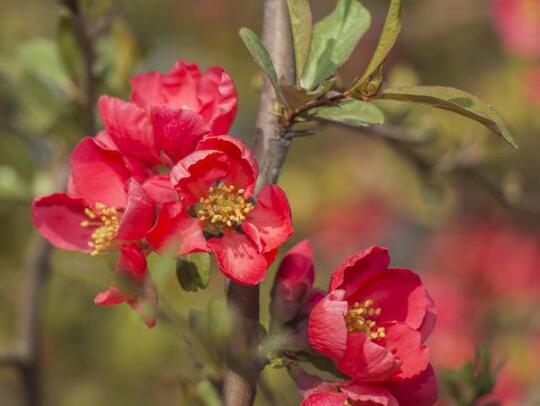
What to do when the leaves of the Japanese rose turn yellow? Identify the cause and control the amount of watering
The Japanese rose is a highly ornamental plant and is grown in many regions of our country. But even the most beautiful flower will lose its appeal if its leaves turn yellow. What should you do when the leaves of the Japanese rose turn yellow, and what are the causes? Let's take a look below.
条件筛选