How to effectively identify and control the most common pests and diseases in home gardening?
Indoor flowers and green plants can adorn our living and office spaces, relieve stress, and are also a great life hobby, but at present, the occurrence of pests and diseases in flower growing is also something that is very easy to encounter. How can we make good use of flowers to beautify our lives and grow the flowers at home in a colorful way? The prevention and control of pests and diseases is one of the important links in this, and home flower growing is also limited by time and place, so in terms of pest and disease control it is also different from cultivation under other conditions. The principle of pest and disease control is "prevention first, integrated control"; "prevention" is primary, and "treatment" is secondary. How can such a goal be achieved, and what good and effective control methods are there? The editor has summarized several of the most common symptoms of pests and diseases in flower growing and effective control methods. The tips are about to begin.
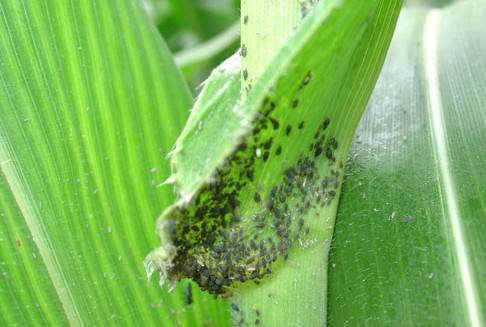
Aphid infestation
Aphids are a type of phytophagous insect, usually occurring on the underside or sides of leaves. They will hinder plant growth, causing plants to bend, twist, develop leaf spots, turn yellow, curl their leaves, reduce their growth rate, wither, and die. They are more common in spring and autumn.
Solutions:
1. Aphids need to be removed by sticking them off with a cotton swab or by pinching them off directly with your hands.
2. If the pest infestation is not serious, you can use insecticide or soapy water to wipe the affected areas. If it is serious, you need to use medications such as Huhuashen or Yashijing, and spray according to the dosage stated in the instructions.
Powdery mildew
Powdery mildew is an extremely common disease on plants. Generally, flowers such as chrysanthemums, Chinese roses, roses, and impatiens are easily infected. The leaves of flowers infected with powdery mildew will form a white powdery layer, the leaves will shrink and become uneven, the leaves will curl outward, and the tips will turn slightly yellow. In severe cases, the leaves will be covered with small black spots.
Solutions:
1. Clean up the infected leaves thoroughly to avoid contagion.
2. Spray medication. Chlorothalonil, thiophanate-methyl, and mancozeb are all very good choices. Dilute them according to the ratio stated in the medication instructions, then spray them onto the surface of the infected leaves. At the same time, also spray the soil of the flowers to prevent the pathogen from multiplying in the soil.
3. Powdery mildew likes humid and damp environments the most, so be sure to maintain ventilation, prune the flowers in time, and prevent powdery mildew from attacking again.
Scale insect infestation
Usually appears on the lower part of the plant, distributed on the stems or leaves of the plant.
Solutions:
1. Use a toothpick or a strong stream of water to wash them off, and isolate the plant to block transmission to other flowers.
2. When the situation is not serious, you can use a water and alcohol solution to wipe and wash it, so as to achieve the effect of thoroughly killing insects and sterilizing.
3. If the situation is serious, you need to spray insecticides such as imidacloprid or Huhuashen, and then pay attention to ventilation and moisture retention, and avoid exposure to strong sunlight.