-

How to identify the Christmas kalanchoe? Master these few identification points
How to identify the Christmas kalanchoe
-
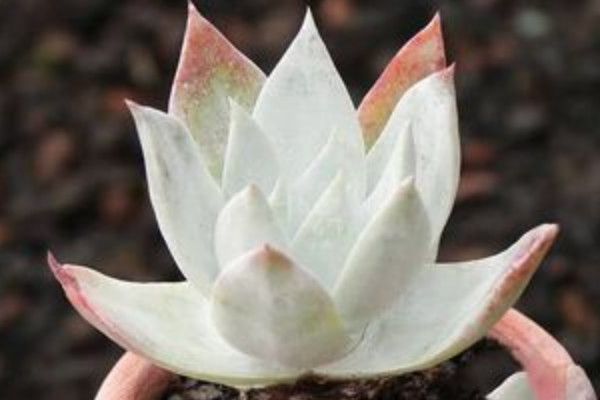
How to Identify Snow Mountain Succulent? A Detailed Guide to Identification Methods
How to Identify Snow Mountain Succulent
-
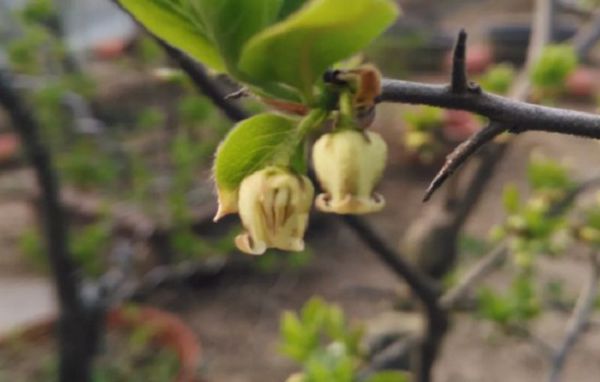
Do Japanese Persimmons Have Male and Female Plants? A Detailed Guide to Identifying Male and Female Japanese Persimmons
Do Japanese Persimmons Have Male and Female Plants?
-

What methods are there for identifying the quality of jasmine tea
Jasmine tea is a natural beverage for people to drink, so it should be identified mainly by its internal qualities, while also examining its appearance (external form). 1. Appearance: evaluated by strip shape, color and evenness. ① Strip shape (called "modeling" for famous fine teas): it should be tightly rolled and sturdy. Famous teas have their own unique requirements, such as Longjing tea (Dragon Well tea), which requires flat, even and straight leaves; Biluochun, which requires curled and tender leaves, and so on. But generally speaking, spring tea usually has tightly rolled and heavy strips, while summer and autumn tea is lighter and thinner or coarse and loose. High-grade tea requires many buds with abundant downy tips, and they should be plump and strong. ② Color: jasmine tea is made from green tea as the raw material,
-
Detailed Guide to Identifying and Controlling the Main Diseases of Lilies
Lilies belong to the genus Lilium in the family Liliaceae and are perennial herbaceous plants, also known as wild lilies and medicinal lilies. In recent years, lily cultivation has been seriously threatened by diseases, mainly lily leaf blight, phytophthora blight, bulb basal rot, and viral diseases. These diseases often occur together, worsening the damage. The usual incidence rate is 10%-15%, and in severe cases it can reach 20%-30%. 1. Several main diseases of lilies (1) Lily leaf blight, also known as lily gray mold, is a commonly occurring disease. It mainly damages leaves, but can also infect stems,
-
How to identify and control black spot on roses
This disease occurs commonly and causes severe damage, leading to massive leaf drop in roses and huge losses. The pathogen is a fungus of the genus Actinonema in the subphylum Deuteromycotina. 1. Symptom identification: In the early stage of the disease, brown radial spots appear on the leaf surface, which then gradually expand into circular or nearly circular spots with a diameter of 4-12 mm; in severe cases, the lower leaves drop early, and the disease gradually spreads upward until the upper leaves also fall off completely. Rainy and humid conditions are the main requirements for spore production; when there are water droplets on the leaf surface and the temperature is suitable, infection can occur in 6-10 hours, and symptoms appear in 3-6 days
-

A Detailed Guide to Identifying and Treating Common Diseases of Plum Blossom
Common Diseases of Plum Blossom and Their Treatment
-
How to Identify and Control Black Spot on Roses? A Detailed Guide to Practical Methods
This disease occurs commonly and causes serious damage, resulting in heavy leaf drop in roses and enormous losses. The pathogen is a fungus of the genus Actinonema in the subphylum Deuteromycotina. 1. Symptom identification: At the initial stage of the disease, brown radial lesions appear on the leaf surface, which gradually expand into circular or nearly circular lesions with a diameter of 4-12 mm; in severe cases...
-

How to Tell Real Boxwood from Fake: A Few Tricks to Easily Identify Authenticity
Methods for Identifying Real and Fake Boxwood
-

A detailed guide to orchid variety identification methods, teaching you how to identify orchids
Methods for identifying orchid varieties
条件筛选