-
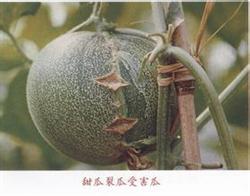
What to Do About Split Melons? A Full Guide to Prevention and Control Methods
1. Scientific fertilization. According to the fertilizer and water requirements of melons during their growth period, supply fertilizer and water in a balanced way, and do not blindly water and fertilize. When fertilizing, not only should sufficient base fertilizer be applied to meet the needs of the melon's early growth, but also timely topdressing should be done in the later stage of melon growth to meet the fertilizer requirements of the melon's later growth. 2. ...
-
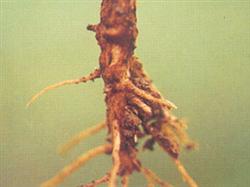
What to Do When Mung Beans Get Root Rot? A Detailed Guide to Prevention and Control Methods
(1) Symptoms In the early stage of the disease, the young leaves turn yellow. If the root system is pulled out for observation, the lower part of the stem and the upper part of the main root can be seen to be dark brown and slightly sunken. When the stem is cut open, the vascular bundles have turned dark brown. When most of the roots have rotted, the plant withers and dies. (2) Disease conditions Low-lying terrain, high soil moisture, low soil temperature, and poor root development make the disease likely to occur. Stormy weather helps the pathogen spread and proliferate.
-
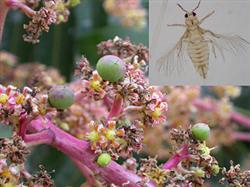
How to prevent and control diseases and pests during the mango flower spike stage? A detailed practical guide
After mango flower spikes are damaged by diseases and pests, the spikes become deformed, flower quality declines, buds drop, flowers dry up, and they cannot bloom or set fruit. The control methods for the diseases and pests harming mango flower spikes are as follows: 1. Anthracnose Anthracnose is the most serious disease harming flower spikes. It strikes as soon as the flower spikes emerge, first appearing as black...
-

A Detailed Guide to Pleurotus pulmonarius Cultivation Techniques and Management Methods
Pleurotus pulmonarius Cultivation Techniques
-

-
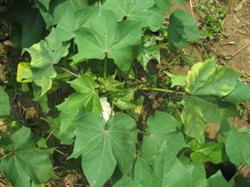
How to prevent and control cotton Verticillium wilt? A detailed guide to practical control techniques
The damage caused by cotton Verticillium wilt is mainly manifested in the middle and late stages of cotton growth. July and August, when the plant flowers and sets bolls, are the peak period of the disease. In summer, in years with high temperatures, drought and lack of rain, the disease is relatively mild. Verticillium wilt generally does not cause stunting, and the plant can still set a small number of cotton bolls. After a long drought during the flowering and boll-setting stage followed by torrential rain, the leaves suddenly wilt, take on a water-soaked appearance, and then drop off...
-

How to Grow Dwarf Sunflowers? A Detailed Guide to Cultivation Techniques
Dwarf sunflowers are annual herbaceous flowers of the genus Helianthus in the Asteraceae family. The plants are short, with dense branches and leaves, and large blooms. There are many varieties with a rich range of colors, including dark red, brown, copper, golden yellow, lemon yellow and creamy white. They have high ornamental value and can be grown in pots or in the ground, making them excellent material for...
-

-

What causes stunted cotton seedlings? A detailed guide to prevention and control methods
Causes of stunted cotton seedlings and prevention and control methods
-
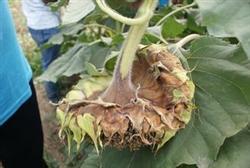
How to prevent and control sunflower sclerotinia? A detailed guide to practical methods
To prevent and control sunflower sclerotinia, the first thing to pay attention to is practicing crop rotation and removing diseased plant residues. Sunflower should be rotated with grass-family crops such as broomcorn millet, foxtail millet and corn, and continuous cropping with legumes and solanaceous crops should be avoided. The rotation period should be at least 3 to 5 years. At autumn harvest, remove the stalks as much as possible, dig out the root stubble and plow deeper than 10 cm. Next is...
条件筛选