-
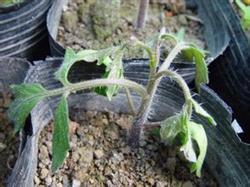
How to prevent tomato damping-off? A detailed guide to practical methods
Tomato damping-off mostly occurs at the seedling stage. Seeds are easily damaged before they emerge from the soil, often resulting in rotten seeds, dead seedlings and damping-off symptoms. The control methods are as follows: 1. Seedbed: sterilize the seedbed, and choose a spot with a slightly higher elevation to facilitate drainage. 2. Strengthen management at the seedling stage; sowing density should not be too high. Sowing...
-
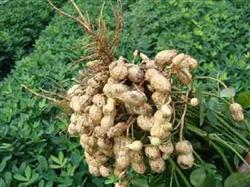
How to Water Spring Peanuts in Drought? A Detailed Guide to Drainage and Waterlogging Prevention
Peanut is an important oil crop in Zoucheng City, with a perennial planting area of 260,000 to 270,000 mu. In order to comprehensively utilize new technologies and new achievements at home and abroad, accelerate the transformation of scientific and technological advances, further explore the laws of high-yield peanut production, fully tap production potential, and increase peanut yields, after more than 30 trials over many years, a high-quality and high-y...
-
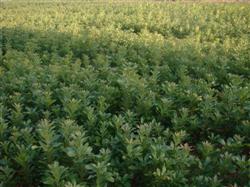
A detailed guide to bayberry cultivation techniques: master all the key points of planting and management
Biological characteristics of cultivation: It prefers a warm, humid, cloudy and misty climate. It is not tolerant of strong light or cold. It is best planted on north- or east-facing mountain slopes in deep, loose, fertile, well-drained acidic yellow soil. Cultivation techniques: There are many cultivars; by fruit color they can be divided into white, red, pink...
-
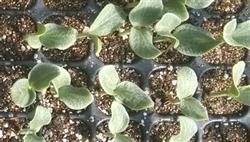
Detailed Guide to Early-Maturing Spring Cultivation Techniques for Japanese Pumpkin
Japanese pumpkin, also known as Western pumpkin, is a new type of vegetable pumpkin introduced in recent years from Japan, South Korea and other places as a high-quality pumpkin. This pumpkin has firm, fine flesh that is sticky or mealy, with excellent flavor, and the fruit is relatively small; when harvested as a vegetable, a single fruit generally weighs 1 kg. It is early-maturing with stable fruit set...
-
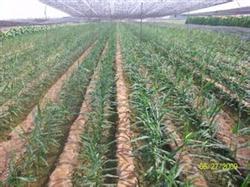
How to Grow Ginger in Northern China for High Yields? A Detailed Guide to Cultivation and Management Techniques
I. Pre-planting Preparation 1. Fine soil preparation and adequate basal fertilizer. It is advisable to choose a plot with fertile soil, good irrigation conditions, and no ginger blast disease, and to avoid continuous cropping as much as possible. On the basis of winter ploughing, carry out fine soil preparation early in spring, so that the soil is free of visible and hidden clods, loose on top and firm below. Increase the application of organic fertilizer, using high-quality chicken manure, manure from livestock pens free of diseased residues, cake fertilizer, and plant ash in combination; along with soil preparation, broadcast 4 cubic meters of high-quality decomposed chicken manure or 5000-10000 kg of high-quality pen manure as basal fertilizer. In high-fertility and high-water plots, open furrows at a row spacing of 60-65 cm ready for sowing, and apply 100 kg of soybean cake, 50 kg of ternary compound fertilizer, 50 kg of potassium sulfate, 2 kg of zinc fertilizer, and 1 kg of boron fertilizer in the furrows as seed fertilizer.
-
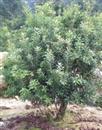
What are the main pests of bayberry (Chinese bayberry)? A detailed guide to integrated control methods
I. Bayberry crown gall disease 1. Symptoms: Bayberry crown gall disease is a bacterial disease. It mainly affects the branches and trunks of 2-3 year old fruiting trees, mostly forming tumors on the branches and trunks. The tumors are nearly spherical, varying in size, very hard and suberized, and brown to dark brown. Generally, the tumors on the branches and trunks begin to enlarge in early April, and in July-August...
-
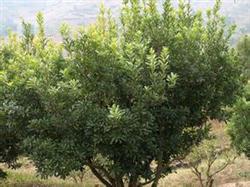
How to prune a bayberry tree after it bears fruit? A detailed guide to the method
For fruit-bearing trees that have not been shaped, first carry out large-branch pruning: saw off the upright branches in the upper part, branches where two trees cross, low branches that drag on the ground, densely growing branches inside the canopy, and overlapping branches. For multiple small branches sprouting from a single branch, remove the strong ones and keep the weak ones on the upper part of the canopy, and remove the weak ones and keep the strong ones on the lower part of the canopy. For crowded branches on the outer periphery, thin...
-
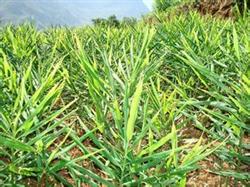
Detailed Guide to Harvesting and Seed-Saving Methods for Ginger
Ginger harvesting, based on the intended product use, is divided into seed ginger harvest, young ginger harvest, and mature ginger harvest. Seed ginger is generally harvested in late June, when the seedlings have 4-5 leaves; carefully loosen the soil and gently snap the connection between the seed ginger and the new ginger to remove the seed ginger. If harvested too late, digging damages too many roots, affecting the continued growth and...
-
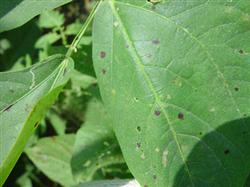
A Detailed Guide to the Main Diseases of Yardlong Beans and Their Control Methods
The main diseases of yardlong beans are leaf spot, fusarium wilt, phytophthora blight, root rot and rust; the insect pests include the legume pod borer, cutworm, thrips, leafminer and mites, and integrated pest management techniques should be used for control. The main methods for preventing and controlling diseases and pests are: choose fields that have not grown legume crops for more than two years for planting; clear weeds around the field...
-
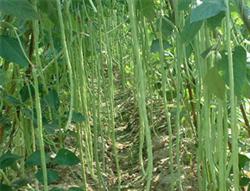
How to Grow Yardlong Beans? A Complete Guide to Scientific Cultivation Techniques
Extra-Early-Maturing Yardlong Bean - Zaosheng Wang. Zaosheng Wang yardlong bean was bred by Hunan Tiancheng Seed Industry Company. As the name suggests, it is the king among early-maturing yardlong beans. This variety is sown in February and reaches the market in April, becoming a sought-after vegetable on the market at that time, with high prices and good returns; 1 mu can match 3 mu of other vegetables. It has currently been promoted in Sichuan, Shanghai, Hunan, Hubei,...
条件筛选