-
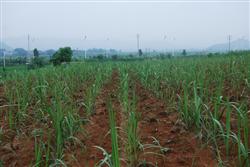
A Detailed Guide to the Nutrient Requirements and Fertilization Methods of Sugarcane
1. Using Phosphate Fertilizer. Phosphate fertilizer must be fully pulverized and thoroughly mixed and composted with garbage fertilizer or farmyard manure before application. In recent years, many sugarcane farmers have spread phosphate fertilizer directly into the furrows. This approach results in a phosphate fertilizer utilization rate of less than 10%, with more than 90% being fixed by the soil into unavailable phosphorus and wasted. The author suggests: apply 30-... of phosphate fertilizer per mu.
-

How to grow scallions for high yield? A detailed guide to high-yield scallion cultivation techniques
High-yield cultivation techniques for scallions
-
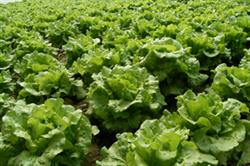
How to Grow Lettuce for High Yields? A Detailed Guide to Cultivation Techniques
Lettuce seeds are grayish-white or dark brown achenes, with a thousand-seed weight of about 0.8 to 1.2 grams. Before sowing, treat the seeds with 70% Dexon at 0.3% of the seed weight. Lettuce seeds have low temperature requirements for germination; seeds can germinate at around 4°C, so sowing can begin in late March. Before sowing, water the seedbed thoroughly, ...
-
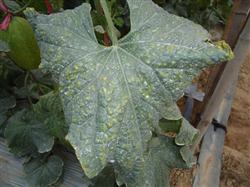
How to treat bacterial leaf spot in Hami melon? Detailed guide to chemical control methods
Bacterial leaf spot is a major disease of Hami melon. It can occur in both protected and open-field cultivation. In severely affected fields or greenhouses, the diseased plant rate can reach over 80%, and severely diseased plants die from the disease, significantly affecting production. The symptoms mainly affect the leaves, and in severe cases also infect the stems, vines and fruit. When leaves are infected, initially dark green oil-soaked small spots appear, with...
-
How to Grow Bitter Melon? A Detailed Guide to Key Bitter Melon Cultivation Techniques
Bitter melon is a short-day plant that likes warmth, loves light, tolerates heat and moisture, and does not tolerate shade. It is not strict about day length, and longer periods of light are beneficial to its good growth. It has relatively high requirements for soil moisture and air humidity, but does not tolerate waterlogging; it has wide adaptability and can be cultivated in many types of soil across northern and southern China. In recent years, some...
-
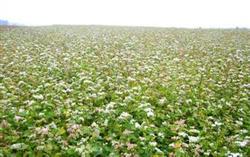
How to Grow Buckwheat for Stable and High Yields: A Detailed Guide to Cultivation Techniques
Buckwheat belongs to the phylum Spermatophyta, class Angiospermae, and the dicotyledonous family Polygonaceae. This crop has health benefits such as high nutritional value, a cooling effect, anti-inflammatory properties, aiding digestion, and delaying aging, with an average yield of about 100 kg per mu. Increasing buckwheat yields per unit area and boosting total production both play a positive role in driving the development of the food industry, processing industry, and the medical and health care industry...
-
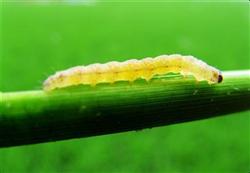
How to prevent and control common rice pests and diseases? A detailed practical guide
Rice bacterial leaf blight is a bacterial disease of rice leaves. The pathogen is Xanthomonas oryzae pv. oryzae in the prokaryote kingdom. The bacterium invades through wounds and water pores in the roots, stems and leaves, and reproduces and causes damage in the vessels of the vascular bundles. Seedlings and tillering stages are the most susceptible. Seedling leaves mostly show leaf blight symptoms. In susceptible varieties...
-

Complete Guide to Pest and Disease Control Measures for Cherry Tomatoes
The cultivation techniques are as follows: 1. Sow at the right time. This variety is suitable for autumn sowing; seedlings can be raised starting in late May to early June, transplanted in July, and harvested starting in September. To prevent the spread of seed-borne viruses, disinfect the seeds before sowing: wrap the seeds in gauze, soak them in a 15% trisodium phosphate aqueous solution for 10 to 20 minutes, then...
-

What to do when plastic bags pile up like a mountain at home? A 2-minute guide to convenient storage
Learn to grow flowers and plants, place a beautiful pot of fresh flowers, and grow your favorite fresh vegetables. Follow Play Some content comes from the internet. If it involves infringement, please contact the editor directly for removal 95.6% of users also followed this after reading this article...
-
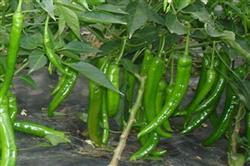
How to fertilize peppers scientifically in spring? A detailed guide
Selecting good seeds: Winter-spring season cultivation is essentially early-maturing cultivation, so attention must be paid to the early maturity of the variety while also considering high yield and disease resistance. Suitable varieties include Hongyingda, Andale, Shengfangzhou, as well as Bulgarian hot pepper and Sujiao No. 5. Land preparation and fertilization: apply 10000 kg of high-quality manure or compost per mu as a base dressing, and apply urea in furrows...
条件筛选