-

Detailed Guide to Identifying and Controlling Common Hawthorn Diseases
Common Hawthorn Diseases and Their Control
-
A Detailed Guide to the Techniques and Methods of Using Lotus Root Terminal Buds as Seed
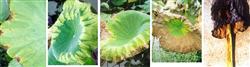
In recent years, some farmers in China have converted some low-lying fields to growing lotus root, which has a higher output value. According to surveys, lotus blight (also known as rot disease) occurs in some lotus fields and is the main disease of lotus root. Generally, diseased fields suffer a 20% reduction in yield, and in severe cases 60%-80%. 1. Damage symptoms: Lotus blight mainly damages the underground stem, causing it to turn brown and rot, first...
-
Detailed Guide to Lotus Root Cultivation: Master All Key Points of Cultivation and Management
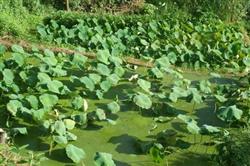
Lotus root belongs to the Nymphaeaceae family as a perennial aquatic plant, also known as pond lotus and furong. It prefers a warm, humid climate and requires ample sunlight, fertile deep soil, and an environment with adjustable water levels. Its fruit is called the lotus seed, its rhizome is called lotus root, and its flower is called the lotus. The main edible part is the rhizome. Lotus root is rich in nutrients and can be boiled, pan-fried, and...
-
How to Grow Lychee for High Yield? A Detailed Guide to Practical Cultivation Methods
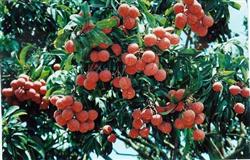
Site selection and planting: For high-yield lychee cultivation, open terrain with loose, fertile soil, a deep soil layer, and a water source on hills or slopes should be chosen, as this is ideal for developing a planting orchard. Lychee mycorrhizae are aerobic, so the soil should be loosened, improved, and made porous and well aerated to promote root development. Soil fertilization should follow the principle of frequent light applications. Spray in a timely manner...
-
A Complete Guide to Spring Planting Methods for Cherry Trees
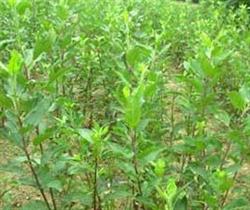
Cherry planting is generally done in spring after the soil thaws and before the saplings bud, mostly from mid-to-late March to early-to-mid April, planted close to the time before budding. When planting, pay attention to the following two points: 1. Selection and treatment of saplings. Before planting, select robust saplings with plump buds, well-developed root systems, and no pests or diseases. Then soak the saplings...
-
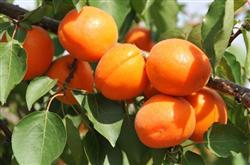
Detailed Guide to Plum and Apricot Tree Cultivation Techniques
I. High-Standard Orchard Establishment 1. Site Selection: Apricot trees are drought-tolerant but not waterlogging-tolerant, tolerant of poor soil, and light-loving, and their blooming period is prone to late frost damage. Therefore, when establishing an orchard, choose a plot that faces away from the wind and toward the sun, with higher terrain, good drainage, and deep soil. 2. Select Strong Seedlings: High-quality strong seedlings are the guarantee of survival rate and high yield...
-
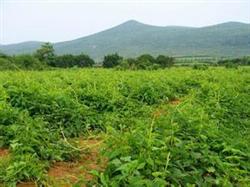
How to Fertilize Chinese Yam? A Detailed Guide to Scientific Fertilization Methods
During the seedling stage and the vine-spreading stage, Chinese yam mainly grows leaves and branches, so fertilizers should be mainly nitrogen-based. After budding, it enters the peak growth stage, the underground tubers begin to expand, and the fertilizer demand is relatively large. This is the key period for fertilization, and nitrogen, phosphorus, and potassium should be applied in combination. I. Base fertilizer. Choose a good field, and before plowing, apply 2000 kg-4000 kg of decomposed farmyard manure and 60 kg-80 kg of compound fertilizer per mu as base fertilizer, then plow the soil 30 cm deep and harrow it fine.
-
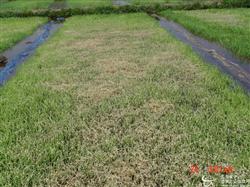
Diagnosis and Control Methods of Rice Seedling Rot: A Detailed Guide
Rice seedling rot is a general term for seed rot, bud rot and seedling death in rice caused by pathogen infection or non-pathogenic factors. It can be divided into two categories: infectious and non-infectious (physiological). Non-infectious seedling rot is mainly caused by adverse environmental conditions; infectious seedling rot refers to that caused by adverse environmental conditions inducing infection by Pythium, Achlya, Fusarium and other pathogens...
-
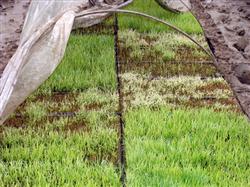
A complete guide to the basics of southern rice black-streaked dwarf disease
Rice seedling rot is the collective term for seed rot, bud rot and dead seedlings that occur at the seedling stage. Rice seedling rot can be divided into two types: physiological and infectious. Physiological seedling rot is mainly caused by low temperatures and mistakes or poor management practices in the seedling nursery; infectious seedling rot is caused by pathogen infection, and the main diseases include rice cottony rot, rice putrefactive disease and rice...
-
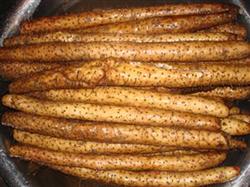
What are the nutritional properties of Chinese yam? A comprehensive guide in one article
Chinese yam, also known as huai shan, huai yam, huai Chinese yam, shuyu, Buddha's palm potato and so on, belongs to the Dioscoreaceae family and is a perennial vegetable. Chinese yam contains a large amount of protein, various vitamins, beneficial trace elements and carbohydrates. In addition, it also contains relatively many medicinal and health-promoting components, such as mucopolysaccharides, allantoin, dioscin, choline, salt...
条件筛选