-
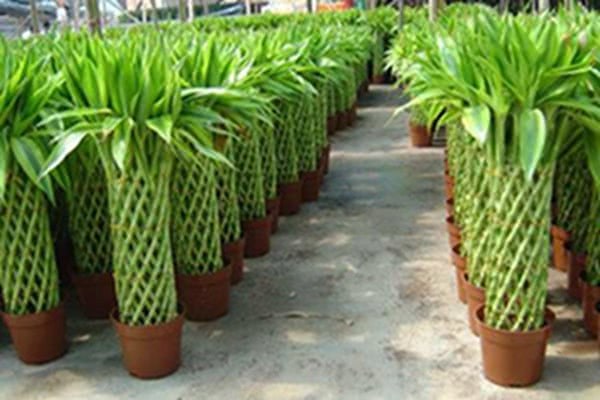
Can Lucky Bamboo Be Planted in Soil? A Detailed Guide to Soil Cultivation Methods
It can not only be grown in water, but can also be planted in soil. You can place the whole stalk in soil, or cut just 10 cm for planting, and it is best to use sandy soil. During soil cultivation, give it a temperature of 20-28°C, and it is best to place...
-
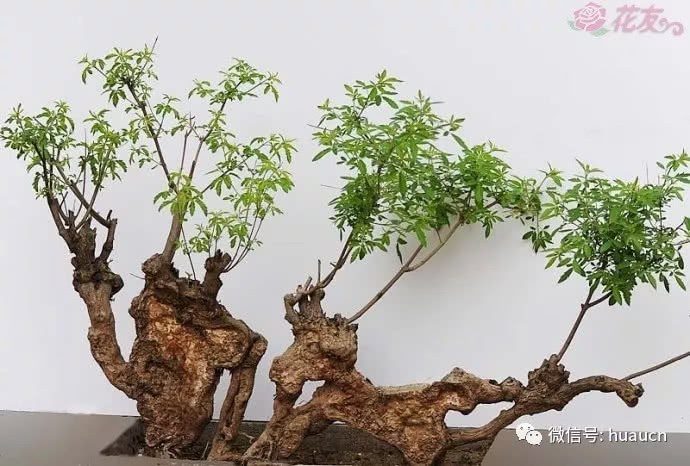
DIY Guide to Making a Vitex Twisted-Root Bonsai, with Extremely High Ornamental Value
Vitex twisted-root (Vitex negundo var. heterophylla) has characteristics such as liking sunlight but tolerating shade, liking warmth but tolerating cold, liking moisture but not tolerating waterlogging, and liking fertile soil but tolerating poor soil; it is an evergreen tree species. With its peculiar form, it can be appreciated both for its leaves and its shape, so it is an ornamental...
-
A Detailed Guide to Grafting and Pruning Techniques for Walnut Trees
Pruning Methods for Trees in Full Fruit Period Pruning of walnut trees refers to pruning in the broad sense, that is, both training and cutting. Trees of different ages have different pruning tasks. Pruning young trees is, on the basis of training the framework, to continue developing and maintaining a high-yielding tree form; pruning trees in the initial fruiting stage is to continue developing the scaffold branches at all levels well, make full use of auxiliary nurturing branches for early fruiting...
-
Detailed Guide to Spring Fertilization Methods After Pomelo Trees Bear Fruit
I. Fertilization for 1-3 year old young trees: To accelerate the growth of young trees and bring forward high yields, fertilization should be carried out multiple times in line with the pomelo tree's characteristic of sending out new shoots several times. Fertilizing before shoot emergence can promote shoot emergence and make the shoots grow robustly. Topdressing should mainly use quick-acting fertilizers. Fertilization method: apply frequently and in small amounts, with more fertilizer applied for spring shoots. The fertilization times are February, May and July respectively....
-
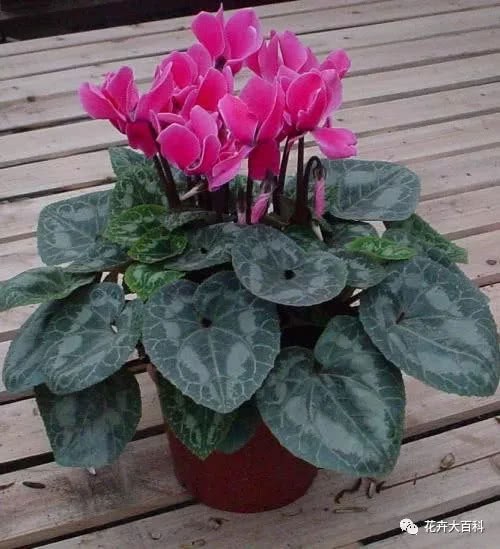
Detailed Guide to Caring for Cyclamen During Its Autumn Dormancy
It is around September when the weather turns cool, and this is when cyclamen enters its dormant period. At this time, give it a small amount of water, just enough to keep the soil moist, and also repot it with fresh soil without damaging the roots. Potted...
-
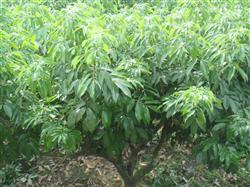
A Complete Guide to Key Lychee Spring Management Techniques
1. Thoroughly clean the orchard. First, cut down overly dense weeds and shrubs around and inside the orchard and clear them outside the orchard; second, thin out overly dense branches and diseased or pest-infested branches inside and outside the tree canopy and clear them outside the orchard; third, spray the whole orchard once with trichlorfon 600x solution + Yunsheng 600x solution to eliminate overwintering insect eggs and pathogens. Orchards with a water source should be irrigated as much as possible...
-
Detailed Guide to Spring Seedling Cultivation Techniques for Cherry Tomatoes
Cherry tomato, also known as small tomato, mini tomato, table tomato, etc., surpasses ordinary tomatoes in quality, flavor and nutritional value, and has become increasingly popular in the market in recent years. Its spring open-field seedling cultivation techniques are briefly introduced as follows: 1. Variety selection Generally, varieties such as Yichuanhong, Red Pearl, Shengnyu, Jinnü and others with good quality, excellent taste...
-
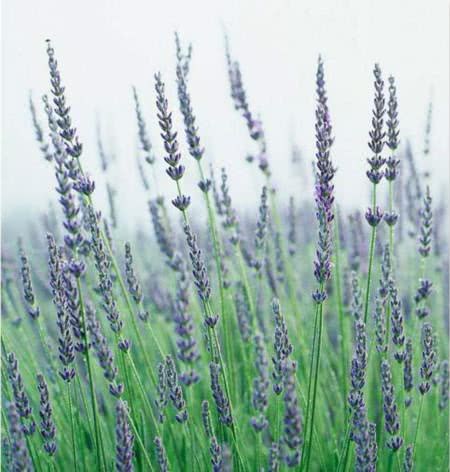
The Complete Guide to Lavender Varieties: Discover a Different Kind of Purple
Lavender (Lavandula) is a plant in the mint family, Lamiaceae, native to the low-rainfall regions along the Mediterranean coast. Most of the commonly cultivated species come from southern Europe and the Mediterranean region, and lavender is also distributed in the Canary Islands in the northern Atlantic, North Africa, and southwestern Asia...
-
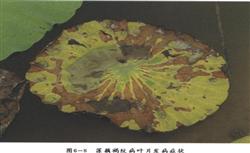
Detailed Guide to Identifying and Controlling Lotus Root Brown Streak Disease Symptoms and Control Methods
Lotus root brown streak disease is widely distributed and occurs in all regions, but it only harms lotus root. 1. Pathogen: This disease is caused by infection with fungi of the genus Alternaria in the Deuteromycotina. The pathogen overwinters in lotus fields as mycelium and chlamydospores with diseased plant residues, and produces conidia under high temperature and high humidity, spreading by wind and rain. 2. Symptoms...
-
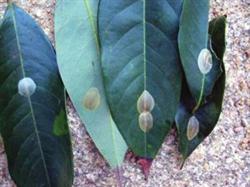
A Detailed Guide to the Key Points of Litchi Fruit Borer Control Techniques
The litchi fruit borer is a major pest of longan and litchi. Its larvae bore into and damage tender shoots, flower clusters and fruit. Damage during the young fruit stage causes severe fruit drop, and damage at maturity leaves the fruit stalk filled with insect frass, affecting quality. When tender shoots and flower clusters are damaged, their tips wither, affecting new shoot growth and the following year's flowering and fruiting. This pest occurs in southern Fujian...
条件筛选