-
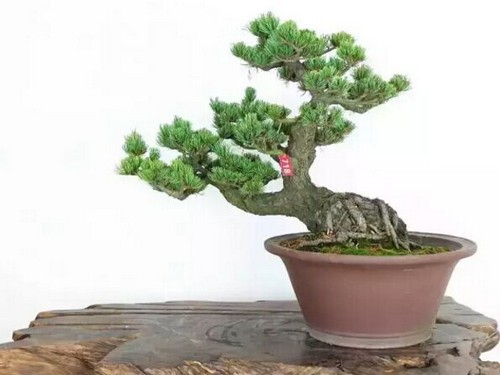
A Detailed Guide to the Correct Fertilization Methods for Pine Bonsai
In the wild, pines mostly grow in barren or high-altitude areas. They are a sun-loving (heliophilous) pioneer tree species, which is to say that pines do not need much fertilizer to grow well. In horticultural cultivation, however, fertilizer is still applied in order to make the trees grow quickly and shorten the cultivation time.
-
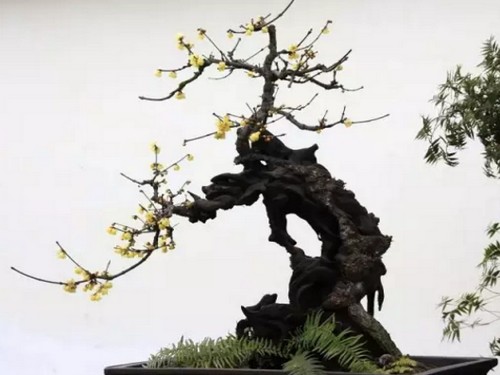
How to shape a wintersweet bonsai? A detailed guide to practical methods
In Yanling, Henan, the hometown of wintersweet, traditional wintersweet bonsai forms include single-trunk plum, dragon plum, knot plum, single-hanging-branch plum, double-hanging-branch plum, round-hanging-branch plum, screen-fan plum, and pearl upside-down roller blind, among others. It can be shaped by training and wiring young trees, or by using old, rugged dog-tooth wintersweet stumps as rootstock.
-
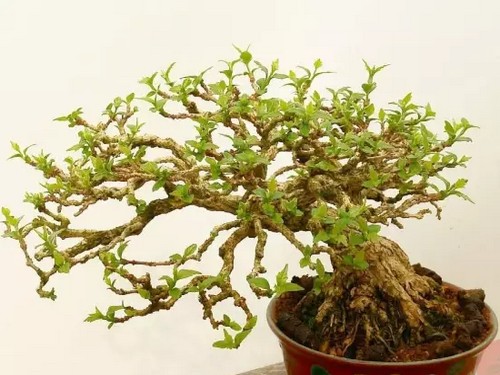
A Detailed Guide to Bonsai Pinching Techniques: Methods and Key Operation Points
Pinching, also known as topping, refers to removing the terminal bud of the shoot tip on a plant's main stem or lateral branch. It can remove the plant's apical dominance, inhibit the growth of the main branch, encourage the plant to produce more lateral branches, promote dwarfing of the plant, enrich the plant's form, and increase the sites and number of flowers. Pinching can also adjust the plant's vegetative growth
-
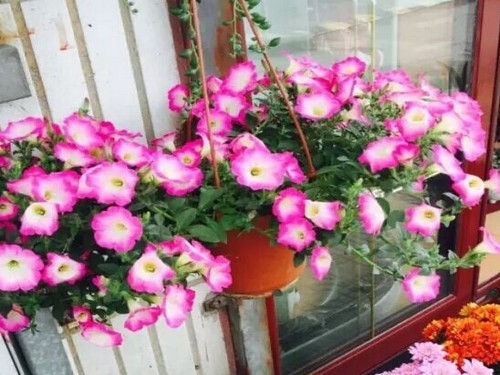
Detailed Guide to Pinching and Topping Techniques for Bonsai and Flowering Plants
Pinching means using your fingers to nip off (or cut off) the growing tip of the main stem or side branch of a flowering plant, to encourage axillary buds to sprout or to suppress leggy branch growth, so the plant grows sturdy and attractive with more flowers. For common herbaceous flowers, such as scarlet sage, snapdragon, five-color pepper, and Madagascar periwinkle, once the seedlings have established after planting and the plant height is about 10 cm
-
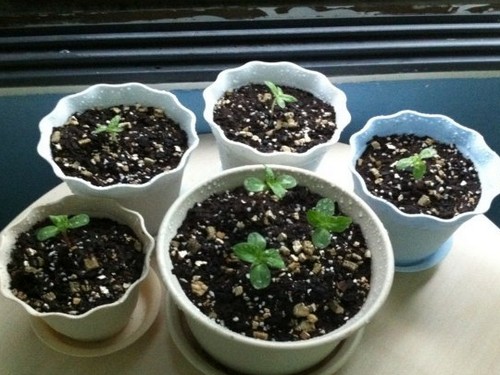
A Complete Guide to Planting Sunflower Seeds
How do you grow sunflowers? Growing sunflowers well is actually very simple - you don't need a very large pot, you don't need much soil, and you don't even need much care. Give it a try too! Step one: choosing seeds. Choosing seeds is very important. Sunflowers come in different varieties, including edible types, the kind that produce sunflower seeds, which are said to be able to grow up to 3 m tall, and of course
-
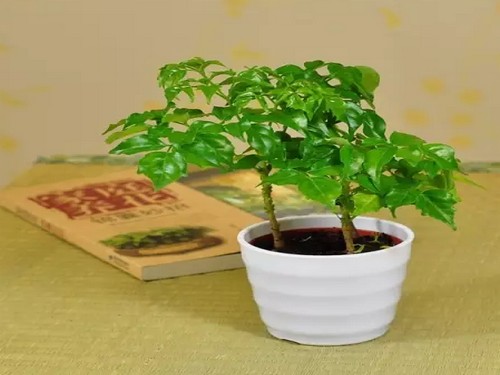
How to Propagate the Radermachera (China Doll)? A Detailed Guide to Common Propagation Methods
The main propagation methods for the Radermachera are seed propagation, cutting propagation and layering propagation. High-quality Radermachera seedlings are mainly propagated from seed, generally using plug trays with about 50 cells, sowing 10-15 seeds per cell. When the seeds germinate, they usually do not need to be covered with anything. However, to ensure the humidity needed for germination
-
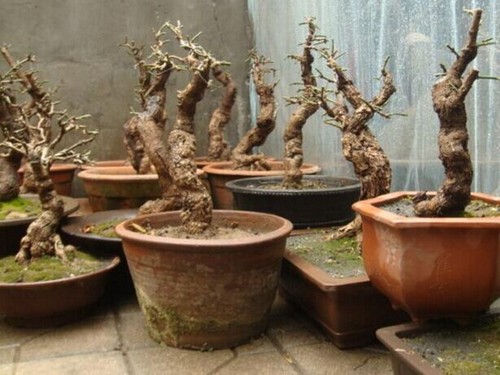
Detailed Guide to Winter Jasmine Propagation Techniques: Common Methods and Key Points
Winter jasmine (Jasminum nudiflorum) grows rapidly and is very suitable for making bonsai. Select a thick, sturdy old winter jasmine stump, plant it in a cylindrical pot, expose the roots and claws, bind it moderately, and let the trunk droop; within just a few years, an elegant and graceful cascade-style bonsai can be formed. Alternatively, select a small stump about the thickness of a thumb, wrap the lateral roots around a rock, and bury it in soil
-
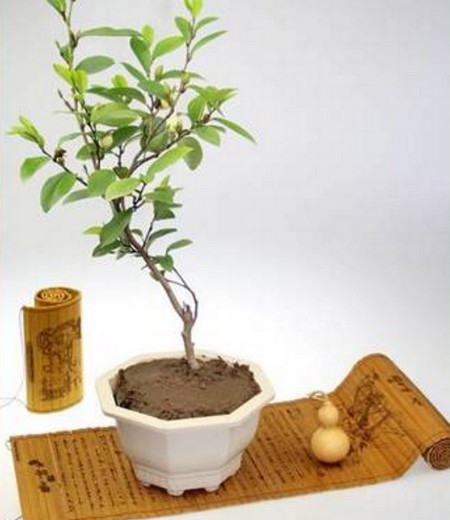
Detailed Guide to Pruning Methods for Banana Shrub (Michelia figo) Bonsai
Banana shrub (Michelia figo) prefers light shade, is not tolerant of drought or exposure to the sun, favors deep, fertile, acidic soil, can withstand cold, and is best planted in a slightly sheltered spot. The fertilizer and water management for potted banana shrub is similar to that of wintersweet (Chimonanthus praecox), except that it is more shade-tolerant than wintersweet and requires higher air humidity and soil moisture. When the temperature is high, its flowers give off a strong banana scent.
-
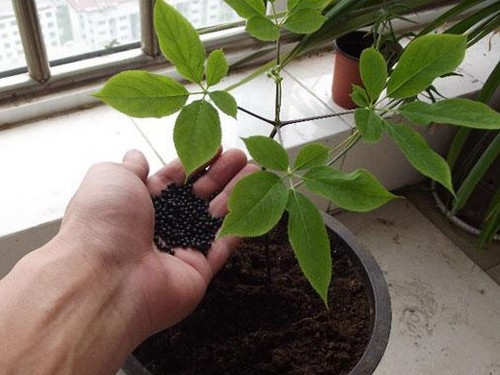
How to sow potted flowers? A detailed guide to sowing methods
Protecting the environment is a virtue. But if you can perfectly combine some eco-friendly little gadgets with your potted plants, it is undoubtedly the icing on the cake. After preparing the flowerpot, soil, small trowel and seeds, you can plant them yourself and contribute your own strength to protecting the Earth's environment.
-
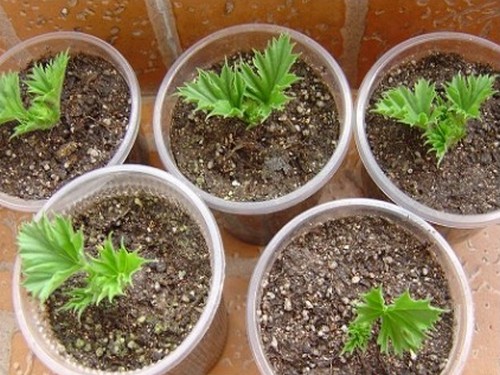
A detailed guide to geranium propagation methods that even beginners can easily master
Geranium flowers cluster densely into balls, with colors ranging from red, white, pink, and purple, offering many variations. There are single-petaled and double-petaled types, as well as variegated-leaf varieties with white, yellow, and purple markings on the leaves. Potted plants are suitable for indoor and outdoor decoration, and can also be used as spring flowerbed flowers. Geraniums are excellent potted plant material
条件筛选