-
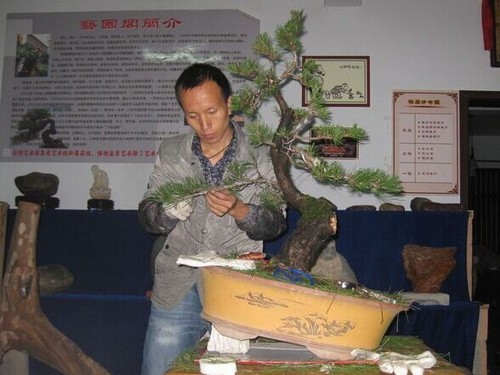
A Detailed Guide to the Pruning and Styling Methods for Black Pine Bonsai
The pruning and styling of black pine bonsai is mainly achieved through pruning and wiring; methods such as grafting and forcing buds on young shoots can only serve as auxiliary techniques. The black pine to be styled must have already been cultivated for 1-2 years: the best time for styling is from December to February of the following year.
-

Detailed Guide to Seed Propagation Methods for Clivia Bonsai
Clivia seed propagation involves unique techniques. The propagation time for Clivia is generally from November to February of the following year. The key to propagation is temperature control. The propagation temperature is generally between 20-30°C, and there should be a certain temperature difference. This ensures fast and even germination. Before propagation
-
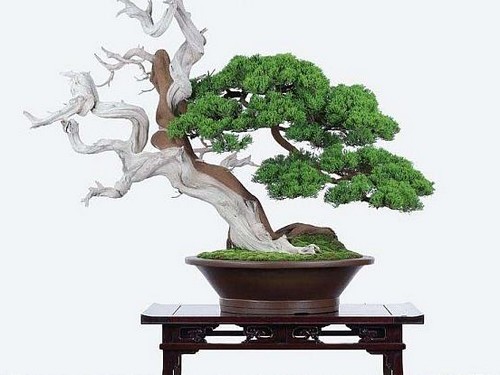
A Complete Guide to the Styling Methods and Techniques of Chinese Swamp Cypress Bonsai
The Chinese swamp cypress (Glyptostrobus pensilis) is hailed as a "living plant fossil." It is a deciduous or semi-deciduous tree of the genus Glyptostrobus in the family Taxodiaceae; the genus contains only this 1 species. It is a relict plant of the world and a tree species endemic to China. It first appeared in the Mesozoic Era more than 100 million years ago, in the same era as the dinosaurs. According to botanists, in coastal areas such as Fujian, being able to find even a few or even a single Chinese swamp cypress is already extremely rare.
-
How to Water a Bonsai Ficus? A Detailed Guide to Practical Tips
A bonsai ficus should generally be placed in a spot with good ventilation and light. If the soil is sandy, you can water it a bit more; if the soil is clayey, water it less, because clayey soil drains poorly and too much water will cause the roots to rot. There needs to be a certain level of humidity in the air. If sunlight is insufficient, ventilation is poor, and there is no certain humidity in the air
-
How to prune stump bonsai? A detailed guide to the correct pruning method
Bonsai trees are still growing continuously. If they are allowed to grow naturally without suppression, it will inevitably affect the tree's shape and cause it to lose its artistic value. Therefore, timely pruning is necessary: long shoots should be cut short, and dense shoots should be thinned out, so as to maintain a graceful tree shape and appropriate proportions. Tree bonsai often produce many new branches, and to maintain their attractive shape
-
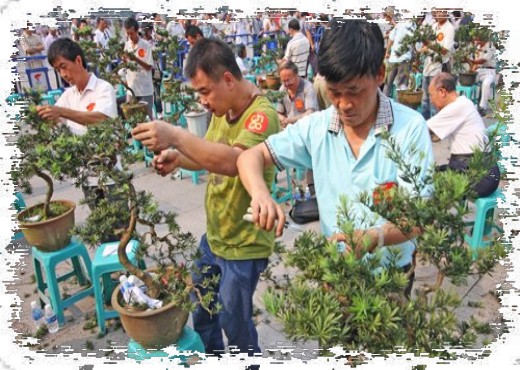
A Detailed Guide to the Processing and Shaping Methods for Bonsai Tree Stock
Seedlings grown from a young age generally begin to be processed and shaped after about 3 to 5 years; for tree stumps collected from the mountains and wilds, most can be processed and shaped after just one year of stock cultivation. Before processing, field-grown tree stock can be dug up and temporarily planted in a pot of basically suitable size, to make it easier to work with and shape. Large tree stock can also be processed and shaped on the spot.
-
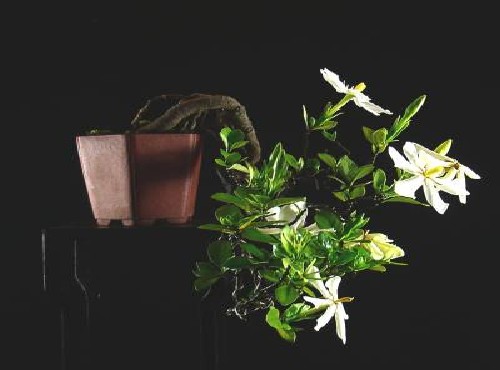
How to Water a Gardenia Bonsai? A Detailed Guide to the Correct Method
Gardenias like moisture. If the air humidity drops below 70%, it will directly affect flower bud differentiation and the growth of flower buds, but too much moisture will cause root rot, withered branches, yellowing leaves and leaf drop. In addition to normal watering, you should often spray the leaves and the nearby ground with clean water to appropriately increase air humidity. Gardenia is also called water gardenia
-
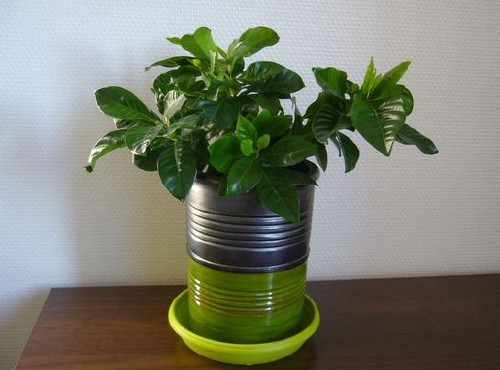
Detailed Guide to Fertilizing Methods and Techniques for Gardenia Cultivation
Gardenias love fertilizer. When grown in pots, besides applying organic fertilizer as a base fertilizer when repotting, they should also be top-dressed frequently during the growing period, and it is best to apply light fertilizer frequently. During the growing period, apply an organic liquid fertilizer once about every 10 days, preferably cake fertilizer water at a concentration of 10%-15%; after buds appear, apply 2-3 additional doses of quick-acting phosphorus fertilizer
-
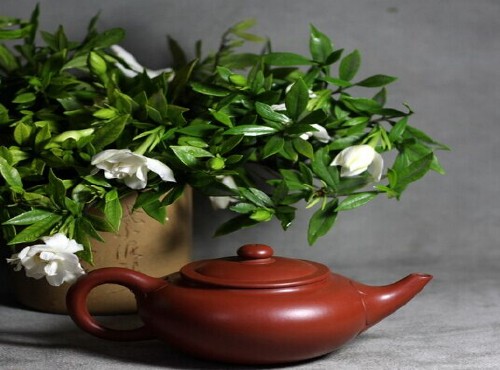
A Detailed Guide to Pruning and Shaping Gardenia
The gardenia is native to the provinces and regions south of the Yangtze River basin in our country. It likes warmth and humidity, is fairly cold-tolerant, with an optimum growing temperature of 18-28°C, and winter temperatures not lower than -10°C. It likes light but also tolerates partial shade; direct strong sunlight, high temperatures plus overwatering easily cause yellowing of the lower leaves, and even the death of the whole plant
-
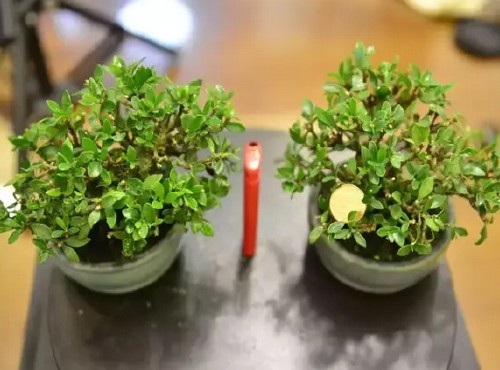
Detailed Guide to Leaf-Control Pruning Methods for Gardenia Bonsai
Gardenia is a fairly easy bonsai species to get started with. It tolerates pruning well, full sun is no problem, and growing it in shade rarely causes major issues (it just grows poorly). It tolerates waterlogging, so heavy watering and heavy feeding are fine, and a bit of dryness is fine too. When it comes to Japanese shohin bonsai, players generally choose it for 2 reasons. First, the cultivars are impressive, so they play for the cultivars. Second
条件筛选