-

Detailed Guide to Propagating Dwarf Burning Bush in Pots
Dwarf burning bush (Euonymus alatus 'Compactus') is a cultivated variety, a deciduous small shrub. The plant grows 1.5-3 m tall. Its leaves are dark green in summer and turn flame red in autumn. The tree is heavily branched with neat, uniform growth, and the top of the canopy is relatively flat. It grows slowly and has a full, rounded form. It is fairly easy to care for and maintain, highly adaptable, and cold hardy. The leaves turn bright red in autumn.
-
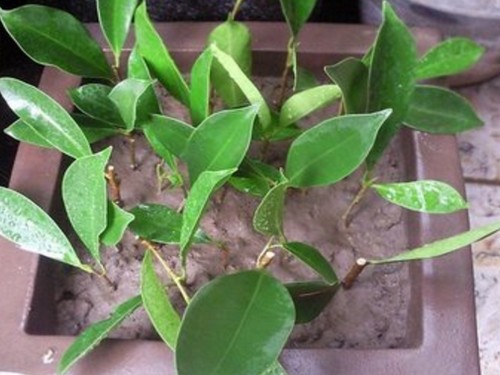
How to Propagate a Potted Ficus? A Detailed Guide to Common Propagation Methods
Ficus is an evergreen plant in the Moraceae family, with an elegant, expansive canopy and aerial roots that can form a forest from a single tree. It tolerates shade as well as sun, and moisture as well as drought. It has many varieties and is easy to shape, making it an excellent tree species for soil and water conservation, urban greening, and bonsai creation. Common propagation methods for Ficus include cuttings, layering, and buried layering. In northern greenhouses,
-
A Detailed Guide to Propagating Mimosa pudica (Sensitive Plant) from Seed
A notable feature of Mimosa pudica (sensitive plant) is that its leaves are extremely sensitive and capable of thigmonastic movement: a light touch with the hand makes the small leaflets immediately fold together from left to right; with a firmer touch, even the pinnae and the petiole droop down at 60 degrees. At night it likewise assumes a dormant, drooping posture, and it shows the same response to sudden cold or electrical stimulation.
-
How to Propagate Dahlias? A Detailed Guide to Common Propagation Methods
Dahlia is a perennial herbaceous flower in the genus Dahlia of the family Asteraceae (Compositae), native to Mexico and the national flower of Mexico. It has a great many varieties, rich colors, and varied flower forms, symbolizing elegance and splendor. It is a world-famous flower, with about 30,000 cultivated varieties, available in almost any color, and found in gardens all over the world.
-
Detailed Guide to Pruning Dahlia Bonsai
Even the most beautiful flowers can grow lopsided, so you need to learn how to prune. For pruning potted dahlias, you should prune flexibly according to the variety. Generally, large varieties use the single-stem training method, while medium varieties use the four-stem training method. Single-stem training means keeping the terminal bud and removing all axillary buds so that nutrients are concentrated.
-
Detailed Guide to Bud Forcing Techniques for Boxwood Bonsai: Easily Promote New Bud Growth
Boxwood bonsai is prized as an artistic treasure for its small, evergreen leaves and slow growth that makes it easy to maintain its shape. Generally speaking, boxwood bonsai material is mostly collected from wild old stumps growing by the water. Boxwood stays glossy green year-round and is commonly planted in purple clay pots, with pot colors mostly purple or light yellow. The pot shape depends on the styling form. In spring, the tender leaves of boxwood bonsai first emerge
-
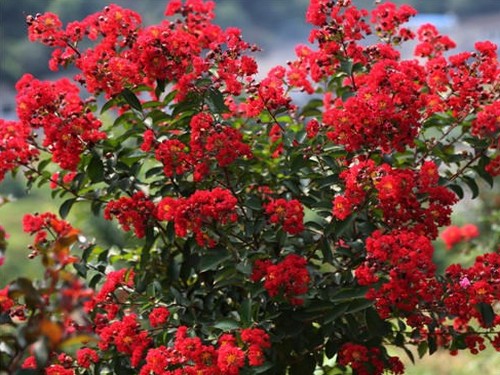
How to prune a Red Rocket crape myrtle bonsai? A detailed guide to practical techniques
The quality of flower cultivation and planting directly determines its later growth and indirectly affects its market recognition and selling price, so we need to have a comprehensive understanding of flower planting in order to take flower cultivation to an even higher level. This is just like the cultivation of Red Rocket crape myrtle
-
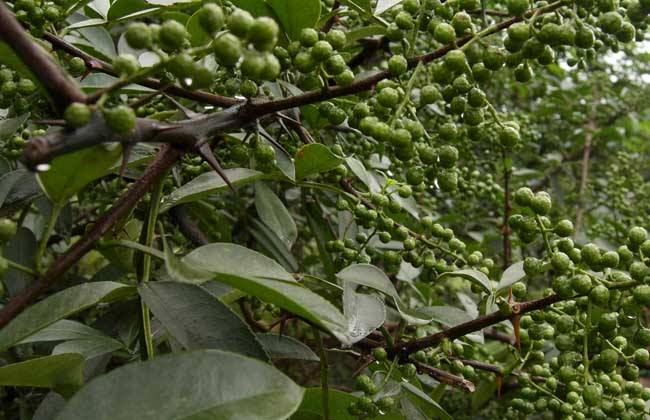
When to Harvest Sichuan Peppercorns? Detailed Guide to Harvest Time and Methods
Harvest Time and Methods for Sichuan Peppercorns
-
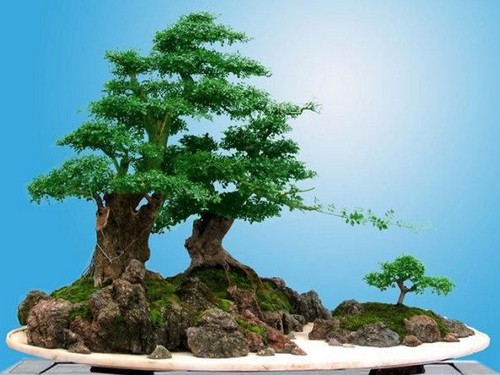
A Detailed Guide to Scientific Fertilization Methods for Chinese Ash (Fraxinus chinensis) Bonsai
During the growing season, apply light fertilizer frequently. To facilitate absorption by the tree and avoid wasting fertilizer solution, it is best to apply once every 5-7 days. Fertilization is generally carried out on a sunny afternoon when the potting soil is on the dry side, and after application, water to rinse the leaves. On rainy days when the potting soil is wet, the tree roots cannot breathe well, and after fertilization the roots do not absorb it easily; in strong sun: even in the hottest days of the dog days of summer
-
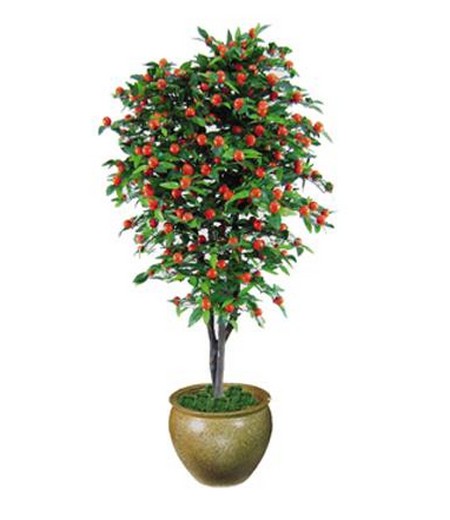
How to prune a potted kumquat bonsai? A detailed guide to the method
Potted kumquats differ considerably from garden-planted kumquats in cultivation methods, and their pruning methods also have their own characteristics. After March, most of the kumquat's fruit falls off naturally; remove the remaining fruit by hand to save nutrients, and at the same time thin out overly dense branches, crossing branches, some leggy branches and branches inside the canopy that receive no light
条件筛选