How to sow potted flowers? A detailed guide to sowing methods
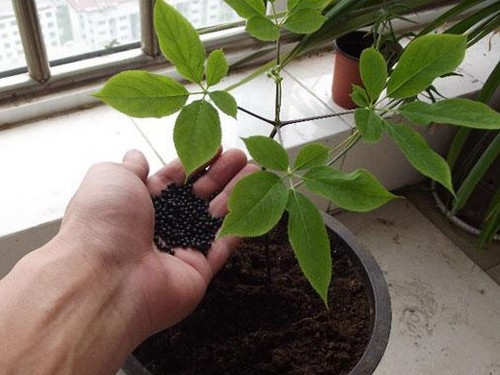
Protecting the environment is a virtue. But if you can "perfectly combine" some "eco-friendly" little gadgets with your potted plants, it is undoubtedly the icing on the cake. After preparing the flowerpot, soil, small trowel and seeds, you can plant them yourself and contribute your own strength to protecting the Earth's environment. The specific sowing methods are as follows:
1. Sowing density
When sowing in plug trays, you can sow 1 or more seeds per cell according to the actual situation. When sowing in seedling trays, for general varieties you can sow 1-2 thousand seeds per square meter. First divide the seeds evenly into several portions according to the area of the seedling tray, one portion per tray.
2. Sowing
Larger seeds can be evenly broadcast on the substrate, or sown in drills. Smaller seeds such as petunia and snapdragon can first be mixed evenly with clean fine sand before sowing. Especially large seeds such as sweet pea and cyclamen can be sown in individual spots.
3. Sowing depth and covering with soil
The sowing depth is determined by the size of the seeds and the light requirement for seed germination. Generally, the sowing depth of seeds is 2-3 times the seed diameter. Some varieties such as petunia, Torenia fournieri, pentas and wax begonia need light to germinate and do not need to be covered with substrate; just sow them directly on the soil surface. Some varieties need light covering, such as scarlet sage, snapdragon and Cuphea hyssopifolia. Some seeds should be covered a little more thickly and sown deeper, such as ornamental millet. The recommended covering material is coarse vermiculite, which has very good water retention and air permeability.
4. Spraying water
After sowing or after covering, spray water once more with a fine mist nozzle, watering thoroughly so that the seeds make full contact with the substrate and the covering material.
5. Covering
Covering the sowing pot with glass, plastic film or plastic sheeting can maintain air humidity and can also keep and raise warmth in winter. In summer the film can be omitted, and even if covered it must not be sealed; both sides must be ventilated.
6. Shading
If sowing in summer, shading is essential; otherwise the light is too strong and water evaporates vigorously, which will affect seed germination.
Now that you understand whether different seeds like light, let's talk about an important factor that must be considered when sowing: the season. Different flowers and plants have different sowing seasons, generally spring and autumn, while some can only be sown in autumn or spring. I have seen some flower enthusiasts who, upon seeing someone else's beautiful flowers, hurriedly buy seeds and sow them. This approach is foolish. Some flowers fear heat, and if sown in summer they are doomed to fail.
1. Choose loose, breathable soil (generally fine peat, turf or leaf mold) and put it into a flowerpot or sowing tray.
3. Water the soil thoroughly and sprinkle the seeds evenly on the soil surface (you can also soak the pot after sowing).
4. Fine seeds (such as thyme, petunia, cineraria, begonia seeds, etc.) do not need to be covered with soil when sown, but be careful to maintain soil moisture. Use a fine-spouted spray bottle to spray water in mist form to keep it moist; a strong stream of water can easily wash the seeds away or wash them deep into the soil layer, and fine seeds cannot easily push through the soil to sprout. Large seeds should be covered with soil to a thickness 2-3 times the size of the seed.
5. The suitable germination temperature for most seeds is 20-25 degrees. It should be noted that some seeds can only germinate under low-temperature conditions, such as Persian buttercup and delphinium. For most herbs and seeds sown in autumn and winter, the temperature should not be higher than 25 degrees, and for seeds sown in spring and summer it should not be lower than 20 degrees. If the temperature cannot be reached, use plastic wrap to raise the temperature; plastic wrap also has a moisture-retaining effect. In summer, all seeds should be placed in a cool place, shaded from light and rain. In winter, attention should be paid to keeping warm and preventing frost damage. Before seeds germinate they have not yet grown roots, so water must be supplied artificially to sustain life; the soil should remain moist but not waterlogged.
6. If covered with plastic wrap, remove it promptly after the seeds germinate, and promptly move the flowerpot to a place with scattered light so it can receive light. After the seeds germinate, promptly apply some liquid fertilizer, such as potassium dihydrogen phosphate, at a concentration of about 200 times; the concentration should not be too high. After they grow a bit larger, apply fertilizer according to the plant's growth condition.
7. When the seeds have grown 2-3 leaves, they can be transplanted; when they have 5-6 leaves, plant them out promptly. Before planting out, put a little decomposed organic fertilizer (see here for homemade organic fertilizer) and slow-release granular fertilizer (such as compound fertilizer) in the flowerpot.