-
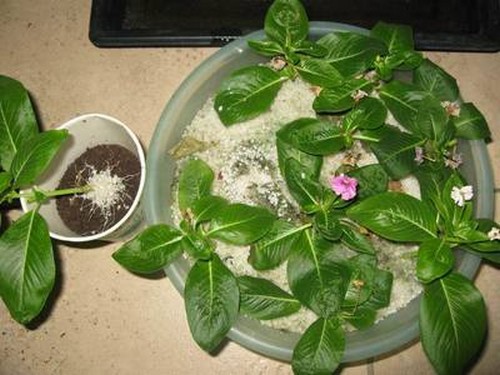
Detailed Guide to Periwinkle (Catharanthus roseus) Cutting Propagation Methods and Techniques
For periwinkle cuttings, generally in spring or early summer, take softwood shoots 8-10 cm long, remove the lower leaves, keep 2-3 pairs of leaves at the tip, insert into a sand bed or leaf mold, keep the cutting medium slightly moist, at a room temperature of 20-24°C, roots will form 15-20 days after cutting. Cuttings are mostly taken from April to July.
-
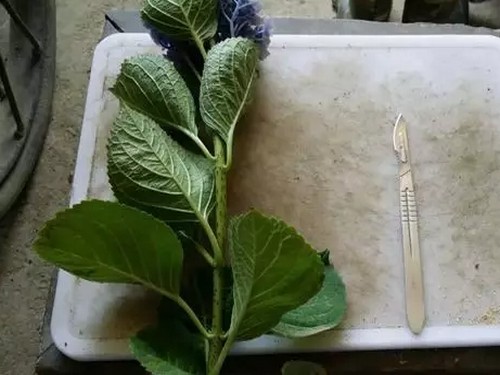
Detailed Guide to Hydrangea (Bigleaf Hydrangea) Cutting Propagation
Hydrangeas can be propagated by division, layering, and cuttings, but cuttings are generally the most commonly used method. For early spring cuttings, one-year-old dormant branches can be used as cuttings; for cuttings taken from May to August, new branches of the current year can be used. The cuttings should be about 10 cm long with 2 to 3 nodes, and the rooting medium is plain sand or vermiculite
-
Detailed Guide to Propagating Flowering Quince: Easy to Learn at a Glance
Flowering quince is commonly propagated by division and cuttings; sowing and layering are also possible but rarely used. Best propagation time: spring, summer, or autumn, with spring being the best. 1. Seed propagation: Sowing flowering quince can produce large quantities of uniform seedlings, but it is difficult to maintain the original cultivar characteristics.
-
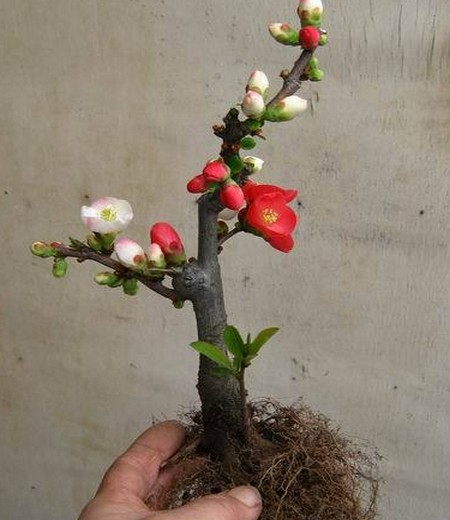
Detailed Guide to Cutting Propagation of Chaenomeles speciosa, Easily Master the Propagation Technique
Chaenomeles speciosa, a unique specimen ornamental tree, is named for its extremely short pedicels, with flowers clinging closely to the branches. Its scientific name is Chaenomeles speciosa, also known as tiejiao pear, a deciduous shrub of the Rosaceae family, genus Chaenomeles. The flowers of Chaenomeles speciosa bloom in clusters of three to five, with extremely short pedicels clinging tightly to the branches, hence the name
-

Detailed Guide to Seed Propagation Techniques for Elderberry: Mastering the Key Points of Seedling Cultivation
Elderberry, also known as Gongdao Lao, is a deciduous shrub to small tree of the genus Sambucus in the honeysuckle family (Caprifoliaceae), widely distributed across both northern and southern parts of China, and is a perennial clumping shrub. The flowers are white, and the fruits are bright red like fire, covering the entire tree and persisting. It has strong adaptability, is drought-tolerant, tolerant of poor soil, and can withstand low temperatures of -50°C.
-

A Detailed Guide to Calla Lily Propagation Methods, Easy for Beginners Too
Propagation is mainly by offset division. After the plant enters its dormant period, peel off the small corms around the tuber and plant them separately. It can also be propagated by seed, sowing the seeds in pots as soon as they mature. The optimum germination temperature is around 20°C. Calla lilies are usually planted as corms after autumn. For bed planting, the row spacing is 25cm and the plant spacing is 10cm
-
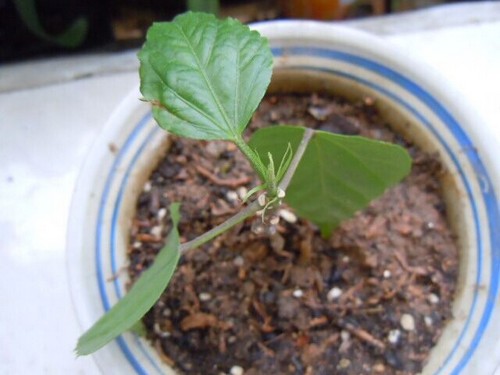
Detailed Guide to Hibiscus Cutting Propagation, Master the Method Easily
Hibiscus is deeply loved by everyone. If there are some walls at home, or even a corner that is not very attractive, you can plant a hibiscus there. It grows very fast and can immediately fill in the corner. Moreover, its roots will not damage the wall foundation. However, it cannot be planted too close to a window, because it grows very fast
-
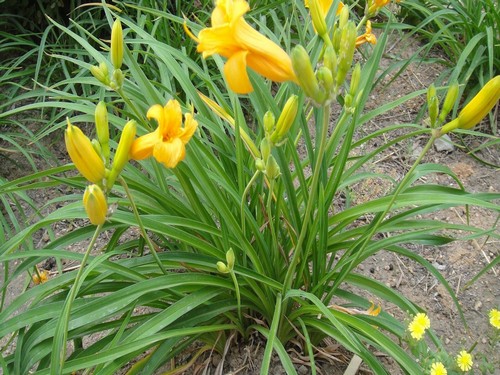
What are the propagation methods for daylilies? A detailed guide
The daylily is distributed from southern Europe through northern Asia all the way to Japan, but its main production area is the Yangtze River basin in China. It has wide adaptability, prefers moisture but also tolerates drought, likes sunlight but also tolerates partial shade, and can grow in ordinary soil, but sandy loam that drains well and is rich in humus is best. New shoots sprout in early spring
-
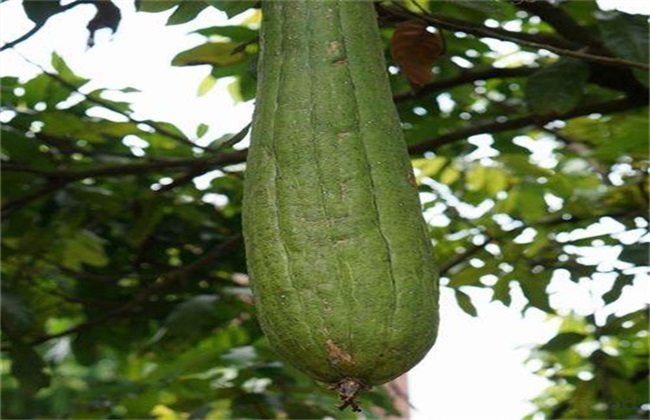
A Detailed Guide to Saving Loofah Seeds: How to Select High-Quality Seed Gourds
How to Save Loofah Seeds
-

What are the propagation methods for tulips? A guide to easy mastery
Home tulip planting is usually done in patches or with multiple plants, set in a garden plot. Every April, the garden fills with blooms and the fragrance is captivating. Do you envy other people's tulips? Follow the methods below, and you too will become the one others envy! How do tulips propagate?
条件筛选