-
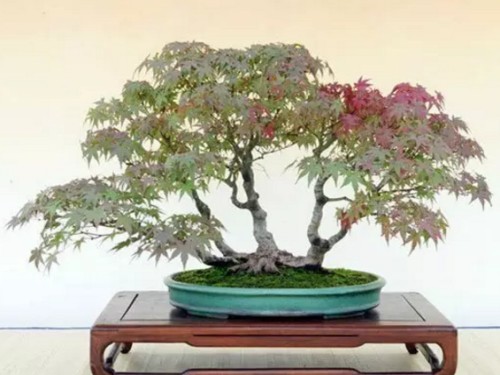
A detailed guide to making maple bonsai, easy for beginners to learn
Maple trees are widely found in the wild, and for making bonsai, old stumps or young trees are usually dug up from the mountains and wilds. Maple's new branches are long and flexible, and can be wired into various styles of bonsai. Common ones include the straight-trunk style, slanting-trunk style, curved-trunk style, double-trunk style, and waterside style. Maple styling is mainly based on pruning, with wiring as a supplement. Maple leaves are relatively large
-
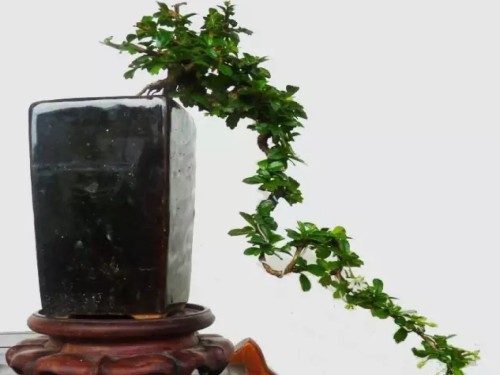
A Complete Guide to the Key Techniques for Making Fujian Tea Bonsai
Fujian Tea, also known as Jijishu or Maozaishu, is an evergreen shrub in the Boraginaceae family. Its leaves are small, oblong-elliptical, deep green and glossy. In spring and summer it bears small white flowers, and its drupe is spherical, initially green then turning red. Its trunk is rugged and gnarled, full of twisted grace, with an elegant tree form, making it one of the 4 major Lingnan bonsai tree species.
-
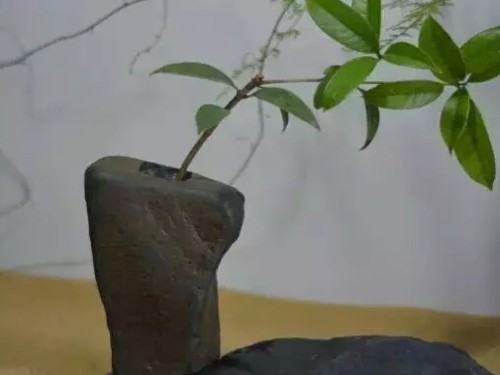
A detailed guide to making stone bonsai, easy for beginners to learn too
Although green plant bonsai are merely an accent, they complement elegant stones so well, just as naturally as wildflowers and grasses growing at the foot of a mountain or beside a stream. They not only retain a natural feel but also add a touch of elegance and refinement; without the mess and disorder of wild growth, they are even more pleasing to the eye. Stone bonsai
-
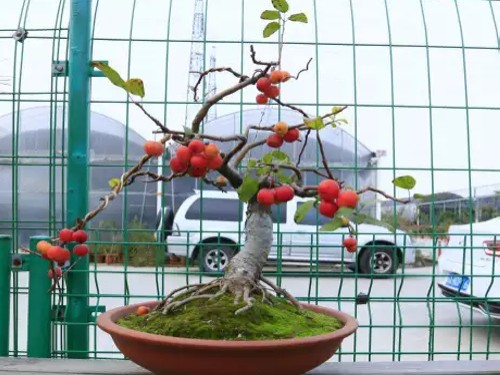
Detailed Guide to Making a Winter Red Fruit Bonsai
Winter red fruit, also known as longevity fruit, is a deciduous shrub or small tree of the genus Malus in the rose family (Rosaceae). Its branches are grayish-brown, with alternate single leaves that are oval to broadly oval, green, and have rounded blunt serrations along the edges. The inflorescence is a corymb, with light pink flowers that bloom in March-April. The fruit is oval-spherical, initially green, later gradually turning yellow
-
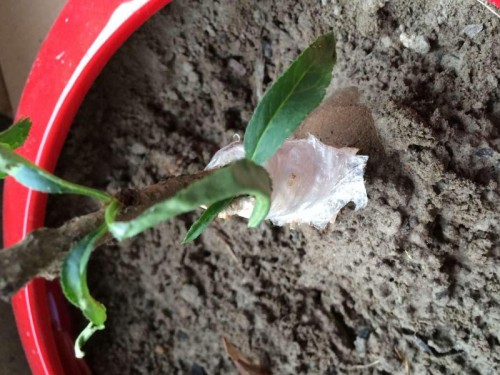
Detailed guide to the quick method for making peach tree bonsai, quickly master the key techniques of creation
A pot of peach tree bonsai with red flowers blooming in competition welcomes spring and blooms, red as fragrant beads, brilliant as rosy clouds, adorning the home, conveying the meaning of spring. Give it to leaders, give it to bosses, wishing them great prospects; give it to elders, give it to seniors, wishing them health and longevity; give it to young men, give it to young women, wishing them a bountiful harvest of love; give it to relatives, give it to friends, wishing them constant good luck
-
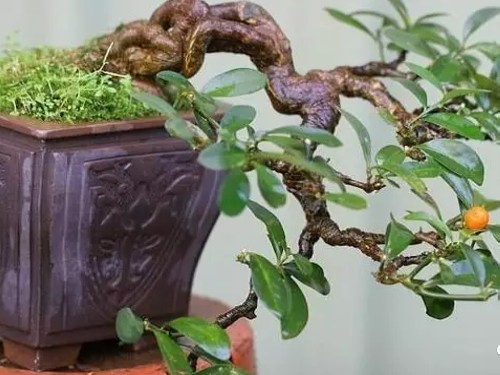
Detailed Guide to the Production Methods and Steps of the Fortunella hindsii Bonsai
Fortunella hindsii and kumquat both belong to the Rutaceae family. Fortunella hindsii is the variety that bears the smallest fruit among Rutaceae plants. It originated in the Taizhou area of Zhejiang and is a wild shrub. Fortunella hindsii is highly vigorous by nature, preferring slightly acidic soil, sunlight, and a warm, humid environment. It is easy to cultivate anywhere south of the Yangtze River. The Fortunella hindsii plant is short and small, making it suitable for bonsai.
-
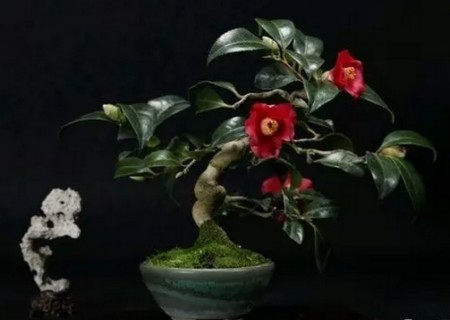
Detailed Guide to the Methods and Steps of Making Camellia sasanqua Bonsai
Camellia sasanqua is an evergreen shrub of the genus Camellia in the family Theaceae. Because its flower shape combines the characteristics of camellia and plum blossom, it is called "tea plum". Gao Lian of the Ming Dynasty once wrote a poem titled "Plum Blossom Tune: Tea Plum": "The flower is, after all, one with the plum" - with just a few strokes, he captured the spirit of the tea plum, which resembles both camellia and plum blossom.
-
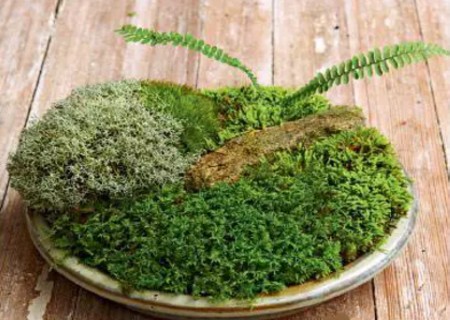
How to Make a Moss Bonsai? A Step-by-Step Guide to the Method
Mosses prefer dark, damp environments and generally grow on bare rock faces, or in humid forests and swamps, with remarkably tenacious vitality. Moss is a top-grade base material for making bonsai. Mosses are among the most primitive plants: they have no flowers, no seeds, and reproduce by spores. Their structure is simple
-
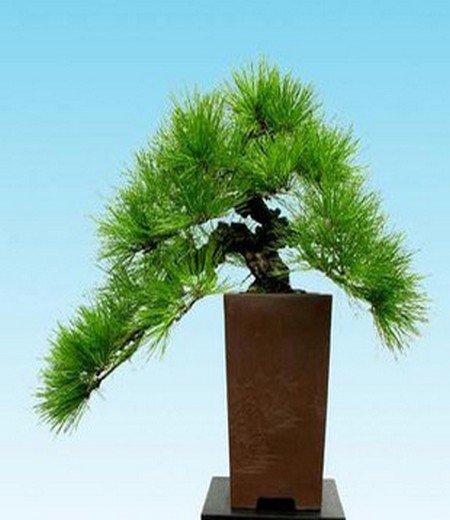
How to make an Asparagus fern bonsai? A step-by-step guide to the method
Asparagus fern (Asparagus densiflorus) has upright stems and branches, emerald-green color, and lush foliage, making it a widely loved bonsai. Moreover, the asparagus fern is easy to cultivate and manage, tolerates shade well, and is suitable for small and medium pots, making it an excellent choice for bonsai. So how do you make an asparagus fern bonsai? Next
-
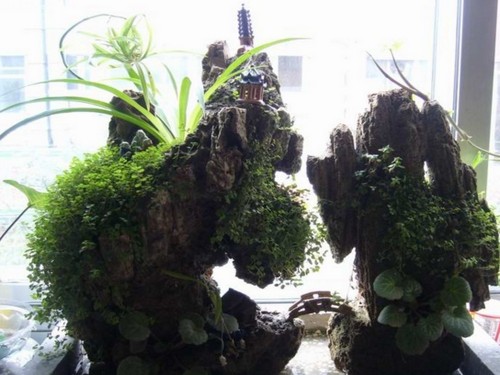
A detailed guide to making Shangshui stone bonsai, easy for beginners to learn too
Dear readers, no more worrying about the indoor dryness caused by long-term use of air conditioning and heating in winter, which adults and children cannot bear. Because you have a natural humidifier, the Shangshui stone bonsai. A Shangshui stone bonsai is a landscape formed by arranging and combining mountains, stones, grass and trees in a pot, and the material of a Shangshui stone bonsai is landscape bonsai
条件筛选