How to make an Asparagus fern bonsai? A step-by-step guide to the method
Asparagus fern has upright stems and branches, emerald-green color, and lush foliage, making it a widely loved bonsai. Moreover, the asparagus fern is easy to cultivate and manage, tolerates shade well, and is suitable for small and medium pots, making it an excellent choice for bonsai. So how do you make an asparagus fern bonsai? Next, the editor introduces the method for making an asparagus fern bonsai:
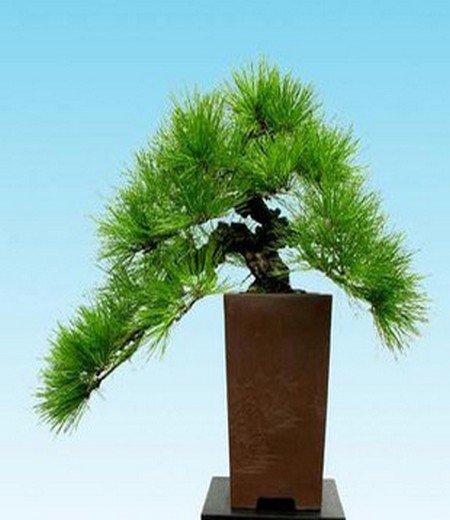
Sourcing materials: Asparagus fern can be cultivated by artificial propagation or by digging up wild plants:
(1) Artificial propagation: Asparagus fern is mostly propagated from seed, with a germination rate as high as over 90%. When the cones mature from mid-September to mid-to-late October, collect them promptly, pile them up for 5-7 days first, then sun-dry them for 3-4 days, tapping and turning them so the seeds fall out, then promptly water-sort, remove empty seeds and debris, dry them in the shade, and store them in bags over winter. Asparagus fern seeds have a thick seed coat and germinate slowly, so early sowing is advisable. Choose a nursery site with well-drained, slightly acidic soil, and apply enough base fertilizer when preparing the land. Before sowing, carry out germination treatment. Soak the seeds in cold water for 3-7 days (change the water during soaking), then mix the soaked seeds with slaked lime; once the seed coat splits, they can be sown. They begin to germinate and emerge in mid-to-late April, and the seedlings can reach 8-12 cm in the current year.
(2) Digging up wild plants: From mountain woodland, select wild asparagus fern seedlings with thick, short stems, preferably small old stumps growing in rock crevices, on cliff faces, or beside gullies. When digging, take care to preserve as many secondary roots and fibrous roots as possible, then plant them in the ground to cultivate and build up the root system, and pot them for shaping the following spring.
Choosing a pot: For asparagus fern, a purple clay pottery pot is suitable, or a glazed pottery pot can also be used. For initial potting, use an unglazed clay pot with good breathability first, then after the plant has settled in, transfer it to an elegant, shallow purple clay pot. Except for the cascade style, which uses a deep cylindrical pot or a relatively deep square or round pot, generally a rectangular medium-shallow pot is preferable. The pot shape can also be determined by the tree form; for example, for the curved-trunk style, a drum-shaped shallow round pot can be used, and the pot color can be either purplish red or light yellow.
Soil: Asparagus fern can adapt to many types of soil, but it is not tolerant of saline-alkaline conditions; deep, moist, loose, slightly acidic sandy loam is best. For potting, use well-decomposed garden soil and leaf mold, mixed with an appropriate amount of sandy soil.
Planting: For potting asparagus fern, the best time is before budding in March; it can also be planted in autumn, but that is not favorable for root development. When digging up seedlings, keep the original soil around the roots, and you may shorten overly long straight roots and cut off dead roots. If planting in a shallow pot, pay attention to securing the trunk; you can place an iron rod along the underside of the drainage hole at the bottom of the pot, tie a slightly thicker metal wire to a thicker root, thread it out through the drainage hole, then wrap it around the iron rod and tie it tight, to prevent wind from swaying the plant and loosening the roots, which would affect survival.
Processing: The shaping of asparagus fern can rely mainly on wire training, with pruning as a supplement. Use metal wire or palm fiber for training. Asparagus fern branches are relatively soft, so training with metal wire is simple and easy, allowing free bending. For example, take a 2-3 year old young seedling as material, bend the main trunk to a certain degree, cut off branches and trunks that hinder the shape, then train the retained side branches into a horizontal or slightly drooping form; after a year of growth, remove the metal wire, readjust the angles, train again, and after several years it can take shape. Wild-collected asparagus fern stumps can only be potted and processed after a year of root cultivation. Shaping must be handled according to the material, making full use of the natural form of the raw material and adding only a little artificial training, so that it has a natural, wild charm.
Tree forms: Asparagus fern bonsai can be made into the upright-trunk style, slanting-trunk style, curved-trunk style, cascade style, and so on, each with its own charm. The upright-trunk style is vigorous, upright, and simple and unsophisticated; the slanting-trunk style is unrestrained, vigorous, and forceful; the curved-trunk style is "twisting and winding in a coiled posture, undulating like a dragon"; the cascade style is like an ancient pine on a cliff, hanging in danger, a blue dragon probing its head, about to dive into the four seas.
Management: Asparagus fern is relatively simple to manage. During the spring and summer growing season, fertilize once every half month, mainly with nitrogen and potassium. At ordinary times, make sure the potting soil does not become waterlogged, otherwise it will cause root rot and yellow leaves. In autumn, gradually reduce watering. To maintain the plant's shape, frequent pruning is needed.
Spring and summer are its peak growing seasons and require sufficient moisture, but the potting soil should not be allowed to become waterlogged, so as to avoid root tuber rot; after late autumn, gradually reduce the amount of watering, keeping the potting soil only slightly moist. To make the branches and leaves grow luxuriantly, pay attention to supplementing nutrients during the growing season, generally applying liquid fertilizer 1-2 times a month. It likes partial shade, so in the hot summer pay attention to shading and prevent exposure to blazing sun, so as to avoid scorching or yellowing of the branches and leaves.