-
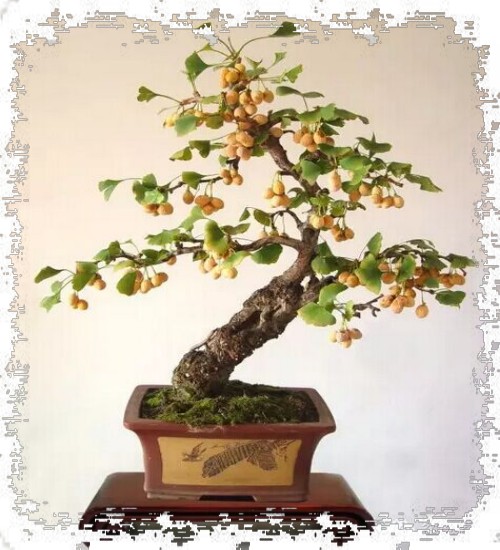
Detailed Guide to Making Ginkgo Fruit-Bearing Bonsai
The ginkgo tree, also known as the white fruit tree, was called the duck-foot tree or the grandparent-grandchild tree in ancient times. It is one of the most precious tree species in the world and the only species of ancient ginkgo plants still surviving on Earth, which is why botanists regard it as a "living fossil" of the plant kingdom, along with the cedar, the Norfolk Island pine, and the golden larch.
-
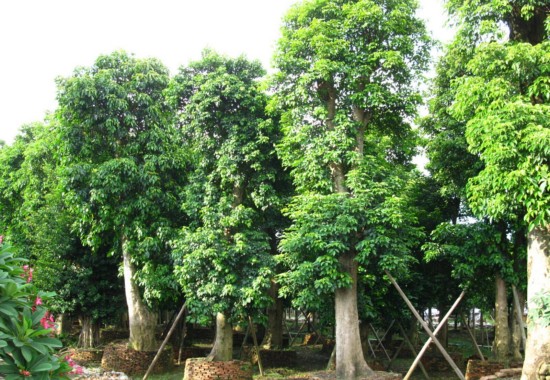
A Detailed Guide to Making Bischofia Tree-Stump Bonsai
Bischofia belongs to the genus Bischofia in the Euphorbiaceae family. Also known as evergreen bishop wood, it is native to China, Japan, Southeast Asia and elsewhere. It is an evergreen tree with a spreading crown and dense branches and leaves; the flowers are unisexual and pale green, blooming from March to April; the berries are spherical and turn dark brown when ripe, fruiting from September to November; it is slightly shade-tolerant, not demanding about soil, and can withstand water and moisture
-
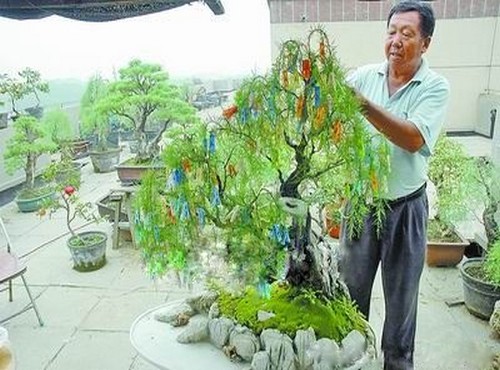
A detailed guide to making a goji berry bonsai, teaching you step by step
Goji berry likes light, tolerates slight shade, tolerates drought, tolerates cold, has no strict requirements for soil, tolerates poor soil, and can even grow in stone crevices; it can adapt to neutral soil, calcareous soil, and saline-alkali soil. It is an indicator plant for calcareous soil and has very strong sprouting ability. Goji berry is a semi-evergreen shrub, with branches forming a vigorous arching shape; the roots are like wandering snakes, gnarled and full of varied forms; in the autumn and winter season
-
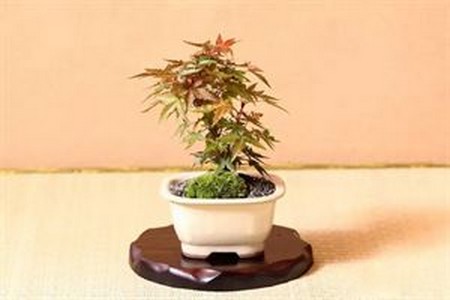
Detailed Guide to the Making Methods and Key Points of Smoke Tree Bonsai
Smoke tree (Cotinus coggygria), also known as sumac tree or red leaf. The leaves of the smoke tree are oval-shaped with slender petioles. In early summer it bears small yellow-green flowers in panicle-shaped inflorescences. The stalks of the sterile flowers are pink and feathery, lasting a long time without falling. Viewed at the edge of a dense smoke tree grove, they look like wisps of cooking smoke curling above the forest. In English, the smoke tree is called "smoke tree."
-
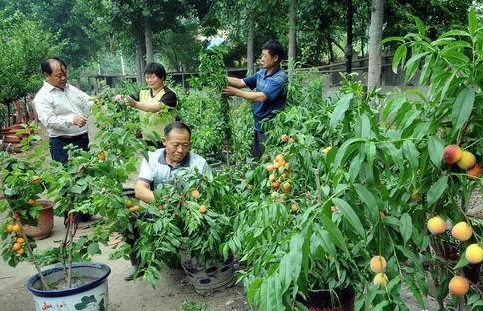
Detailed guide to making fruit tree bonsai, a step-by-step tutorial to help you learn it easily
Fruit tree bonsai often have a different ornamental effect from ordinary bonsai; they have a bit more vitality and liveliness than ordinary bonsai, rather than being so solemn and mature. When a fruit tree bonsai has too many branches, it easily causes the tree's nutrients to be dispersed. Therefore, before the fruit tree buds in spring
-
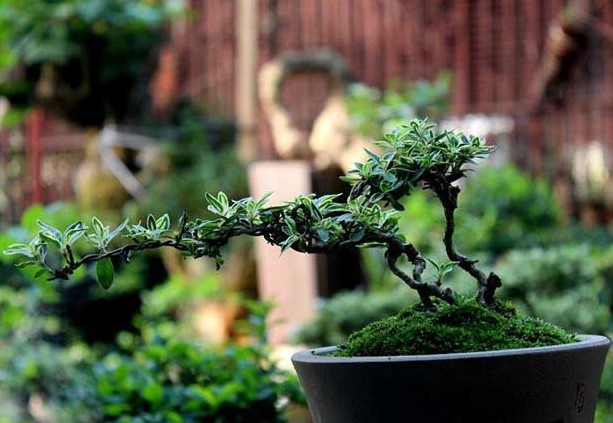
Detailed guide to making a Serissa japonica bonsai, beginners can learn it too
Serissa japonica, also known as Snowbush (Satisfaction). It is an evergreen or semi-evergreen dwarf small shrub of the genus Serissa in the family Rubiaceae. The plant is low, the leaves are dense, the branches are thin and soft, and in midsummer it blooms small white flowers, as if the whole tree is covered in white snow, with high ornamental value. Serissa japonica likes a shady and humid environment and a warm climate. It has low requirements for soil
-
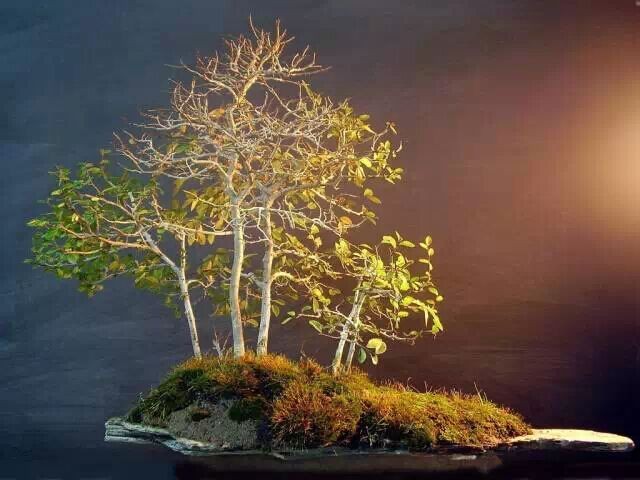
How to make a group-planted bonsai? A detailed step-by-step guide
So-called group planting means growing three or more individual trees in a flat pot or shallow pot to display a forest form. Some even have as many as several dozen trees, and as the number of trunks increases, the sense of lushness they present becomes stronger. When planting, each pot is mostly based on the principle of using the same tree species, because in this way it is not only beneficial for cultivation
-
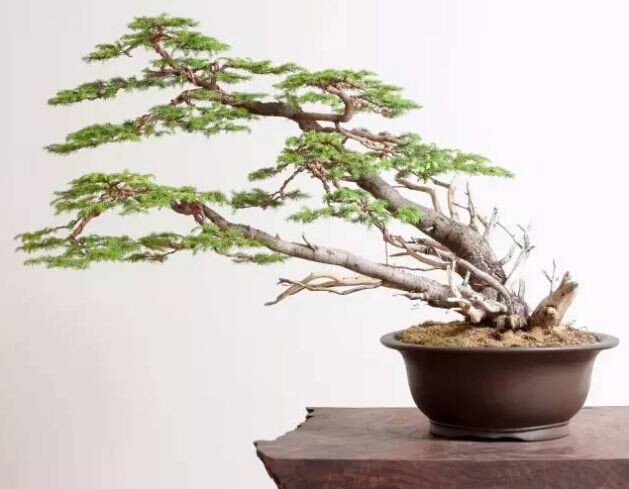
A detailed guide to making cliff cypress bonsai, easy enough for beginners to get started
Pine and cypress bonsai, rugged and aged, cold- and heat-tolerant, not choosy about soil, are long-lived tree species and much loved by people. But digging up and transplanting old pine and cypress stumps so they survive is rather difficult, because their sap is in a waxy state and the bark is fragile and easily damaged; once wounded, the resin seals the cut and hardens, sap circulation is blocked, and it is very hard for new buds to sprout
-
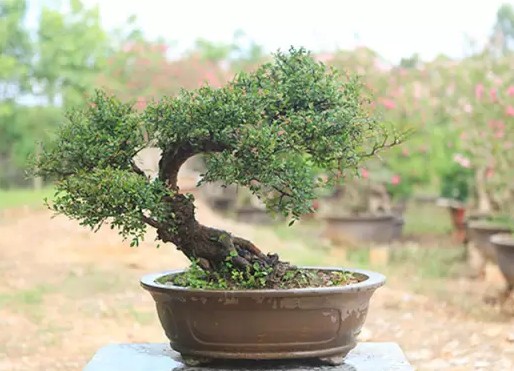
Detailed Guide to Making a Chinese Elm Bonsai, Easy to Learn at a Glance
Turning a tall, large tree species into a bonsai to display at home can add a sense of steadiness and elegance to the living space, and also add quite a bit of distinguished style. The Chinese elm (Ulmus parvifolia) bonsai naturally has this effect as well. Below, let's see how to make a Chinese elm stump bonsai. Pot selection: Chinese elm stump bonsai generally should use a glazed ceramic pot
-
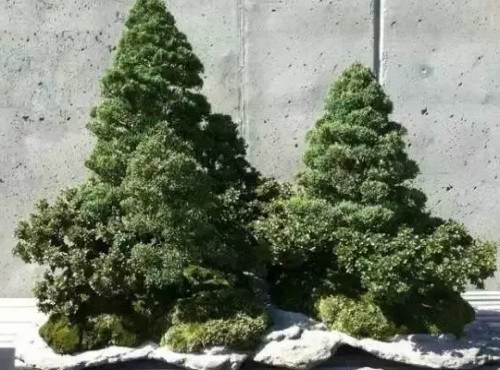
A detailed guide to making forest-style bonsai, easy for beginners to learn
Forest-style bonsai mainly reflects the composite image of the beauty of a group of trees. Although the selection of plant forms is not as strict as with other bonsai, the image of group beauty is expressed through the combination of individual trees. Therefore, each tree in a forest-style bonsai must also be able to show its individual beauty within a unified composition.
条件筛选