-
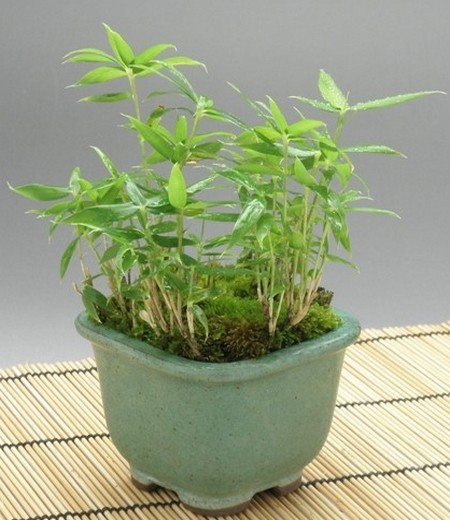
How to make a purple bamboo bonsai? A complete step-by-step guide
Purple bamboo, also known as black bamboo, dark bamboo, or running bamboo, is a culm-ornamental bamboo type. Its culms are purple-black, soft and glossy, hidden beneath green leaves, and very exquisite. Its name is unforgettable at a single glance. It can be planted together with bamboo species that have colorful culms, such as yellow-groove bamboo, golden bamboo, and mottled bamboo, in a bamboo garden to add color variation
-
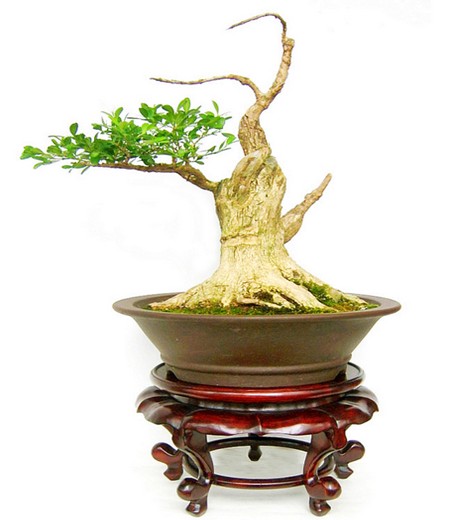
A detailed guide to making big-leaf boxwood (Euonymus japonicus) bonsai, easy enough for beginners to learn
Boxwood bonsai has a graceful tree posture, with leaves as small as broad beans, thick and glossy, evergreen all year round, and can be enjoyed throughout the year. In the Yang-style boxwood bonsai, the branches and leaves are pruned and trained into cloud-like pads, flat and thin as if shaved, then dotted with rocks, elegant and beautiful as a painting. In spring, when the tender leaves of boxwood first emerge, the whole tree is tender green and very pleasing to the eye. An ancient poem praising boxwood
-
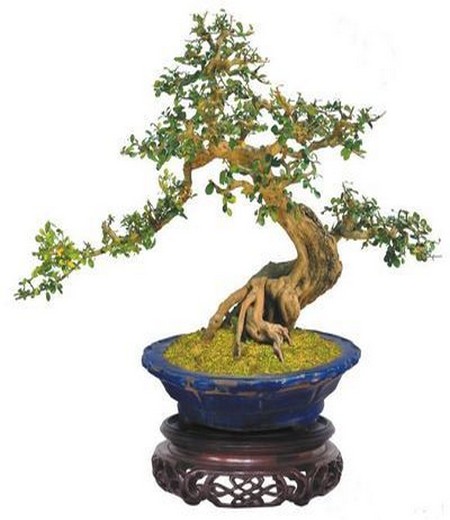
A detailed guide to the entire process of making boxwood bonsai, beginners can learn it too
Boxwood branches and trunks are grayish-white and smooth, with leaves as small as broad bean petals, thick and glossy, emerald green in all four seasons, and ornamental all year round. After pruning and wiring into cloud-layer forms, they are flat and thin as if shaved; or when accented with rocks, they become even more natural and exquisite. Boxwood bonsai has a graceful tree posture, leaves as small as broad bean petals, thick and glossy, evergreen through all four seasons, and can be enjoyed all year round. Yang-style boxwood bonsai
-
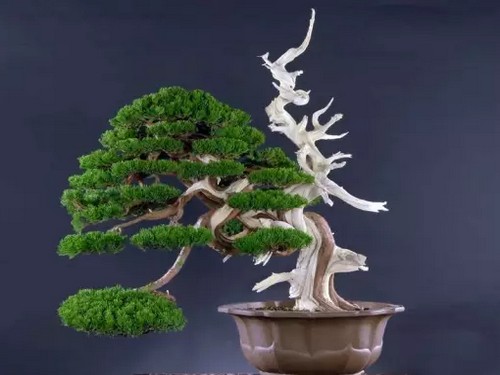
Detailed Guide to the Methods and Techniques for Creating Chinese Juniper Bonsai
Chinese juniper bonsai has long been famous in bonsai circles at home and abroad for its old trunks and gnarled branches, fine dense foliage and elegant posture. Especially in Japanese bonsai exhibitions, shari (deadwood) trunks made from century-old junipers are commonly seen, with white deadwood and red bark alternating, resembling a roaming dragon, vigorous and antique, truly possessing an immortal's bearing, and can be called a superior product among bonsai. Chinese juniper in the Taiwan, China potted plant community
-
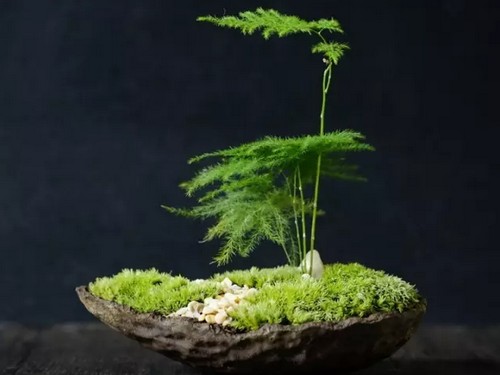
Illustrated guide to making bonsai moss: detailed steps that are easy to understand at a glance
Moss is generally used in bonsai only as a layer spread over the potting soil to retain moisture, but growing moss separately in a water-stone pot and viewing it as a moss bonsai in its own right actually has a distinctive charm. As the saying goes, three parts cultivating the plants, seven parts cultivating the person. Every morning, bend down and feel the primal wild breath together with the moss.
-
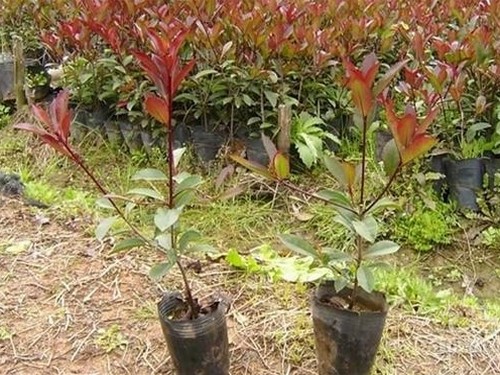
Detailed Guide to Making and Managing Red-Leaf Barberry Bonsai
Red-leaf barberry blooms with yellow flowers in spring and bears red berries in autumn; it is an ornamental shrub beautiful in leaf, flower and fruit alike. It is suitable for use in gardens as a flowering hedge, planted in groups at the corners of garden paths, edging large flower beds, or pruned into symmetrical spherical shapes for companion planting. It can also be dotted among rocks or beside ponds. It can also be made into bonsai; widely used in landscaping, it delivers excellent greening results.
-
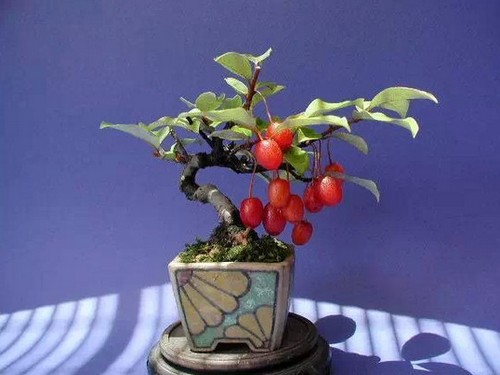
Detailed Guide to Making Elaeagnus Bonsai
Elaeagnus, also known as banchunzi, tianbangchui, queersu, and yangnaizi, with the scientific name E. pungens, is native to China and the temperate and subtropical regions of the Northern Hemisphere. It is an evergreen shrub of the family Elaeagnaceae. Its fruit is sweet and edible when ripe. The roots, leaves, and fruit are all used medicinally. The plant has a natural form, fragrant flowers, and red fruit.
-
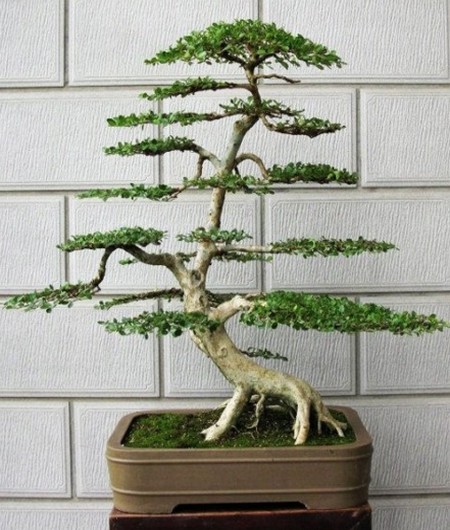
Detailed Guide to Making a Boxwood Bonsai
Littleleaf boxwood is an evergreen shrub or small tree of the genus Buxus in the order Euphorbiales. The trunk is grayish-white and smooth, the branches are densely borne and four-angled. The leaves are opposite, leathery, entire, elliptical or obovate, with a rounded or slightly notched tip, bright green on the surface and yellow-green on the underside. The flowers are clustered in the leaf axils or at the branch tips, opening from April to May, and are yellow-green
-
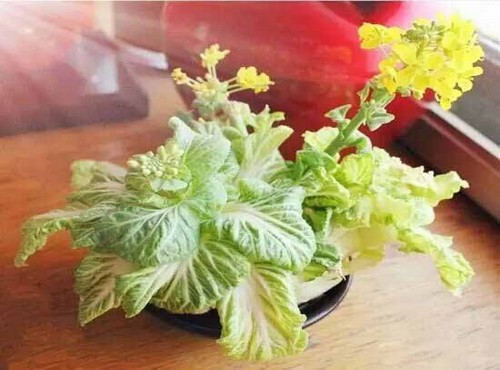
Detailed Guide to Making Hydroponic Napa Cabbage Bonsai
Container: bowl, dish, transparent containers are best! Hydroponic time: around Spring Festival (late January to early March) Method: trim the base of the napa cabbage flat, place it directly flat in the container, add an appropriate amount of water and that's it! Care method: 1. Place on a sunny windowsill or balcony! Change the water every 2~5 days
-
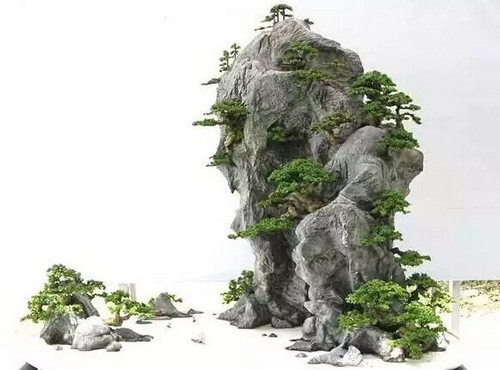
A detailed guide to making landscape rock bonsai: easily create a stunning bonsai
Landscape rock bonsai is a three-dimensional painting. Through the author's artistic processing and the magical technique of moving heaven and shrinking earth, the beauty of nature is reproduced in a tiny pot through the forms of mountain bodies, plants, and accessory arrangements. And the rockery is the main body of landscape rock bonsai, and only when the making of the rockery is completed
条件筛选