-
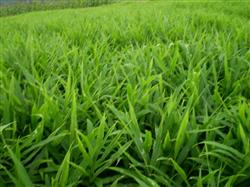
Full-process fertilization technical guide for ginger cultivation
Ginger is an indispensable vegetable variety in daily life. Since this year, supply has been tight, prices have been relatively high, and returns have been good. 1. Plot selection. Ginger should not be grown continuously; it should be rotated with rice, cruciferous vegetables, and leguminous plants. Ginger has a long growth period and is not tolerant of strong light. In the early stage, it can be intercropped with spring-sown crops or vegetables, and in the later stage...
-
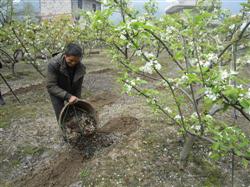
Correct Fertilization Methods and Technical Key Points for Pear Trees
I. Fertilizer amount. Generally speaking, producing 100 kg of pear fruit requires 0.47 kg of pure nitrogen, 0.23 kg of pure phosphorus, and 0.48 kg of pure potassium, with a nitrogen, phosphorus, and potassium ratio of 1:0.5:1. If calculated at a yield of 2500 kg of pears per mu, then each mu requires 11.75 kg of nitrogen, 5.75 kg of phosphorus, and 12 kg of potassium. In actual production, it can be based on...
-
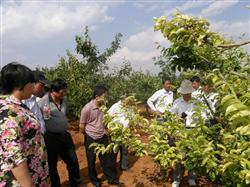
How to prevent and treat pear tree chlorosis? Reasonable fertilization is key
Iron deficiency symptoms in pear trees start from the new shoots, with leaf color changing from pale green to yellow, only the leaf veins remaining green. In severe cases, the entire leaf turns yellow-white, with scorched necrotic spots forming along the leaf margins. Affected new shoots are thin and weak, with elongated internodes and underdeveloped axillary buds. Pear trees can develop this at any stage from seedling to mature tree. The cause of this...
-
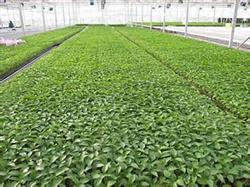
Pepper Fertilization Ratios Matter: The Right Balance Is Key
1. Seedbed selection. For raising pepper seedlings, choose loose soil on high, dry ground with good drainage, good ventilation and light, and rich organic matter. The soil should not have grown solanaceous vegetables within 1-2 years to prevent disease transmission. For seedling raising, reserve enough seedbed at a ratio of 1:20. Plow the seedbed soil 1 week before sowing, and apply high-efficiency compound fertilizer per mu...
-
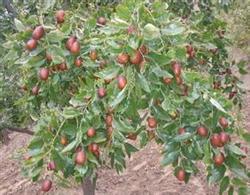
What are the key technical points for skillful fertilization of jujube trees to promote high yields?
Only through scientific and rational fertilization can jujube trees be strengthened, their resistance to pests and diseases improved, quality enhanced, and yields increased. Fertilization of jujube trees is divided into base fertilizer and topdressing. The scientifically appropriate time for applying base fertilizer is from the jujube fruit ripening stage until the soil thaws the following year, while topdressing is carried out in three applications: before bud break, at the early full-bloom stage, and during the rapid fruit swelling stage...
-

How to fertilize napa cabbage? Master the fertilization patterns and methods
Fertilization patterns and methods for napa cabbage
-
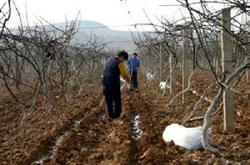
Analysis of Fertilization for Kiwifruit at Different Tree Ages
Kiwifruit trees of different ages grow differently and have different fertilizer requirements. Based on fertilization experience at home and abroad and experimental research on fertilizing Actinidia chinensis varieties, the Horticulture Research Institute of the Jiangxi Academy of Agricultural Sciences proposed proportions of fertilizer application rates for different tree ages, and achieved high-yield, high-quality kiwifruit in production applications, enabling kiwifruit...
-
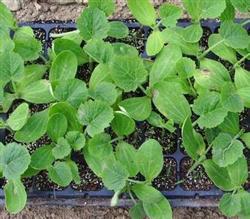
Key Technical Points for Fertilization During the Seedling Stage of Zucchini
Soil preparation and fertilization: Zucchini prefers slightly acidic soil, with a suitable pH value of 5.5 to 6.8. Zucchini has a very strong nutrient uptake capacity; applying too much nitrogen fertilizer easily causes excessive vegetative growth of stems and leaves, leading to flower and fruit drop and the occurrence of diseases. Therefore, nitrogen, phosphorus, and potassium should be applied in combination. Under normal circumstances, for every 1000 kg of fruit harvested, it needs to absorb 3.92 kg of nitrogen...
-
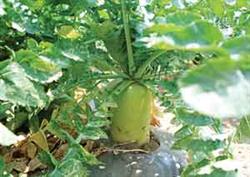
How to fertilize Chinese cabbage and radish? Master the nutrient requirements and fertilization methods
Chinese cabbage is an important leafy vegetable. Chinese cabbage has a very high yield, reaching over 5000 kg per mu, so it has relatively high fertilizer requirements. The ratio of the three is 1:0.4:1.1. Therefore, like other leafy vegetables, Chinese cabbage requires adequate nitrogen nutrition during the vegetative growth period, which is particularly important for promoting the formation of large leaves and increasing the photosynthetic rate...
-
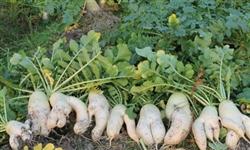
How to prevent forking and pithiness in winter-spring radishes? Reasonable fertilization is key
Right now is the sowing season for winter-spring radishes, and phenomena such as radish forking and pithiness are fairly common in radish production in our province. Agricultural experts point out that mastering fertilizer measures during cultivation can improve radish quality. There are many causes of radish forking, and the main problem is soil quality and cultivation aspects such as soil plowing...
条件筛选