-
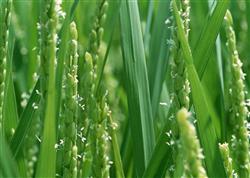
Fertilizer Requirements and Key Fertilization Techniques for Rice at Different Growth Stages
I. Fertilizer Requirements of Rice. Nitrogen, phosphorus, and potassium are the nutrient elements that rice requires in relatively large amounts while soils are relatively deficient in them. Generally, for every 100 kg of rice grain produced, about 1.6-1.9 kg of nitrogen, 0.8-1.3 kg of phosphorus, and 1.8-3.8 kg of potassium are absorbed, with a ratio of approximately 1:0.5:1.3. Nitrogen uptake is highest from the greening stage to the tillering stage...
-
Key Technical Points and Operation Methods for Single-Application Fertilization of Rice
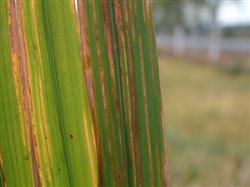
Distribution Rice bacterial leaf streak, commonly known as rice fine streak disease, is one of the important worldwide rice diseases. Its pathogen belongs to the genus Xanthomonas bacteria, and the bacteria mostly invade through leaf stomata; symptoms can appear at any growth stage of rice. The lesions are short and fine narrow streaks, with the stripes appearing between the leaf veins; when viewed against the light...
-
Autumn Mango Fertilization Management Methods and Technical Key Points
Fungal diseases. At present, 6 pathogens causing mango sooty mold have been identified in China. They damage leaves, branches and shoots, and fruit, affecting leaf photosynthesis and fruit appearance. Control methods: First, rational close planting and pruning to keep the canopy well ventilated and exposed to light. Second, focus on controlling aphids, scale insects, and flat-headed leafhoppers...
-
Detailed explanation of key points of fertilization techniques for fruiting mango trees
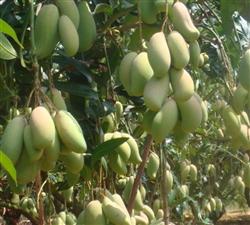
Fertilization of fruiting mango trees should be based on the principle of reasonably adjusting the contradiction between vegetative growth and reproductive growth. It is necessary both to promote flowering and fruiting in the current year and to control excessive summer shoot growth, and also to promote the sprouting and robust growth of autumn shoots, laying a good foundation for continued high yields the following year. The types of fertilizer applied are still mainly nitrogen, phosphorus, and potassium fertilizers, especially...
-
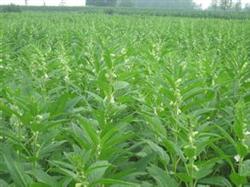
High-Yield Fertilization Methods and Key Technical Points for Sesame
(1) Land preparation: Sesame seeds are small, the root system is weak, and seedlings grow slowly, so fine land preparation is one of the important measures for achieving full emergence and strong seedlings from a single sowing. Sesame is afraid of waterlogging; in low-lying and rainy areas, on the basis of plowing and land preparation, ditches should be opened and raised beds made to do a good job of drainage and waterlogging prevention. In the urban area of Tianjin, spring rain and snow are scarce, so for spring-sown sesame, winter plowing and harrowing should be carried out...
-
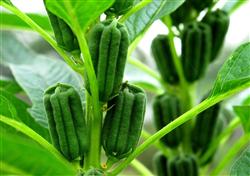
High-yield fertilization techniques for sesame: focus on three key topdressings
Double-stem cultivation involves removing the growing tip of the main stem during the sesame seedling stage and using the axillary buds at the base of the stem to promote the growth of 2 stems similar to the original main stem, turning one plant with one stem into one plant with two stems. This can greatly increase the number of pods and thereby raise yield. Generally, it increases sesame income by about 10 kg per mu. Therefore, double-stem cultivation is a new...
-
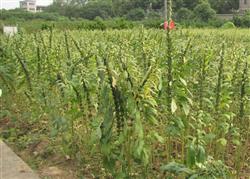
How to fertilize sesame? A detailed explanation of scientific fertilization methods
Sesame, also known as oil sesame, is rich in protein and various vitamins as well as iron, calcium, sesamol compounds and other substances. It is nutritious and strongly aromatic, and is an indispensable ingredient in making pastries and specialty foods. Sesame oil is an even more rare top-grade edible oil. Sesame is a warm-loving crop, and July is the best period for autumn sowing of sesame. Sesame...
-
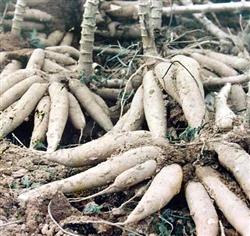
Early planting and rational fertilization for cassava
At present, cassava cultivation and management are extensive, good and poor varieties are not distinguished, yields are low, and economic returns are poor. To achieve high yields in cassava cultivation, the following integrated techniques must be adopted: 1. Select improved varieties. Selecting improved cassava varieties and increasing the coverage rate of improved varieties is the key technique for raising cassava per-unit yield and increasing total production. The yield increase of improved varieties...
-
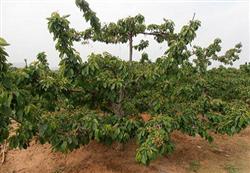
Autumn basal fertilization for sweet cherries is timely now, and fruit growers should not miss it
When it comes to the key points of autumn basal fertilization, the first thing to emphasize is "early." It is generally carried out in September-October, but early application in September gives the best results. This is because during this period the soil temperature is relatively high, the roots absorb fertilizer over a longer time, and the absorption rate is also fast. Once the fertilization timing is grasped, the application rate must also be increased...
-
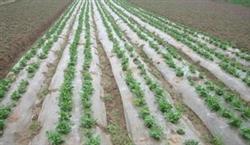
Proper application of the four fertilizers is very important for spring peanuts, and the fertilization method must be mastered
Spring peanut cultivation with plastic film mulching has the advantages of heat preservation, moisture retention, fertilizer retention, improving the soil environment, ensuring uniform and strong seedlings, promoting growth and development, earlier maturity, and increased yield and income. It can usually increase yield by 20%-30%, and increase net income by 50-100 yuan per mu. 1. Fine land preparation and full-layer fertilization for peanut mulching...
条件筛选