Chestnut trees should be supplemented with zinc and boron fertilizer promptly after harvest
At present, the yield of most chestnut orchards is not high, with only 4-5 kg per tree. Many bearing chestnut trees have burrs but no nuts (that is, empty burrs). The reason, apart from extensive management, is largely related to the failure to apply or spray zinc and boron. Practice has proven that supplementing with soil application and foliar spraying of zinc and boron micro-fertilizers after chestnut harvest promotes flowering, differentiation, improves flower quality, and ensures...
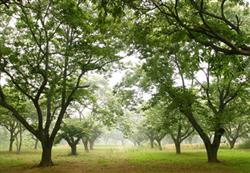
At present, the yield of most chestnut orchards is not high, with only 4-5 kg per tree. Many bearing chestnut trees have burrs but no nuts (that is, empty burrs). The reason, apart from extensive management, is largely related to the failure to apply or spray zinc and boron. Practice has proven that supplementing with soil application and foliar spraying of zinc and boron micro-fertilizers after chestnut harvest plays an important role in promoting flowering, differentiation, improving flower quality, and ensuring increased yield and income the following year. Foliar spraying of zinc and boron: After chestnut harvest, the temperature is still relatively high, and both light intensity and light quality are good, with a fairly long period remaining before leaf fall in winter. Spraying zinc and boron solution on the foliage promptly at this time can increase the tree sap concentration, promote flower differentiation, and reduce the empty burr rate the following year by more than 50%. A mixture of 0.2% borax plus 0.2% zinc sulfate can be sprayed, covering both the upper and lower surfaces of the leaves. It is best to spray on a calm or slightly windy overcast day; on sunny days, spraying after 4 p.m. is preferable; ensure there is no rain within 24 hours after spraying. Spray enough fertilizer solution to thoroughly wet the leaves without dripping. If rain occurs within 24 hours after spraying, a follow-up spray must be applied after the rain stops, but the fertilizer solution concentration can be appropriately reduced, and the amount can also be decreased as appropriate. If pest and disease numbers are high, corresponding pesticides can be mixed into the fertilizer solution for combined spraying, but the amount of pesticide added must be strictly calculated to prevent overdose and side effects.
Soil application of zinc and boron as a base fertilizer, applying zinc and boron together with organic fertilizer into the soil, can exert fertilizer effects for a relatively long time. A furrow application method is generally used. The method is: after harvest, choose a time when soil moisture is good or the soil is relatively moist after rain, open a furrow at the drip line of the canopy, with a furrow width of 0.4 m and a furrow depth of 0.6 m, and apply zinc and boron micro-fertilizer and other organic fertilizers into the furrow. For large bearing trees, apply 100 g each of borax and zinc sulfate per tree (reduce the amount as appropriate for young trees), mix thoroughly with organic fertilizer, and cover with soil after application. If dry weather occurs and soil moisture is insufficient, water first and then apply.