-
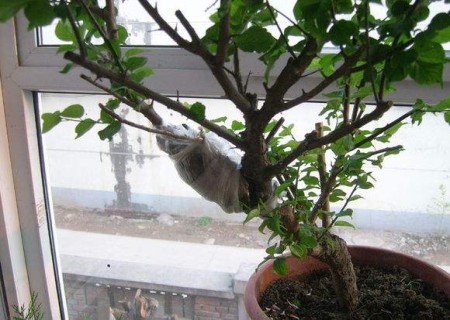
Detailed Explanation of Air Layering Propagation Techniques for Plum Blossom and Key Operation Points
Potted plum blossoms are mainly propagated by grafting, commonly using cut grafting and bud grafting. The rootstock is wild peach, mountain peach or apricot. The old trunk bark of apricot is red; when grafting red plum blossom onto it, the flower and bark colors harmonize. However, when the propagation quantity of plum is not large, the layering method can be used. Layering is a traditional method of propagating plum blossom, and it is best done in early spring from February to March, selecting vigorous 1-3 year old long branches.
-
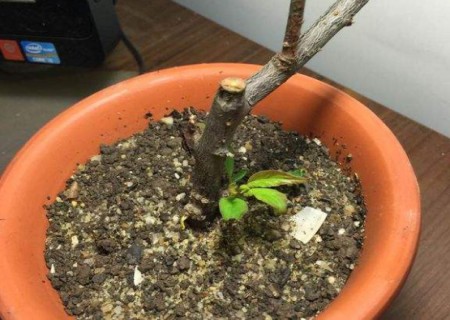
Detailed Guide to Plum Blossom Cutting Propagation Technology, Easily Master the Cutting Method
Plum blossom is a very common flowering tree in China, and many flower enthusiasts now make plum blossoms into bonsai to display at home. Plum blossom bonsai, with its sparse shadows slanting across and its ancient, vigorous air, is full of poetic charm. The plum, blooming alone to herald spring across the land, has been regarded by Chinese people since ancient times as a symbol of good fortune, bringing tidings of spring and auspicious celebration
-
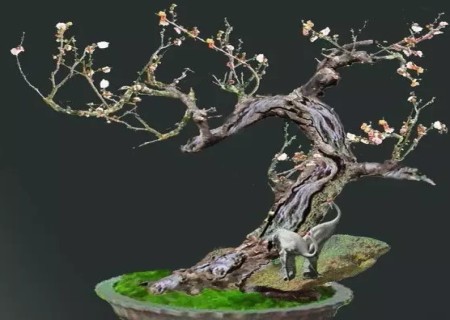
How can plum bonsai look aged and rustic
Old plum bonsai are elegant, free-spirited and full of spirit, and are highly favored by bonsai enthusiasts. Plum bonsai not only bring us beauty, but also add a lot of fun to life. But a plum bonsai with considerable ornamental value and artistic effect must first of all have an antique and senile appearance and posture
-
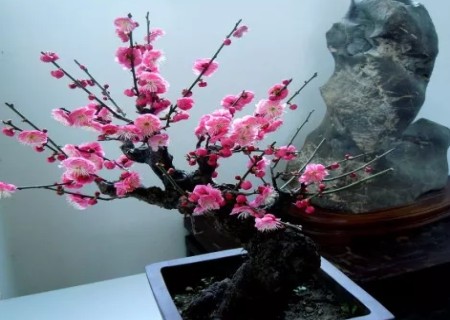
How to shape a plum blossom bonsai? Master these methods for a more beautiful tree form
From ancient times to the present, the plum blossom has always been seen as a symbol of unbending integrity, braving the harsh winter and blooming alone in the cold. If you make a plum blossom into a bonsai and place it in your home, it is not only very elegant but also excellent in both color and fragrance, bringing a delightful enjoyment. However, to obtain a specimen that is durable for viewing
-
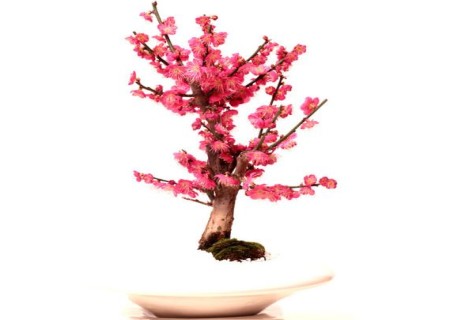
Detailed Explanation of Red Plum Bonsai Shaping Techniques and Methods
Red plum can not only be grown as a potted plant in the courtyard to beautify the environment, but can also be made into bonsai for viewing. But if we want to shape it into a bonsai, we need to master certain pruning and shaping techniques. So, how do you shape a red plum bonsai? Plum bonsai is an excellent traditional Chinese art
-
When to propagate Chinese Bird Plum (Sageretia thea) by cuttings? A detailed guide to timing and methods
Since ancient times, Sageretia thea has been an excellent material for making bonsai, especially suitable for Sageretia stumps, and is one of the important tree species for making stump bonsai. It is also one of the 5 famous trees in Lingnan bonsai. Sageretia bonsai has high ornamental value and good economic benefits, so it has always been well received by the market.
-
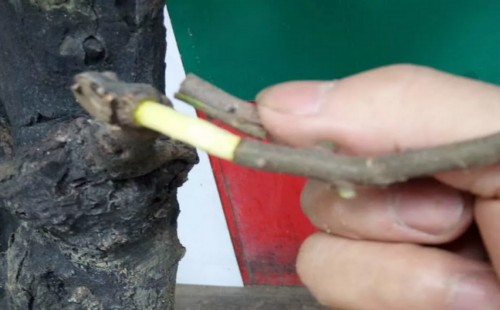
How long does it generally take for Chinese sweet plum (Sageretia thea) air layering to root?
Air layering is a very efficient means of obtaining small bonsai stock. For tree species like Chinese sweet plum (Sageretia thea) when cultivating raw stock, it often achieves twice the result with half the effort. This is mainly because propagating small Chinese sweet plum bonsai stock through air layering has a very fast rooting speed, making it easy to obtain stock that can be transplanted into pots. So
-
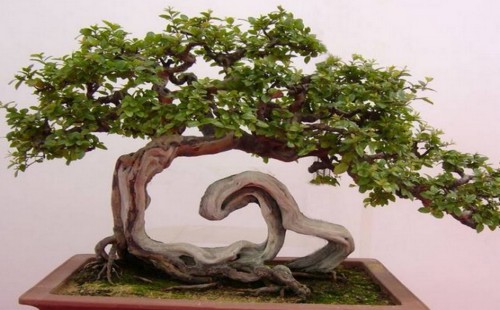
How to bend a Chinese plum (Sageretia thea) bonsai? Detailed explanation of the correct methods and techniques
The ornamental value of the Chinese plum bonsai is very high, mainly reflected through its perfect styling design. For tree bonsai, bending is a commonly used technique in the styling process, which can shape the branches and trunk of the bonsai tree into various graceful and vivid styling effects. But bending must be done according to the material, and should not be done blindly
-
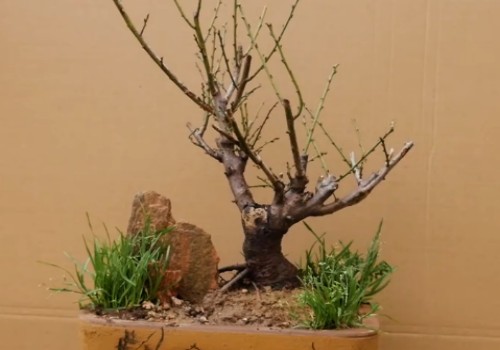
Detailed explanation of plum blossom bonsai shaping techniques, easily create beautiful bonsai
The ornamental value of old-trunk plum blossom bonsai is very high, but to create a beautiful plant shape and fully reflect its ornamental value and artistic charm, it is difficult to achieve without years of cultivation and shaping. The two most important methods involved in the shaping process of plum blossom bonsai are pruning and tying.
-
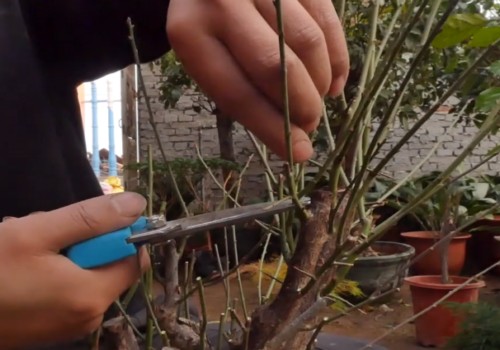
Correct pruning method for bonsai plum blossoms after flowering
For potted plum blossoms, if we do not have special shaping requirements, we only need to flat-prune their branches every year. With flat pruning, they can be trimmed into a shrub shape or an arc shape. But if it is post-flowering pruning, there are many more details we need to handle, especially for bonsai plum blossoms
条件筛选