-
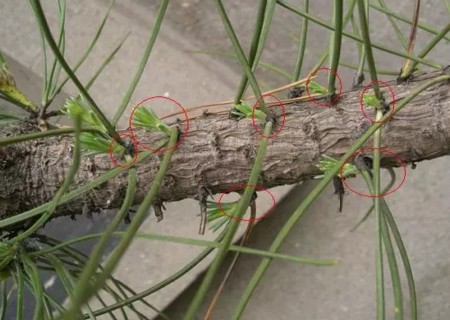
Black Pine Bonsai Bud-Forcing Techniques
Black pine has been a bonsai tree species much favored by bonsai enthusiasts in recent years, but how to make collected wild yamadori stumps sprout quickly is a problem many people hope to solve. Below, the editor will explain the bud-forcing techniques for black pine bonsai. As for the bud-forcing process of black pine bonsai
-
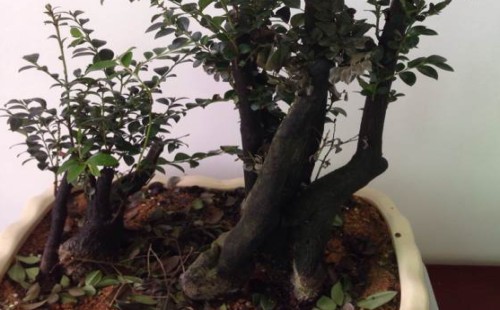
What to Do When a Black Persimmon (Black Bone Tea) Bonsai Drops Its Leaves? Causes and Solutions
Black Bone Tea (black persimmon) is a high-quality material for stump bonsai, and its ornamental value is extremely high. At the same time, the plant also has a certain tolerance to shade, drought, and poor soil, so it is very suitable for placement on a balcony or even for care and management indoors. However, many bonsai enthusiasts have found during care and management that Black Bone Tea keeps dropping its leaves.
-
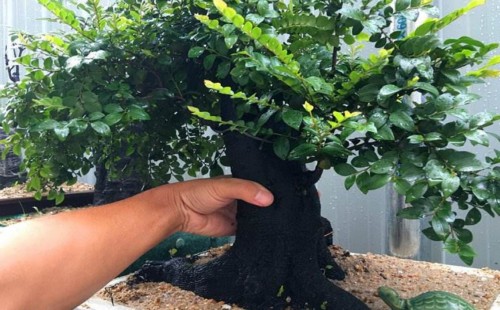
Can a Black Bone Tea (Black Persimmon) bonsai be placed in the sun? Analysis of key light and care points
Black Bone Tea has quite a few names, with Black Bone Fragrance and Black Ebony being the common ones. It is mainly named for its root system and trunk, which are as hard as black charcoal and black in color. Although its rhizomes and trunk are pitch-black, this does not affect its aesthetic form, and the ornamental value of a Black Bone Tea bonsai is actually quite good! Not only that
-
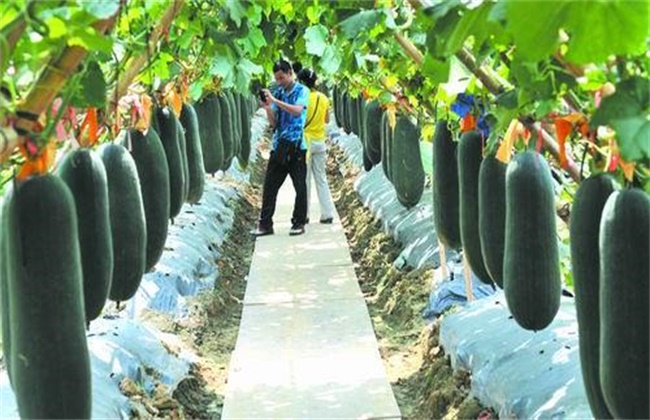
A Detailed Guide to Black Skin Wax Gourd Planting Techniques and Management Methods
Planting Techniques for Black Skin Wax Gourd
-
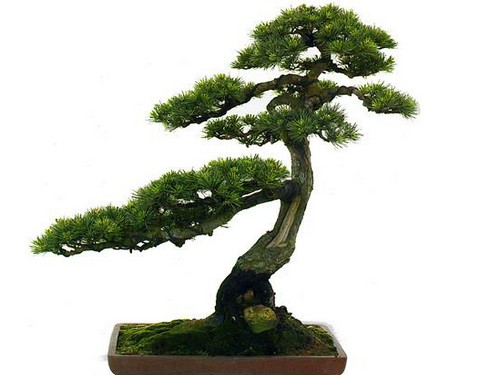
How to Make a Black Pine Bonsai
Black pine bonsai has strong adaptability to the environment and can be cultivated in courtyards or on balconies. Its branches spread horizontally, its crown is like an umbrella canopy, its needles are deep green, it stays evergreen through all four seasons, and its tree form is ancient and elegant, making it enjoyable all year round. During the growing period, it is best placed outdoors in a spot with ample sunlight and good air circulation, and it should not be kept indoors for long periods.
-
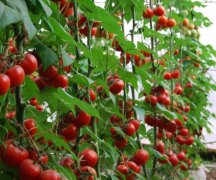
Tomato Growing Methods and Tips: Why the Bottom Turns Black and Planting Precautions
How should tomatoes be grown? Why does the bottom of a tomato turn black? What are the planting precautions and tips? Want to find out? Then let's take a look together! Tomato Growing Methods The tomato, which is both a vegetable and a fruit, is a produce many people love, and it has an extremely large number of varieties, so here is a brief
-
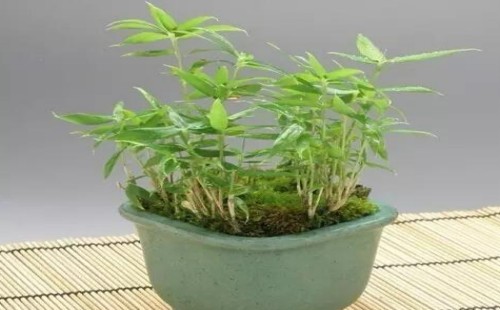
How to make a bonsai from black bamboo? A full breakdown of the detailed method
Black bamboo (Phyllostachys nigra) is a very beautiful ornamental bamboo. It can be grown as a household potted plant, and can also be used in landscaping or scenery; its beautiful figure can often be seen in many gardens. Making black bamboo into a bonsai for viewing often reflects the owner's cultivation and taste, so it is also highly sought after by scholars and literati. So
-
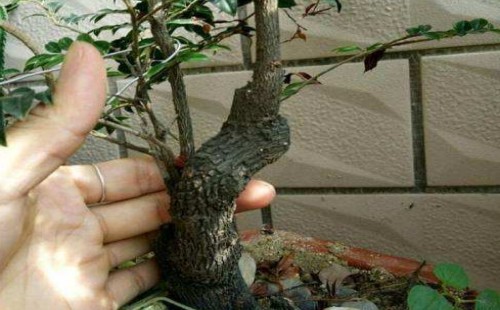
How to make a Black Bone Tea bonsai? A detailed guide to the method
Black Bone Tea has small, deep green leaves, thick clustered roots and stems, and hard, upward-reaching branches, giving it a peculiar yet elegant shape that makes it a bonsai tree of extremely high ornamental value. Moreover, Black Bone Tea stays deep green all year round; whether it is made into a bonsai for appreciation or planted in the ground in a courtyard, it can often stand alone as a landscape. However,
-
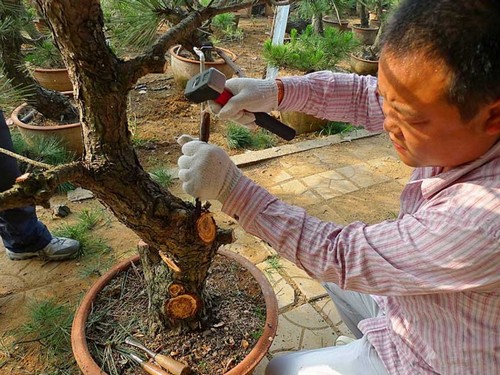
How to transplant a black pine bonsai? Detailed methods and steps
"A hundred-zhang pine in the forest, its gray scales wrinkled with age" - this is a line from a poem by the Song Dynasty writer Su Dongpo praising the posture of the pine tree. The black pine bonsai has strong adaptability to the environment and can be grown in courtyards or on balconies. Its branches spread horizontally, its crown is like a canopy, its needles are deep green, its winter buds are silvery white, it stays green all year round, and its tree form is ancient and elegant, making it enjoyable throughout the year. During the growing period
-
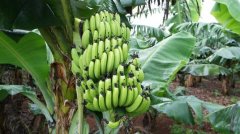
Symptoms and control of three common banana diseases: small black spot disease, fine streak disease and bunchy top-like stunting disease
An introduction to the symptoms and control methods of common banana diseases: small black spot disease, fine streak disease and stunting disease. Let's take a look! Small black spot disease Pathogen: the optimum temperature for mycelial growth is 25°C, the optimum temperature range for spore formation is 13-29°C, and the optimum temperature range for spore germination is 13-33°C.
条件筛选