-

Key Points for Buying a Small Crawler-Type Grain Combine Harvester and Analysis of Basic Parameters
Small crawler-type grain combine harvesters are suitable for hilly and mountainous areas and small fields. This article explains the meaning of basic parameters such as feed rate, cutting width, power and ground contact pressure, as well as points to note when buying and using them day to day, to help farmers choose and use machines wisely.
-
How to Read Small Gasoline Engine Water Pump Parameters? A Complete Guide to Selection and Use
What do the basic parameters of a small gasoline engine water pump, such as flow rate, head, suction lift and caliber, each represent? This article teaches you to understand what the parameters mean, grasp the key points of selection and matching, and master daily maintenance methods, making farmland irrigation and drainage easier.
-
Machine-picking technology for small tea gardens: key points for using the Hengjun 4C-60 tea harvester
An introduction to the Hengjun 4C-60 tea harvester, explaining the working principle of small tea harvesters, operating steps and machine-picking technology for tea gardens, sharing key points on fresh leaf quality control and maintenance, to help tea farmers improve efficiency and reduce costs.
-
"The fruit of love" cherry tomatoes (small tomatoes): are they a fruit or a vegetable? Are they genetically modified? Are they high in calories?
Cherry tomatoes, often called small tomatoes, have
-

Is it normal for a Phalaenopsis's new leaves to be smaller than the old ones, or is it a nutrient deficiency?
You watch the new leaf of your Phalaenopsis slowly emerge, but the more it grows, the more something seems off - why is it a full size smaller than the old leaves next to it? Your heart immediately starts racing: Is this normal? Have I not fed it enough fertilizer, is it lacking nutrients? Actually, a Phalaenopsis's new leaves being smaller than the old ones isn't necessarily abnormal; it depends on the specific situation. There are mainly several reasons a Phalaenopsis's new leaves are small
-
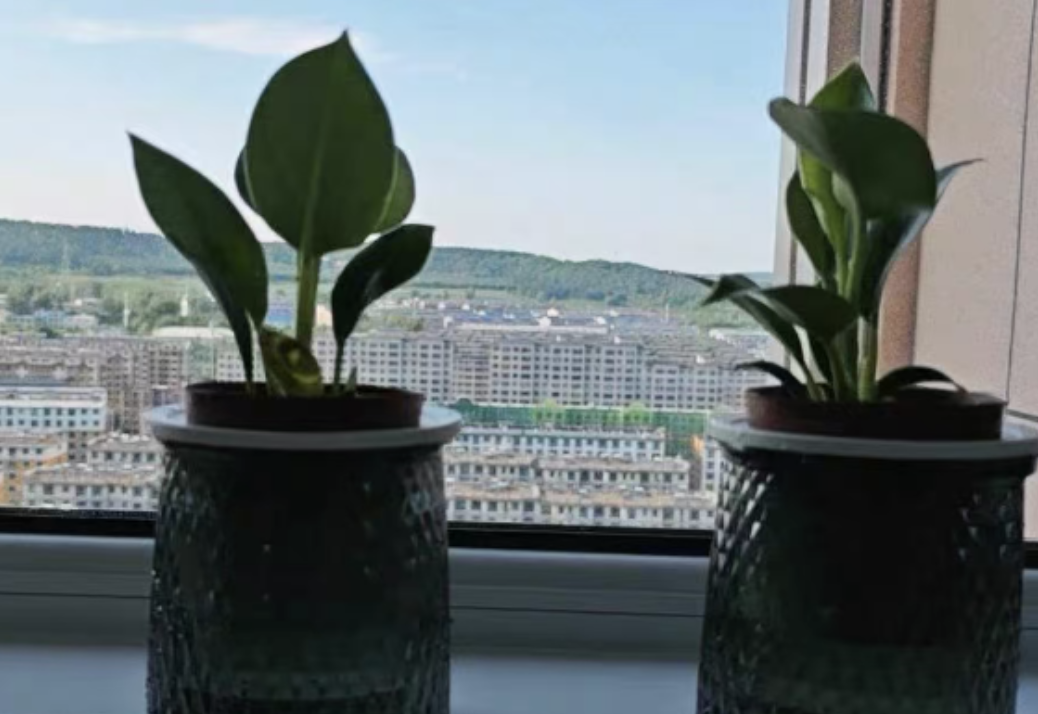
Is it normal for the new leaves of an orchid to be smaller than the old ones? Does it mean it's lacking nutrients?
You notice the new leaves of your Phalaenopsis orchid slowly emerging, but something seems off – they're smaller than the old ones! You immediately start
-
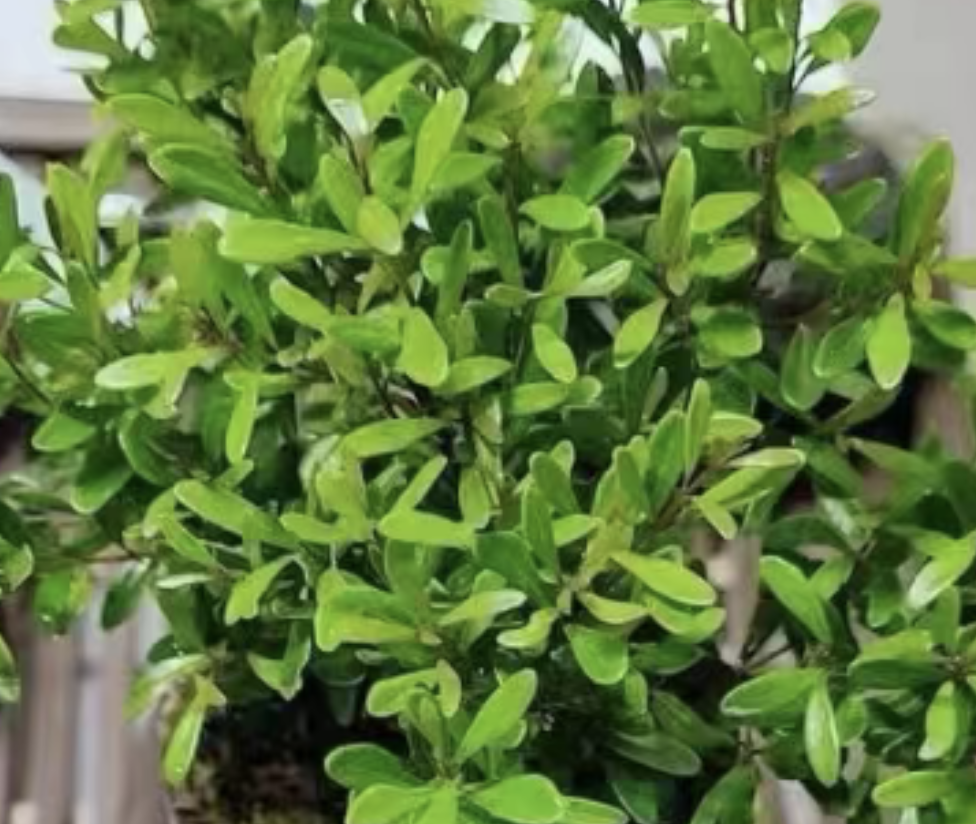
Having trouble with your small-leafed camphor tree (Cinnamomum camphora)? These 3 common diseases are most likely to show up
Is your small-leafed camphor tree looking a bit "droopy" lately? Maybe the leaves have spots, the branches are moldy, or the whole plant is wilting. Chances
-

What are the common diseases of small-leaved Syzygium buxifolium? These 3 need early detection and early treatment
Has your pot of small-leaved Syzygium buxifolium been looking a bit "droopy and listless" lately? Either the leaves develop spots, or the branches get moldy, or even the whole plant wilts. In fact, it is mostly down to common diseases. Today let's talk about the 3 diseases that small-leaved Syzygium buxifolium is most prone to, and how to identify and save them. The first and also the most common one is
-

Phalaenopsis (moth orchid) leaves as thick as if coated in wax? Just do these few small things
Phalaenopsis, the "aristocrat among flowers", is most envied for its glossy, thick leaves that feel like wax to the touch and even reflect light in the sun! But many growers find their Phalaenopsis leaves always thin and limp, as if malnourished. Phalaenopsis originates from tropical rainforests, where it actually grows on trees! This determines
-
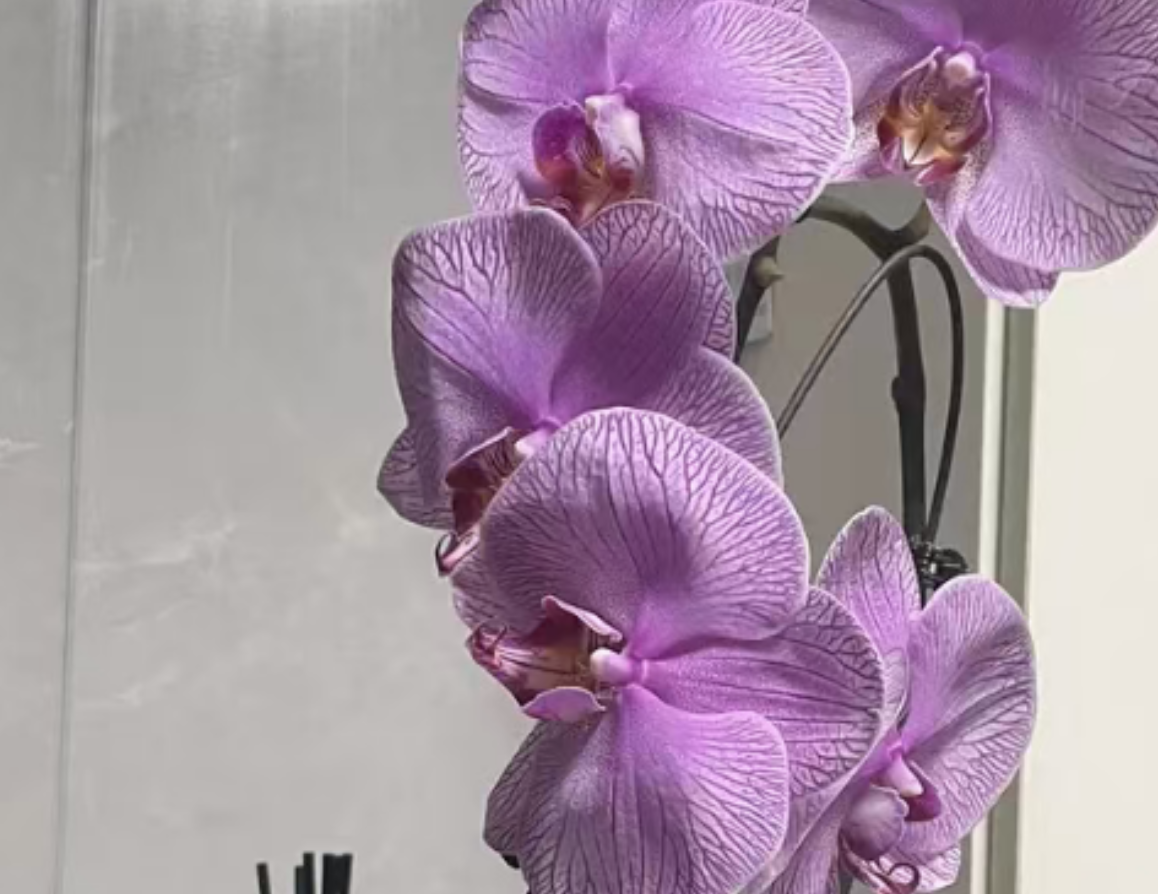
The leaves of Phalaenopsis orchids thick like they've been coated with wax? Just do these few "small things"!
The Phalaenopsis orchid, known as the "noble lady" of flowers, is most admired for its glossy, thick leaves, which feel like they've been waxed and even
条件筛选