-
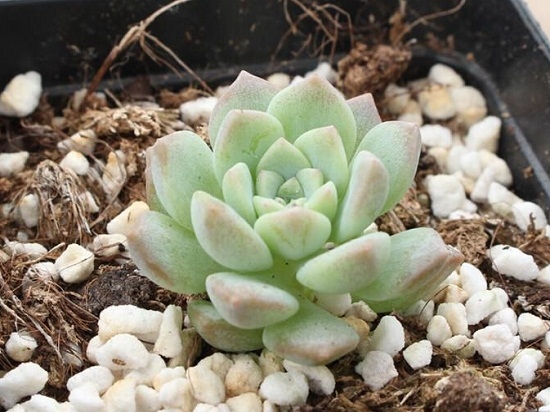
Controlling water for succulents in summer can lower their metabolic rate and prevent black rot
The deadly hot summer is coming again soon! Summer is one of the toughest seasons for succulents, and also the most headache-inducing time for plant lovers. Water control for succulents has always been a hot topic among plant lovers, and summer water control is even more of a hot topic among hot topics. Regarding
-

What to Do When Schefflera Leaves Turn Yellow, Black, and Drop Off? Causes and Solutions
When schefflera leaves turn yellow, black, and drop off, it is usually due to insufficient light, overwatering, or temperatures below 15°C. This article analyzes the causes of yellow leaves and shares rescue methods such as controlling water, supplementing light, and pruning to help you grow your schefflera well.
-
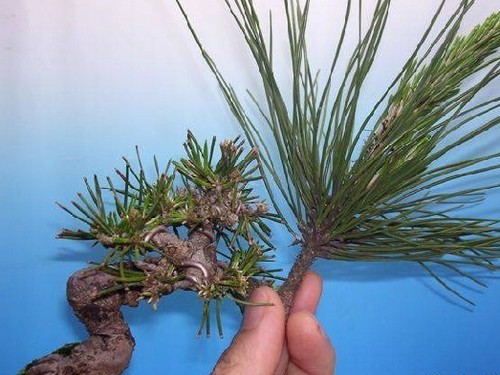
Black Pine Bonsai Styling Techniques
Black pine (Pinus thunbergii) is an excellent material for making pine bonsai, often planted together with plum blossom and green bamboo to form the "Three Friends of Winter" bonsai; if accompanied by rocks, it becomes a pine-and-stone bonsai. A black pine stump specimen cultivated over many years, with its old trunk gnarled and twisted, and its roots intertwined, displays the wondrous posture of a dragon and the soaring of a phoenix, and an indomitable vitality, making it a fine specimen for home cultivation and appreciation.
-
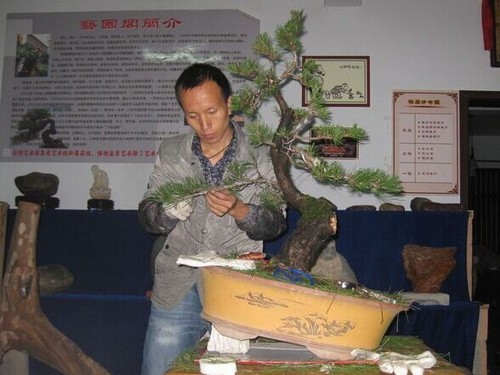
A Detailed Guide to the Pruning and Styling Methods for Black Pine Bonsai
The pruning and styling of black pine bonsai is mainly achieved through pruning and wiring; methods such as grafting and forcing buds on young shoots can only serve as auxiliary techniques. The black pine to be styled must have already been cultivated for 1-2 years: the best time for styling is from December to February of the following year.
-
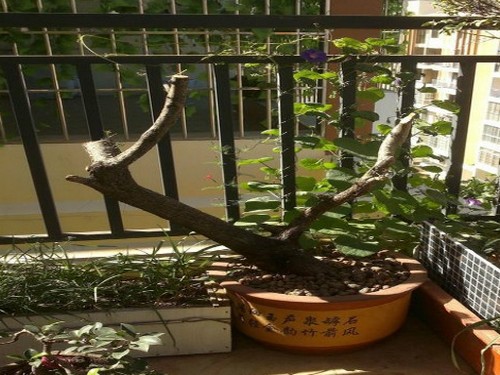
Seed Propagation Methods and Technical Key Points for Black Locust
Black locust is a tree species with relatively strong vitality and reproductive capacity. It can not only be used for landscaping and ornamental purposes and for purifying urban air, but can also be used for afforestation to protect the ecological environment. It is a tree species with relatively high cultivation value. Although black locust has a certain drought resistance, it is not tolerant of waterlogging
-
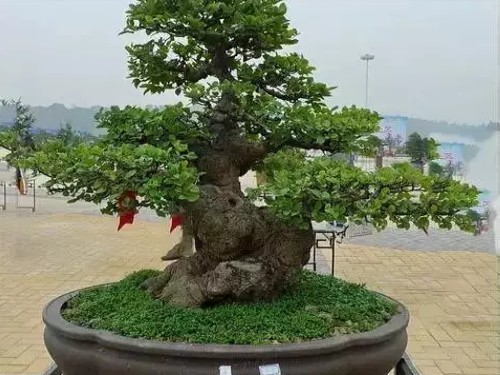
How to Water a Black Bone Tea Bonsai? A Full Guide to Practical Tips
I recently bought a few mature black bone tea (Dracaena cambodiana) stumps from Guangdong. According to the seller, I should water them every day, pouring water over the leaves and branches as well. At the time I did not think much about it, so I watered them every single day, and when I saw the leaves and trunks were dry I also misted them. The potting soil was acidic loess mixed with 3 parts sand, with some nutrient soil blended in. A week later, the leaves on two of them had lost their vigor.
-
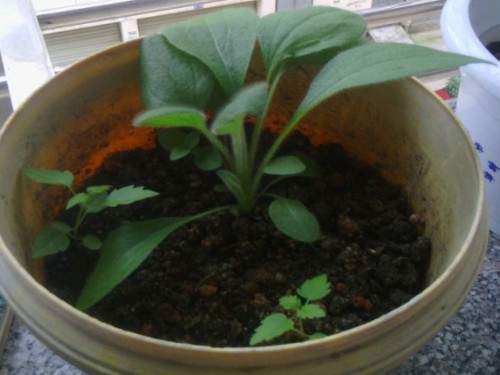
How to Propagate Black-Eyed Susan
Black-eyed Susan can be propagated by seed, cuttings, and division. So how is black-eyed Susan propagated in each of these ways? 1. Growing black-eyed Susan from seed: Black-eyed Susan is usually sown in spring and autumn. Sowing in March of spring means it can bloom in June and July.
-
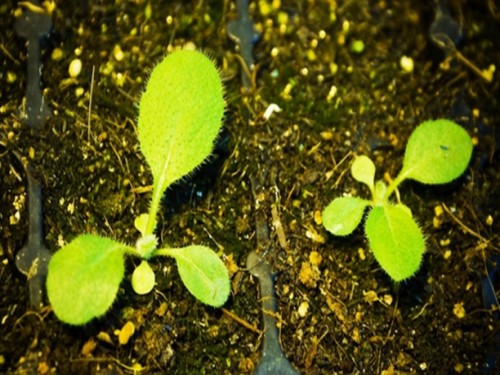
Complete Guide to Sowing Black-eyed Susan Seeds
Black-eyed Susan is a perennial herb of the genus Rudbeckia in the Asteraceae family. The plant height is 60-100 cm, and the flowering period is from June to October. The ray florets are yellow, sometimes with brownish-yellow bands, and the disc florets are dark brown. The stems are relatively stout, covered with soft hairs, slightly branched, and winged. The alternate leaves are rough, oblong to narrowly lanceolate.
-
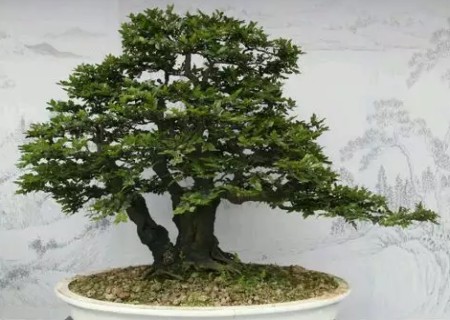
How to prune a black bone tea bonsai? A full analysis of methods and techniques
Because of its high ornamental value and ease of care, black bone tea has won the affection of more and more bonsai enthusiasts in recent years, but since artificial cultivation is relatively limited and wild stump resources are also very scarce, the price has remained persistently high, and the occasional wild stump with a good shape and a long tree age that appears on the market is quickly snapped up
-
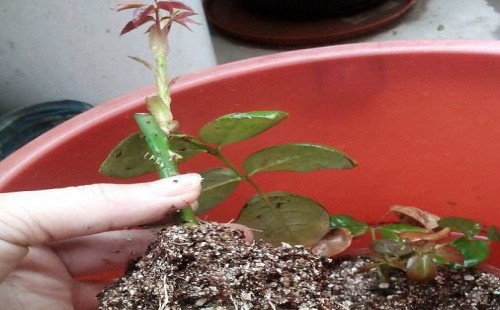
What causes rose cuttings to turn black after propagation?
For home gardeners, potted rose seedlings are generally obtained through cuttings, and the method is relatively simple: you can root them in soil or in water. As long as the cutting method is sound and the care is reasonable, both methods are very easy to succeed with. However
条件筛选