-
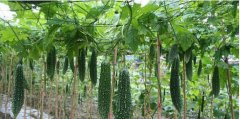
Characteristics and Nutritional Value of the New Bitter Melon Variety Cuifei Black Bitter Melon
Do you know that bitter melon comes in white and green varieties? But did you know there is also a black bitter melon? The black bitter melon has high yields. This black bitter melon is dark green in color, longer in shape than green bitter melon, with thicker flesh, prominent and glossy wart-like protrusions, and excellent luster. Its greatest
-
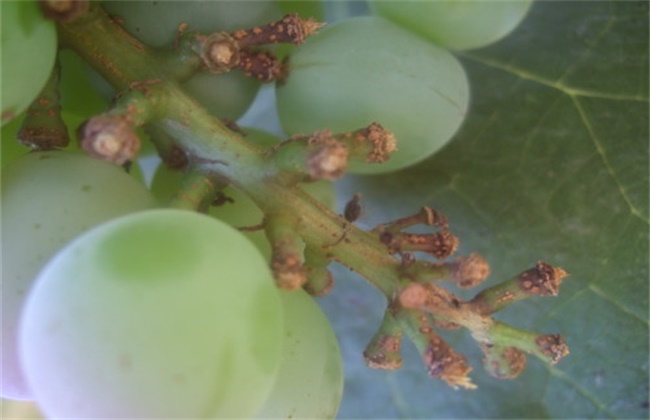
What causes severe berry drop in Summer Black grapes?
Reasons for severe berry drop in Summer Black grapes
-

Broccoli Black Rot Control Methods and High-Yield Cultivation Techniques for Edible Fungi
Control of Broccoli Black Rot
-
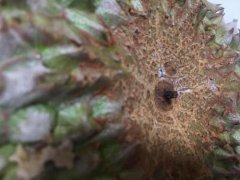
Black Thorn Durian Variety Introduction: What Are Its Characteristics and How Does the Flesh Taste?
I slept poorly last night, and on a whim I went online and saw that "Jintao Fruit Stand," which I had long wanted to patronize, had actually received a batch of the "Black Thorn Durian" from "Malaysia," a durian variety hailed as the rarest~~ This "Black Thorn Durian" has demanding growing conditions, and in all of "Malaysia"
-
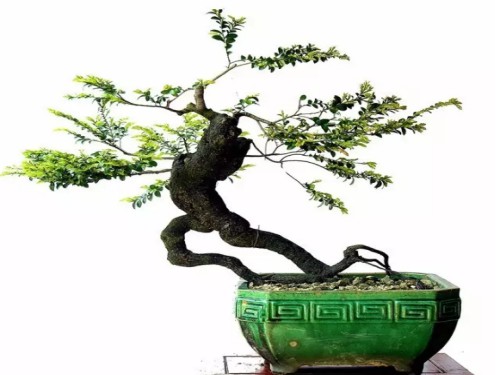
What are the care methods for a black bone tea bonsai?
Black bone tea is mainly a bonsai tree species grown for its foliage. The leaves of a black bone tea bonsai are relatively small and deep green, its bark and roots are black, and its wood is very hard, yet its growth rate is very slow. Large, fully formed tree-style works have only been seen in bonsai magazines from Taiwan, China.
-
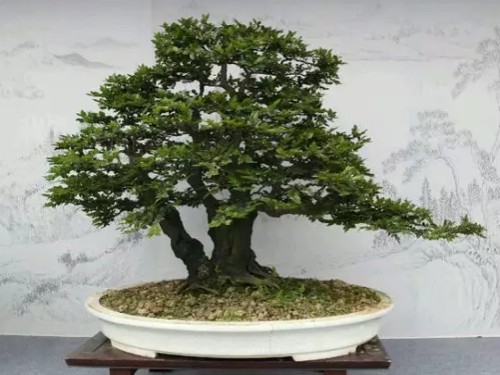
How to care for a Black Bone Tea bonsai? Master these key methods
Black Bone Tea, also called black ebony, is a tree species unique to the area around Taishan in Jiangmen and Yangjiang, Guangdong. It is a bonsai species newly discovered in the past decade or so. Because its growing range is relatively small, it grows slowly, is easy to care for, and can be artificially cultivated. As rare things are precious, it has attracted people's attention
-
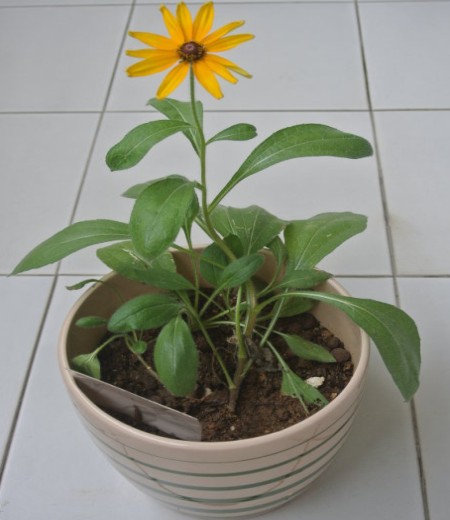
How to Grow Black-Eyed Susan
Black-eyed Susan, full name: black-eyed Susan (Rudbeckia hirta L.), Asteraceae, genus Rudbeckia, annual or biennial herbaceous plant. The flower center is raised and purple-brown, while the ray florets around it are golden yellow. The flowering period runs from early summer to frost. Cultivated varieties have ray flowers in tung-brown and chestnut-brown, with double-flowered and semi-double-flowered types.
-
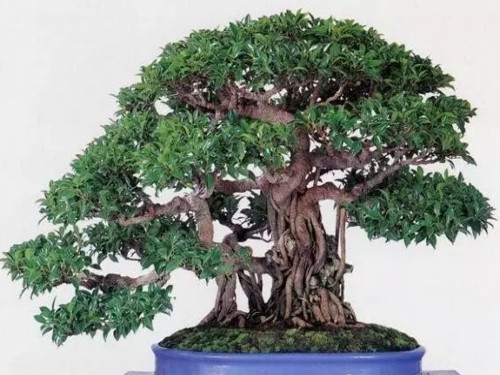
Causes and Solutions for Blackening Leaves on Ficus Bonsai
Ficus trees can effectively remove formaldehyde, toluene, xylene, benzene, nitrogen oxides and ozone from volatile organic compounds. They have a strong ability to adsorb dust and can effectively increase indoor air humidity. This species has a broad crown and dense branches and leaves. Young trees are often potted indoors for ornamental purposes, while old stumps are made into bonsai. The leaves and aerial roots can be used as medicine.
-
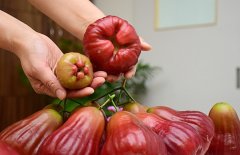
Notes on Cultivation and Management of Taiwan Taisugar No. 3 Black Sugar Barbie Wax Apple Seedlings
Wax apple is a very distinctive tropical fruit of Taiwan, China, loved by people overseas. The Agricultural Research Institute of the Council of Agriculture, Executive Yuan, recently made important progress in wax apple variety improvement research, breeding a new wax apple variety, Tainung No. 3, with the trade name "Black Sugar Barbie
-
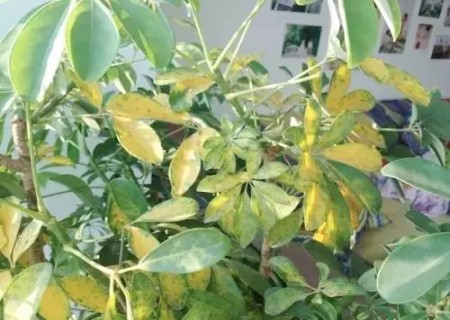
Causes and Solutions for Yellowing, Blackening and Dropping Leaves of Schefflera
Schefflera, also known as umbrella tree, is a common foliage plant. Whether as a household green plant or an outdoor green plant, Schefflera is the best choice for green plant care. Schefflera leaves can not only absorb nicotine released by tobacco, but can also be used to absorb formaldehyde after a house renovation. It is an excellent plant for purifying indoor air.
条件筛选