-

A Detailed Explanation of the Causes and Control Methods of Cotton Seedling Stunting
As the cotton planting area grows larger and larger, the accompanying problems are also increasing, and cotton seedling stunting is one of them. It severely affects cotton yield and quality, bringing huge economic losses to growers. So what are the causes and
-

Symptoms and control of three common banana diseases: small black spot disease, fine streak disease and bunchy top-like stunting disease
An introduction to the symptoms and control methods of common banana diseases: small black spot disease, fine streak disease and stunting disease. Let's take a look! Small black spot disease Pathogen: the optimum temperature for mycelial growth is 25°C, the optimum temperature range for spore formation is 13-29°C, and the optimum temperature range for spore germination is 13-33°C.
-
Methods for preventing and controlling rice seedling stunting and key technical points
The main causes of rice seedling stunting are three types: phosphorus deficiency stunting, zinc deficiency stunting, and saline-alkali damage stunting. The main prevention and control methods are: 1. Phosphorus deficiency stunting generally occurs during the tillering stage after seedling recovery, manifesting as slow growth, short plants, slender and upright leaves, dark green leaf color, neat leaf cluster tips, significantly shortened leaf sheath distance, partial tillering, red leaf tips, and old leaves turning brownish-red or even dying. The main causes are (1) soil lacking available phosphorus; (2) low soil temperature, low water temperature, or soil containing hydrogen sulfide, ferrous iron
-
How to prevent and control cotton seedling stunting? These methods are worth trying
After cotton is transplanted, it is right in the plum rain season, with low temperatures, many rainy days, and little sunlight, which causes the cotton seedlings to turn green slowly, delays flower bud differentiation, and forms the "stunted seedling" phenomenon. The main types of stunted seedlings are: first, waterlogging-induced stunted seedlings. Commonly seen in low-lying cotton field sections, prolonged overcast and rainy weather causes waterlogging-induced stunted seedlings, leading to blackened roots, grayish-green leaves, and slow growth. Second, drought-induced stunted seedlings. Mainly due to drought, the leaves turn yellow and dry red, there are few new roots, growth is extremely slow, and the proportion of red stems is large. Third, fertilizer-induced stunted seedlings. The main reason is that the base fertilizer is applied too shallowly
-

What to Do About Rape Seedling Stunting? A Detailed Guide to Targeted Prevention and Control
After transplanting and seedling recovery, rape (Brassica napus) sometimes shows stunting in the early field growth stage, with symptoms such as reddened or yellowed leaves, curled leaf centers, slow or halted growth, and poor development. To prevent and control rape stunting, targeted measures must be taken based on investigating its causes. Stunting caused by drought or waterlogging - drought not only...
-

Too-hard potting soil stunting your flowers? Repotting can solve it
Once autumn arrives, the weather turns cool. At this time many gardening friends start "fiddling around." Those who want their plants to grow more lushly take cuttings, those who want their plants to become one-of-a-kind and unusual graft them...
-
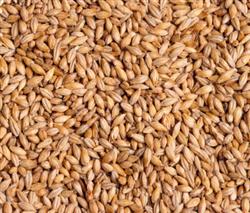
How should rice seedling stunting be prevented and controlled?
How can the quality of rice seeds be identified? Please guide. To identify the quality of rice seeds, you can refer to the following methods: Check the uniformity. Seeds mixed with other rice grains have irregular grain shapes and different degrees of grain plumpness. Check the glume color. The grain color of good seeds should be relatively consistent and the color relatively fresh...
-
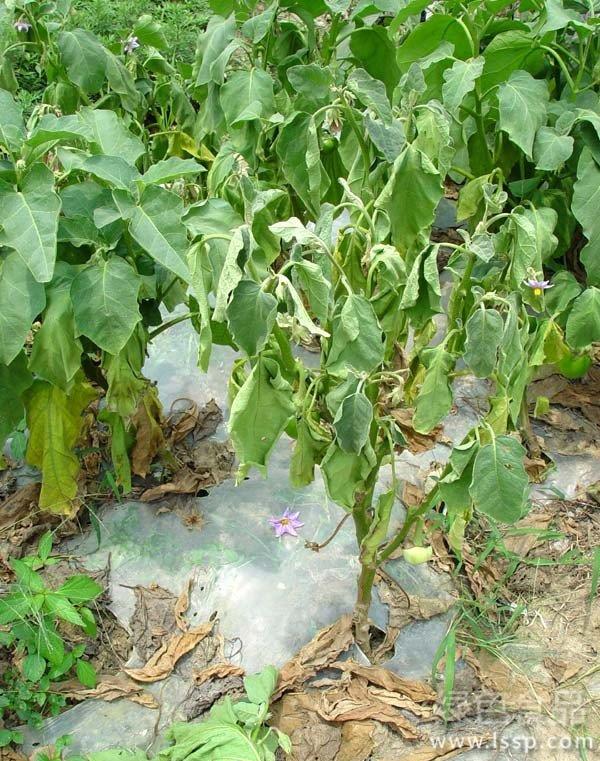
Eggplant Bacterial Wilt Causes Plant Stunting: How to Prevent and Control It
How to Prevent and Control Bacterial Wilt That Causes Eggplant Plants to Become Stunted: Eggplant Bacterial Wilt
-
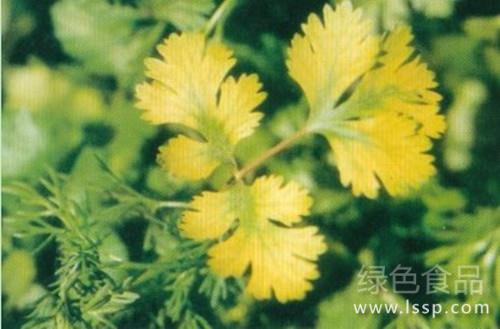
Control Methods for Cilantro Mosaic Virus Causing Yellow Leaves, Stunting and Death
Control Methods for Cilantro Mosaic Virus: Yellow Leaves, Stunted Plants and Eventual Death
-
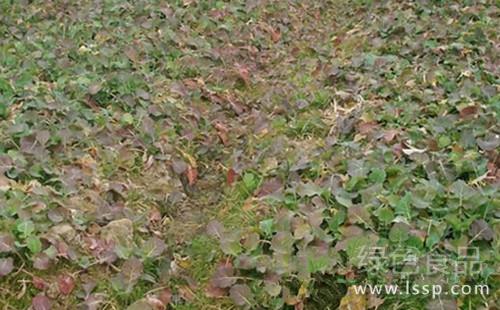
Causes of Red Leaves Stunting Rapeseed Growth and Targeted Control Methods
How to Apply Targeted Control to Rapeseed with Red Leaves Causing Stunted Growth
条件筛选