-
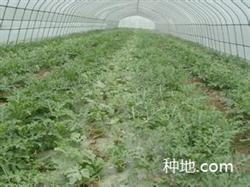
How should herbicides be used in a watermelon field?
How should herbicides be used in a watermelon field? Seeking guidance. Watermelon is one of the important cash crops in our county. To meet the needs of different periods, watermelons are grown in many different ways: direct seeding, transplanting, open-field cultivation, plastic film mulching, single-layer small arch shelters, double-layer small arch shelters, medium tunnels, and large greenhouses. Whether in open fields...
-
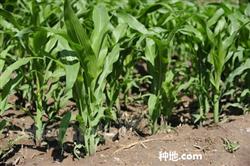
Which herbicides work well in corn fields?
Which herbicide is best for corn? And how should it be applied? Summers are rainy, and weeds are widespread in corn fields. The main weeds include crabgrass, barnyardgrass, green foxtail, goosegrass, redroot pigweed, purslane, copperleaf, and purple nutsedge. Corn is most severely harmed by weeds at the seedling stage, so chemical weed control should...
-

How to choose herbicides for banana plantations? Master these key methods
How to choose herbicides for banana plantations? Bananas generally grow in tropical and subtropical regions with good light and temperature conditions, and the planted area in Guangdong is relatively large. To improve production efficiency, most banana plantations in our province use chemical weed control technology. Banana growers should pay attention to the following points when choosing herbicides: 1. Banana roots are relatively shallow...
-
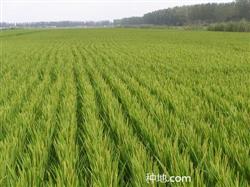
How to remedy herbicide damage in rice?
What should you do if herbicide application to rice causes phytotoxicity? To increase the weed-killing effect and broaden the herbicidal spectrum, most compound herbicides contain bensulfuron-methyl, pyrazosulfuron-ethyl, acetochlor and the like. If farmers do not know how to use them, phytotoxicity is easily caused. 1. Judging phytotoxicity. Rice may show symptoms similar to herbicide phytotoxicity because of root suffocation, nutrient deficiency, or pests and diseases...
-
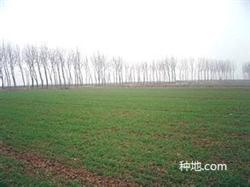
What are the precautions for using herbicides in wheat fields?
What should be noted when using herbicides in wheat fields? How should it be done? Applying herbicides to wheat requires the following strict practices: Strictly select herbicide varieties. There are many types of herbicides, and each herbicide has a certain spectrum of weed control. Some herbicides have a very narrow weed control spectrum, such as barban, which can only control wild oats; MCPA controls shepherd's purse, purslane, and wild oats very well, but its effect on cleavers is very poor; 2,4-D is effective against broadleaf weeds such as amaranth, but ineffective against grass weeds. Farmers should choose the right herbicide according to the most common weed species in the wheat field in order to achieve the desired effect. To control broadleaf weeds, herbicides such as chucaojing, dicaojing, tribenuron-methyl, and baijia mixture can be selected for good control results; however, metsulfuron-methyl, chlorsulfuron, and maicaoer can only be used early in wheat fields under a rice-wheat rotation system. If crops such as cotton, corn, peanuts, or beans are planted after rice, serious phytotoxicity will occur, leading to frequent incidents of almost total crop failure.
-
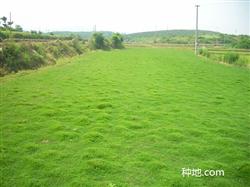
Why does spraying herbicides cause phytotoxicity?
Which types of herbicides should not be used on lawns? Seeking advice: try not to use the following lawn herbicides: 1. Herbicides with a long residual life, including imidazolinone herbicides such as imazethapyr, sulfonylurea herbicides such as metsulfuron-methyl, tribenuron-methyl, tribenuron-methyl, etc., and heterocyclic herbicides such as clomazone, etc. These types of herbicides have a relatively long residual life in the soil, and once used...
-
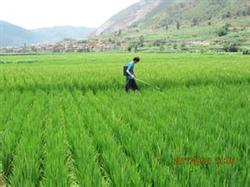
What is the best time to spray insecticide on rice?
When is the best time to spray insecticide on rice? The following points should be noted when spraying insecticide on rice: Do not spray insecticide on rainy days; this is basic common sense that farmers understand, but many farmers often spray at noon on sunny days, which is highly inadvisable and harmful, because: 1. At noon, light...
-

What are the common insecticides used on bananas? A reference for growers on pesticide use
What insecticides are commonly used on bananas? Here is an introduction so you can stock up. The insecticides commonly used on bananas include the following varieties (additions welcome): (1) High-efficiency Dagongchen 5% High-efficiency Dagongchen wettable powder is a new type of highly effective, low-toxicity, strongly systemic insecticide, with a significant control effect on piercing-sucking mouthpart pests such as aphids and thrips...
-
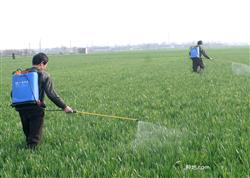
What are some practical ways to improve the effectiveness of insecticides?
It is once again the season when pests are rampant. What should be noted when spraying insecticides? When using pesticides to control crop pests, to achieve the best insecticidal effect, in addition to selecting the right targeted pesticide and applying it at the appropriate time, special attention should also be paid to the following two easily overlooked issues. First, it depends on the climate characteristics and the pest's day-night activity...
-
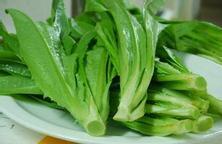
Paraquat Herbicide Introduction: A Comprehensive Guide in One Article
A farmer called: When selling vegetables grown nowadays, they are often asked whether there are pesticide residues. What are the consequences of pesticide residues? Answer: Pesticide residues are the portion of pesticides that remain directly or indirectly in grains, vegetables, fruits, livestock products, aquatic products, and... after pesticides are applied in agricultural production.
条件筛选