Why does spraying herbicides cause phytotoxicity?
Which types of herbicides should not be used on lawns? Seeking advice: try not to use the following lawn herbicides: 1. Herbicides with a long residual life, including imidazolinone herbicides such as imazethapyr, sulfonylurea herbicides such as metsulfuron-methyl, tribenuron-methyl, tribenuron-methyl, etc., and heterocyclic herbicides such as clomazone, etc. These types of herbicides have a relatively long residual life in the soil, and once used...
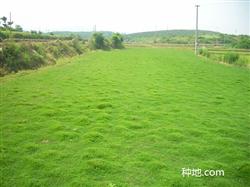 Why does spraying herbicides cause phytotoxicity? What are the reasons?
Field surveys of the three major crops soybean, corn, and rice found that some plots suffered from herbicide phytotoxicity. Regarding this, chemical weed control experts believe that the main reasons for herbicide phytotoxicity are late application, large dosage, and drift, including herbicide droplets drifting onto nearby crops and volatilizing into the air and falling onto crops with rainfall, causing phytotoxicity, soil residues, and the side effects of the foliar-applied herbicides themselves. They also emphasized that herbicides must be used scientifically and that the impact of herbicides on crop rotation and successive cropping must be fully considered.
He also pointed out that the causes of phytotoxicity caused by herbicides are: the herbicide layer in the surface soil splashing onto crops with rainwater and causing phytotoxicity; irrigation water and surface water being contaminated; soil residues; unscientific use of quinclorac in paddy fields; the side effects of the herbicides themselves; the influence of environmental conditions; improper application methods and dosage; misleading and mistaken use; product quality problems; and large differences in herbicide resistance among crop varieties.
Click to see more herbicide application techniques
Click to see more pesticide application techniques