-
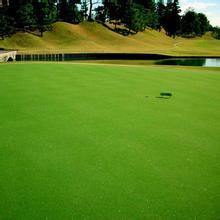
How can herbicide damage to golf turf be prevented?
The selectivity of herbicides is relative and conditional; if applied improperly, any herbicide can potentially harm turf. I. Symptoms and causes of herbicide damage. Herbicide damage is divided into acute damage and chronic damage. Acute damage is caused by contact herbicides, appears quickly, and the affected turf blades show brown...
-
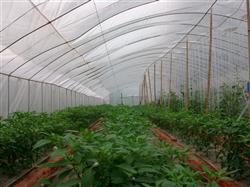
What herbicide is good for growing vegetables under insulation?
In seasons with lower temperatures, to bring vegetables to market earlier and sell them at a good price, in recent years the method of covering with plastic film has often been used to increase temperature and retain heat to promote early maturity and higher yields of vegetables, while also applying chemicals for weed control, which saves labor and increases efficiency. However, years of experience and lessons with chemical weed control under film tell us that if the selected...
-
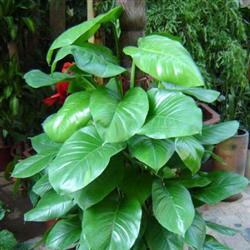
Simple Methods for Making Flower Insecticides
When flowers are attacked by pests, some simple homemade insecticides are effective at sterilizing and killing insects. 1. Laundry detergent solution: take 2 g of laundry detergent, add 500 g of water and stir into a solution, add 1 drop of oil, and spray it on the insects on the plants; it can kill aphids, scale insects, red spider mites, green slug moths, white butterflies, whiteflies, etc. 2. Soap solution: take soap and hot...
-
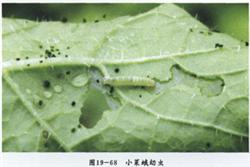
What is effective for controlling diamondback moth? Bacterial insecticides work well
The diamondback moth appears year-round, and bacterial insecticides can be cleverly used to control it effectively. Against diamondback moth and other lepidopteran pests, bacterial insecticides give good control. There are many varieties of bacterial insecticides, and in China the top recommendation is high-efficiency Bt, namely Bacillus thuringiensis. The commonly used dosage is 8000 international units/ml per mu,...
-
What is the difference between public health insecticides and general pesticides?
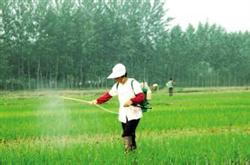
First, based on the climate characteristics and the pests' day-and-night activity patterns, choose a favorable time period for application. The best times to apply are from 9 to 10 a.m. and after 4 p.m. This is because from 9 to 10 a.m., the dew on the crop leaves has dried, and it is also the time when day-active pests are most active. Applying at this time will not, because of the dew...
-
Application of Pesticide Synergists in Insecticides
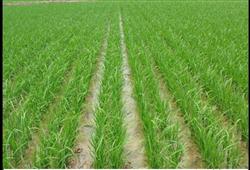
Recently, the Rice Insecticide Application Technology and Market Promotion Exchange Meeting was held in Changsha. At the meeting, experts from the National Agricultural Technology Extension Center and several other institutions analyzed the market changes in rice insecticides in recent years from different perspectives. They also predicted that due to changes in major rice pests and the rapid development of pest resistance, the...
-
What are the methods for making plant-based insecticides?
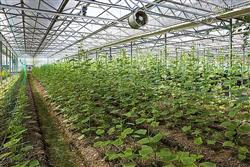
Do not use inferior pesticides. To ensure the quality of the pesticides used, purchase them from legitimate manufacturers and pesticide sales outlets to avoid buying counterfeit or substandard pesticides, and pay attention to the production date and expiration period of the pesticides. Do not use bacterial insecticides at low temperatures; their active ingredients are protein crystals and living spores...
-
How to choose insecticides specifically for cucurbit crops?
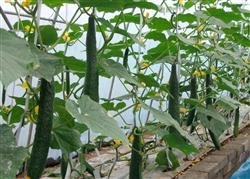
During the growth of cucurbit crops, for the pests commonly encountered, there are some specialized insecticides, that is, low-toxicity pesticides that will not cause serious residue problems for cucurbits, introduced as follows. 1. Menazon. Also known as mieyaling. A highly effective, low-toxicity organophosphorus insecticide with contact and systemic action. In the early stage of melon aphid...
-
How can long-residual herbicides be used safely?
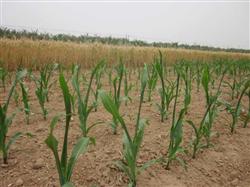
The main weeds in corn fields include: crabgrass, green foxtail, yellow foxtail, Chloris virgata, lovegrass, goosegrass, barnyardgrass, lambsquarters, Chenopodium serotinum, Chenopodium glaucum, Chenopodium aristatum, kochia, Russian thistle, amaranth, spiny amaranth, redroot pigweed, Amaranthus paniculatus, edible amaranth, Amaranthus hypochondriacus, green amaranth, Amaranthus roxburghianus, Celosia argentea, purslane, Acalypha australis, velvetleaf, wild...
-
The key to cultivating spice crops lies in the skillful use of herbicides
What are herbicides? How many categories are there? Chemical pesticides used to control various weeds in fields are called herbicides. Herbicides can be classified by mode of action, translocation within the plant, method of use, and chemical structure system. (1) Classification by chemical structure system: they can be divided into inorganic herbicides, mineral oil herbicides, ...
条件筛选